
Personal Budgeting from the Ground Up
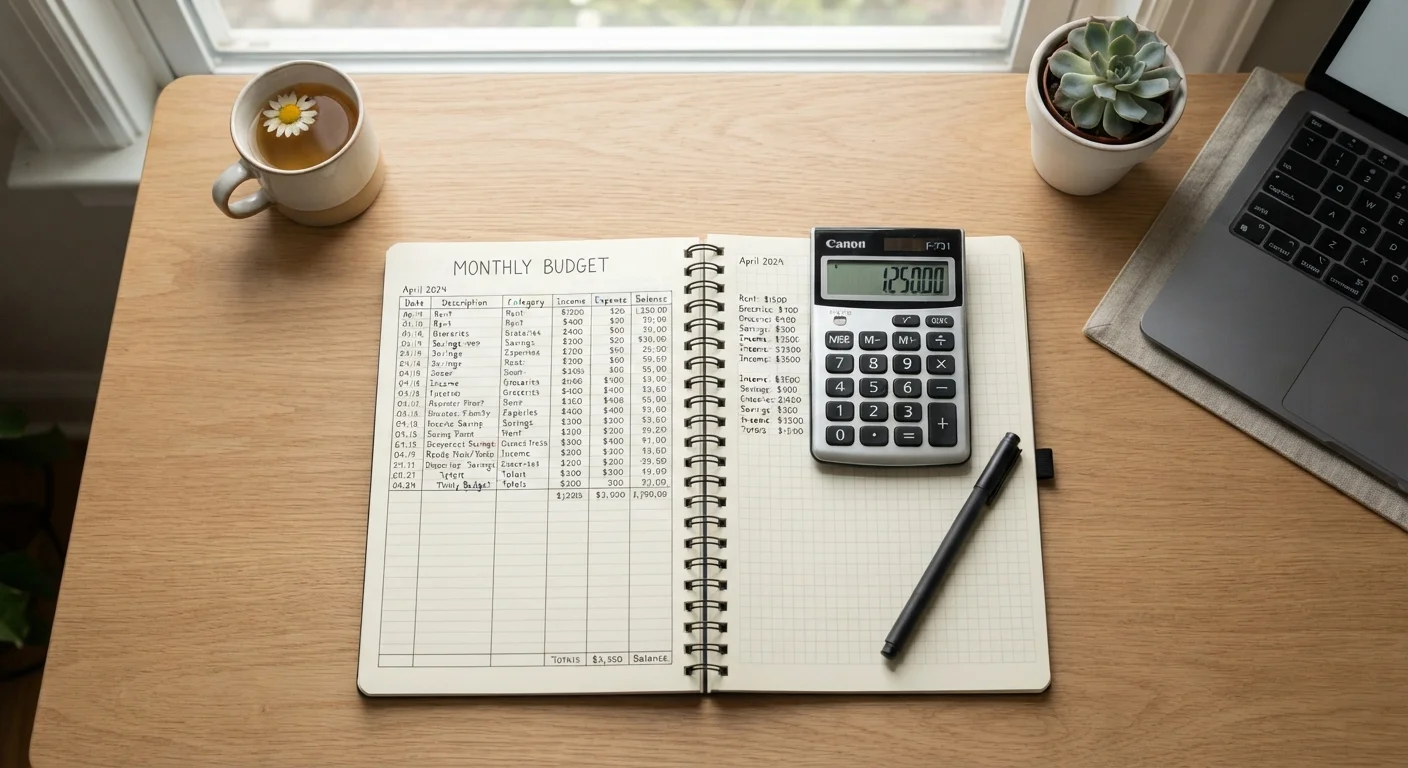
Photo credit: SkripTee.com | Search. Explore. Learn.
In this article
New to budgeting? This comprehensive introduction covers every foundational concept you need to take control of your household finances.
Key Takeaways
- A budget is simply a plan for how you'll spend and save your income each month.
- Tracking your spending before you budget reveals patterns you can't fix if you can't see them.
- Budgets work best when they reflect your real life, not an idealized version of it.
- Multiple budgeting methods exist - the right one is whichever you'll actually maintain.
- Small, consistent check-ins beat monthly overhauls for keeping a budget on track.
Why Budgeting Matters
A personal budget is not a punishment. It is a written plan that tells your money where to go before the month begins, rather than wondering afterward where it went. Without one, spending tends to drift toward whatever is most urgent or most appealing in the moment - which rarely matches your actual priorities.
Research from the Consumer Financial Protection Bureau consistently links financial stress to a lack of clarity about cash flow, not solely to low income. Knowing your numbers - what comes in, what must go out, what you choose to spend - reduces that uncertainty. It also gives you a factual basis for decisions about saving, borrowing, and setting financial goals.
Track Before You Budget
If you have never tracked your spending, spend one month recording every transaction before you build your first formal budget. Most people discover they are spending significantly more in one or two categories than they estimated. Accurate data leads to a budget that actually fits your life.
Core Concepts You Need First
Before you build a budget, a few key terms need to be clear. Misunderstanding these is one of the most common reasons first budgets fail.
Net income
The money you actually receive after taxes and deductions are taken out. This is the number your budget must be built around - not your gross salary.
Fixed expense
A cost that stays the same every month, such as rent, a car loan payment, or a fixed insurance premium. These are the easiest to plan for.
Variable expense
A cost that changes month to month, like groceries, utilities, or dining out. Averaging several months of past spending gives a reliable planning figure.
Discretionary spending
Money spent on wants rather than needs - entertainment, hobbies, subscriptions, or eating out. This is typically the most flexible part of a budget.
Sinking fund
A savings category you contribute to gradually so you're ready when a predictable but irregular expense arrives, such as an annual car registration or a vacation.
Cash flow
The movement of money into and out of your household over a period of time. Positive cash flow means more comes in than goes out.
For a more complete plain-language glossary, the key budgeting terms reference covers the vocabulary that appears most often in financial guides.
The Basic Structure of Any Budget
Every functional budget - regardless of the method you use - has three components:
- Income: All money arriving in your household each month, after taxes. Include wages, freelance earnings, side income, and benefits. Use the lowest realistic figure, not a best-case estimate.
- Expenses: Everything you spend, divided into fixed (rent, loan payments) and variable (groceries, gas, subscriptions). Pull three months of bank and card statements to find your true averages.
- The gap: Income minus expenses. A positive gap is available for saving or debt repayment. A negative gap means expenses exceed income and something must change.
The goal of the first draft is not perfection - it is accuracy. A budget built on real numbers, even uncomfortable ones, is far more useful than one built on optimistic guesses.
Your First Budget Will Be Imperfect
That is completely normal. Category amounts will be off, and unexpected expenses will appear. Treat the first two months as a calibration period rather than a test you can pass or fail. Each revision makes the plan more accurate and more useful.
Once you have these components mapped, the step-by-step monthly budget guide walks through translating them into a working plan.
Choosing a Budgeting Approach
There is no single correct budgeting method. The three most common approaches each suit different personalities and financial situations:
- Envelope (cash allocation): Assign a fixed cash amount to each spending category. When the envelope is empty, spending in that category stops for the month. Works well for people who overspend on variable categories.
- Percentage-based (e.g., 50/30/20): Allocates percentages of take-home pay to needs, wants, and savings or debt. Flexible and easy to scale with income changes, though the standard percentages may not fit every household's cost of living.
- Pay-yourself-first: Automatically transfer savings and investment contributions the moment income arrives, then budget the remainder. Prioritizes building wealth but requires discipline in the spending portion.
For a detailed comparison of how each works and who each tends to suit, see budgeting methods explained. You can also adapt any of these methods to a specific purpose, such as planning a travel budget.
Building the Habit: Making It Stick
A budget you build once and never look at again is not a budget - it is a document. The habit of returning to it regularly is what makes the difference.
Three practical approaches help maintain consistency:
- Schedule a weekly money check-in. Five to ten minutes reviewing recent transactions against your categories catches small overruns before they compound.
- Automate what you can. Automatic transfers for savings, retirement contributions, and fixed bills remove the need for willpower at each pay cycle.
- Adjust without guilt. If a category is consistently wrong, change the number. A budget that reflects reality is more valuable than one that reflects an aspiration you never reach.
Many people abandon budgeting because of misconceptions - that it means deprivation, or that missing one week means failure. Common budgeting myths explores and corrects the most persistent of these.
Beware of Budget Apps That Request Full Account Access
Some budgeting tools request read-only access to your bank accounts to import transactions automatically. Before connecting any account, review the app's privacy policy and understand how your data is stored and shared. When in doubt, manual entry is a perfectly valid alternative.
This article is for general informational and educational purposes only. It is not personalized financial advice. For guidance specific to your financial situation, consult a qualified financial professional.
Frequently Asked Questions

Author
Finance Editorial Team
Finance Editorial Team is the collective byline for our editorial team and contributor network. Articles published under this byline or an editorial pen name are researched, written, and reviewed according to our editorial standards for clarity, consistency, and independence before publication.
View all articles →