
Car Maintenance for New Drivers: Building the Right Habits Early
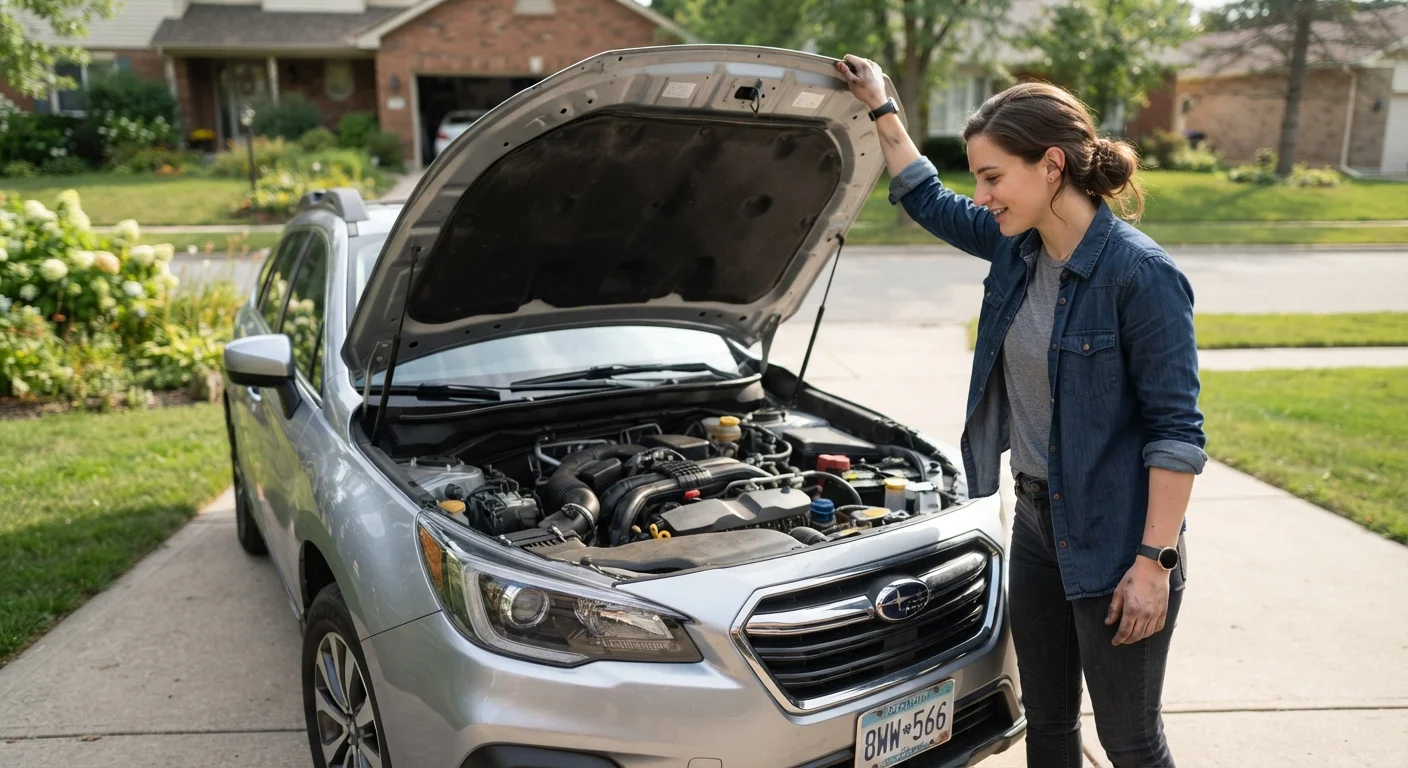
Photo credit: SkripTee.com | Search. Explore. Learn.
In this article
If you're new to owning a vehicle, this practical introduction covers the essential checks, schedules, and habits that prevent avoidable breakdowns.
Key Takeaways
- Regular fluid and tire checks are the single most impactful maintenance habit for new drivers.
- Your owner's manual is the authoritative source for your vehicle's specific service intervals.
- Many basic checks require no tools and take under five minutes to complete.
- Keeping a maintenance log helps you track service history and spot recurring issues early.
- Some repairs require professional tools and expertise - knowing the boundary protects you and your car.
Why Maintenance Habits Matter From Day One
Most mechanical failures aren't sudden - they're the result of small, overlooked issues that compound over time. For new drivers, this is both a warning and an opportunity: the habits you build now will determine how reliable, safe, and affordable your vehicle is to own for years to come.
A car is a complex machine, but keeping it in good condition doesn't require an engineering degree. It requires consistency. Knowing which checks to do, when to do them, and when to hand the job to a professional is the foundation of responsible ownership. Skipping maintenance rarely saves money in the long run - everyday habits that seem harmless can quietly accelerate wear and trigger expensive repairs.
Dipstick
A long metal rod inserted into the engine oil reservoir. You pull it out to check how much oil is in the engine and assess its condition by looking at the color and level.
Tire pressure (PSI)
PSI stands for pounds per square inch - the unit used to measure the air pressure inside a tire. The correct PSI for your car is set by the manufacturer, not the tire brand.
Service interval
The scheduled mileage or time period at which a specific maintenance task should be performed, as defined by the vehicle manufacturer.
Tread depth
The measurement of the grooves in a tire's surface. Deeper grooves channel water away and improve grip; worn tread reduces traction, especially on wet roads.
Coolant
A liquid that circulates through the engine to regulate its temperature. It prevents overheating in summer and freezing in winter.
OBD fault code
A diagnostic code stored by your car's onboard computer when it detects a problem. Mechanics use a scanner to read these codes and identify what triggered a warning light.
The Checks You Should Do Regularly
Routine checks fall into two categories: things you inspect every week or two, and things you verify monthly. Neither takes long.
Weekly or Every Few Fill-Ups
- Tire pressure: Under-inflated tires wear unevenly, reduce fuel efficiency, and increase blowout risk. Check pressure when the tires are cold (driven less than a mile). Your vehicle's recommended pressure is printed on a sticker inside the driver's door jamb - not on the tire sidewall.
- Lights: Walk around the car and confirm headlights, brake lights, and turn signals all work. A burned-out bulb is a traffic stop waiting to happen.
- Windshield and wipers: Smeared or streaked wipers impair visibility in rain. Replace blades when they no longer clear cleanly.
Monthly Checks
- Oil level: Pull the dipstick, wipe it clean, reinsert it fully, and read the level. Low oil is one of the fastest ways to damage an engine.
- Coolant: Check the overflow reservoir (not the radiator cap on a hot engine) to confirm the level sits between MIN and MAX markings.
- Brake fluid and power steering fluid: Most are visible through translucent reservoirs under the hood. Consult your owner's manual to locate each one.
- Tire tread depth: Use the penny test or a tread depth gauge. Worn tread dramatically increases stopping distance on wet roads.
For a structured pre-trip routine, see the pre-drive safety check every driver should know.
Make a Monthly Under-Hood Routine
Pick one day a month - the first Sunday, for example - and spend five minutes checking oil, coolant, and brake fluid levels. Doing it on a schedule means it actually happens. Consistent small checks catch problems early, before they become expensive.
Understanding Your Service Schedule
Every vehicle has a manufacturer-defined service schedule outlining when specific components should be inspected, serviced, or replaced. This schedule lives in your owner's manual - the single most underused resource in most gloveboxes. Learning to read your owner's manual before your first service appointment puts you in a much stronger position.
Common milestones on a typical schedule include:
- Oil and filter changes: Intervals vary widely by vehicle and oil type - many modern cars using full synthetic oil can go 7,500-10,000 miles between changes. Follow your manual, not outdated rules of thumb.
- Tire rotation: Typically every 5,000-7,500 miles to even out tread wear across all four tires.
- Air filters, spark plugs, and drive belts: These are often overlooked until they fail. Understanding what each component does helps you recognize why the intervals exist.
- Brake inspection: Typically checked at least once a year or when you notice reduced stopping power, squealing, or a soft pedal feel.
Mileage-based intervals assume average use. If you drive in severe conditions - frequent short trips, extreme temperatures, heavy traffic, or dusty environments - some services may be needed sooner.
Severe Driving Conditions Shorten Intervals
Manufacturer schedules are typically based on 'normal' driving conditions. If your daily commute involves frequent short trips under 5 miles, stop-and-go traffic, or temperature extremes, your vehicle may need servicing more frequently. Check your owner's manual's 'severe service' section for adjusted guidance.
Knowing When to Call a Professional
Some tasks are genuinely manageable at home. Others require specialized tools, safety equipment, or diagnostic technology that most people don't have access to. Misjudging the line can lead to injury or cause more damage than the original problem.
As a general guide, leave these to a qualified mechanic:
- Brake pad and rotor replacement (unless you have verified mechanical experience)
- Suspension and steering components
- Timing belt or timing chain service
- Any work involving the fuel system
- Diagnosing a check engine or airbag warning light
For a balanced breakdown of where that boundary sits, DIY vs. professional car maintenance covers the tradeoffs clearly. The goal isn't to avoid all DIY - it's to match the task to your skill level honestly.
Habits That Protect Your Investment Long-Term
Beyond the specific checks and intervals, a handful of broader habits separate drivers whose cars age well from those who face constant repair bills.
- Keep a maintenance log: Record every service - date, mileage, what was done, and what it cost. A documented service history supports warranty claims and adds value when you eventually sell.
- Don't ignore warning lights: Dashboard warning indicators are designed to alert you early, before a minor issue becomes a major repair. Treat them as information, not inconvenience.
- Address small issues promptly: A slow tire leak, a minor oil drip, or a slight vibration at highway speed are all worth investigating now rather than later.
- Adjust for seasons: Cold weather affects battery performance, tire pressure, and fluid viscosity. Seasonal maintenance adjustments are worth reviewing as temperatures shift.
Good maintenance isn't a chore - it's a practical investment in the vehicle you depend on every day. Start with the basics, build the habit, and the rest follows naturally.
Never Ignore a Brake Warning Light
A brake system warning light on your dashboard should never be dismissed as a sensor glitch without investigation. Reduced brake performance can develop quickly and significantly increases stopping distances. Stop driving and arrange an inspection if the light appears alongside a spongy pedal or unusual noise.
Frequently Asked Questions

Author
Autos Editorial Team
Autos Editorial Team is the collective byline for our editorial team and contributor network. Articles published under this byline or an editorial pen name are researched, written, and reviewed according to our editorial standards for clarity, consistency, and independence before publication.
View all articles →