
Habits That Quietly Shorten a Car's Lifespan
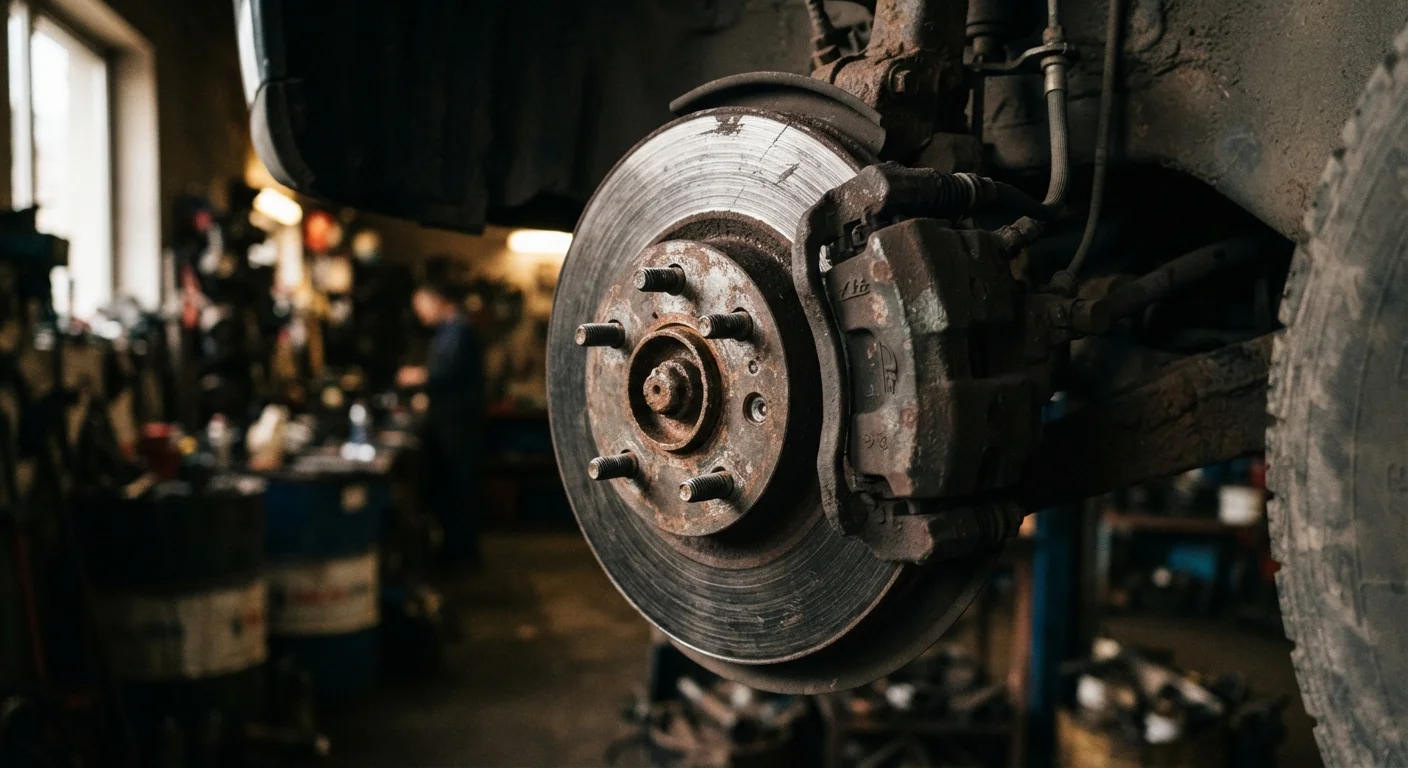
Photo credit: SkripTee.com | Search. Explore. Learn.
In this article
Riding the brakes, ignoring tyre pressure, skipping warm-ups in cold weather — everyday habits that quietly accelerate wear on your vehicle.
Key Takeaways
- Riding the brakes downhill generates heat that prematurely wears pads and rotors.
- Consistently low tyre pressure increases rolling resistance, tyre wear, and fuel consumption.
- Short trips in cold weather prevent the engine from reaching optimal operating temperature.
- Ignoring minor warning lights often turns small issues into expensive mechanical failures.
- Infrequent oil changes allow contaminants to accumulate and accelerate engine wear.
Why Everyday Habits Matter More Than Major Incidents
Most significant vehicle wear doesn't come from the occasional pothole or emergency stop - it accumulates through small, repeated habits that individually seem harmless. A car driven thoughtfully and maintained consistently will typically outlast an identical model subjected to careless routine use, regardless of which one gets serviced more expensively.
The habits covered here are common precisely because they're inconspicuous. They don't cause immediate breakdowns, produce obvious symptoms, or trigger urgent repair bills. They simply shorten the gap between routine service and costly failure. Understanding them is the first step toward driving in a way that protects your investment - and your safety.
If you're building your maintenance habits from scratch, our guide on car maintenance for new drivers provides a solid starting framework.
The Habits That Accelerate Wear
Each of the following errors is widely observed by mechanics and automotive engineers alike. They span braking, tyres, engine care, and general vehicle load - areas where the consequences of neglect tend to compound quietly over months and years.
Riding the brakes on long descents instead of engine braking.
Why it happens: Many drivers instinctively keep a foot resting on the brake pedal on hills, assuming it's the safest approach. Sustained light pressure generates heat that glazes brake pads and warps rotors over time.
Driving on chronically underinflated tyres.
Why it happens: Tyre pressure loss is gradual and imperceptible from the driver's seat until it becomes severe. Many drivers simply don't check pressure regularly, or don't know the correct specification for their vehicle.
Skipping or delaying oil changes beyond the manufacturer's recommended interval.
Why it happens: Oil looks clean long after it has degraded, so drivers often underestimate how quickly it loses its protective properties. Busy schedules make it easy to push service dates back repeatedly.
Taking many very short cold-weather trips without allowing the engine to fully warm up.
Why it happens: Short errands are unavoidable, but drivers rarely consider the cumulative effect. Engines running below optimal temperature burn fuel less efficiently and allow condensation to build up in the oil.
Ignoring dashboard warning lights for days or weeks.
Why it happens: Lights like the check engine or low coolant indicator don't always produce obvious symptoms immediately, so drivers assume the issue isn't urgent and delay investigation.
Overloading the vehicle beyond its rated payload capacity.
Why it happens: Drivers often underestimate how quickly cargo weight accumulates, particularly when hauling materials, luggage, or passengers routinely. The payload limit may not feel relevant until components begin wearing faster than expected.
Warning Lights Require Prompt Attention
A dashboard warning light is your vehicle's early alert system - ignoring one rarely makes the underlying problem disappear. Even a light that seems minor can signal a condition that, left unaddressed, leads to significantly costlier repairs or a safety risk on the road. Have any persistent warning light inspected by a qualified mechanic promptly.
It's also worth noting that some components are more sensitive to these habits than others. Brakes, tyres, and engine lubrication are the most directly affected, but suspension, cooling systems, and the battery are all indirectly influenced by how a car is driven day to day. For a closer look at one often-overlooked system, see how your car battery actually works and when it may be nearing the end.
Building Better Habits Without Overhauling Your Routine
The good news is that correcting these habits doesn't require extensive mechanical knowledge or additional expense - mostly it requires awareness and a modest shift in routine. Checking tyre pressure takes two minutes. Following your manual's oil interval is a matter of scheduling. Choosing to engine-brake on descents is simply a driving technique.
Don't Rely Solely on Dashboard Alerts
Modern vehicles alert drivers to many developing issues, but not all. Tyre pressure sensors, for example, typically only trigger a warning when pressure drops well below the safe threshold. Proactive physical checks - tyres, fluid levels, lights - remain important regardless of what the dashboard shows. Use your pre-drive checklist as a guide.
Before any long journey, running through a basic vehicle check can catch potential issues before they become roadside problems. Our pre-long-drive vehicle checklist covers the key areas worth inspecting. And if you're uncertain which items on your service schedule you may be missing, air filters, spark plugs, and belts are among the most commonly overlooked.
Consistent, modest attention to these habits is one of the most cost-effective forms of vehicle ownership - far cheaper than the repairs they prevent.
~25%
Fuel efficiency loss from underinflated tyres
The U.S. Department of Energy estimates that tyres underinflated by just 1 PSI per tyre can reduce fuel economy by roughly 0.2%, with larger deficits compounding across all four tyres.
80%
Of engine wear occurs at startup or cold running
Industry estimates suggest the majority of engine component wear happens during cold starts and the warm-up phase, underscoring why short-trip patterns and cold-weather driving habits matter.

Author
Autos Editorial Team
Autos Editorial Team is the collective byline for our editorial team and contributor network. Articles published under this byline or an editorial pen name are researched, written, and reviewed according to our editorial standards for clarity, consistency, and independence before publication.
View all articles →