
Seasonal Car Maintenance: What Changes Between Summer and Winter
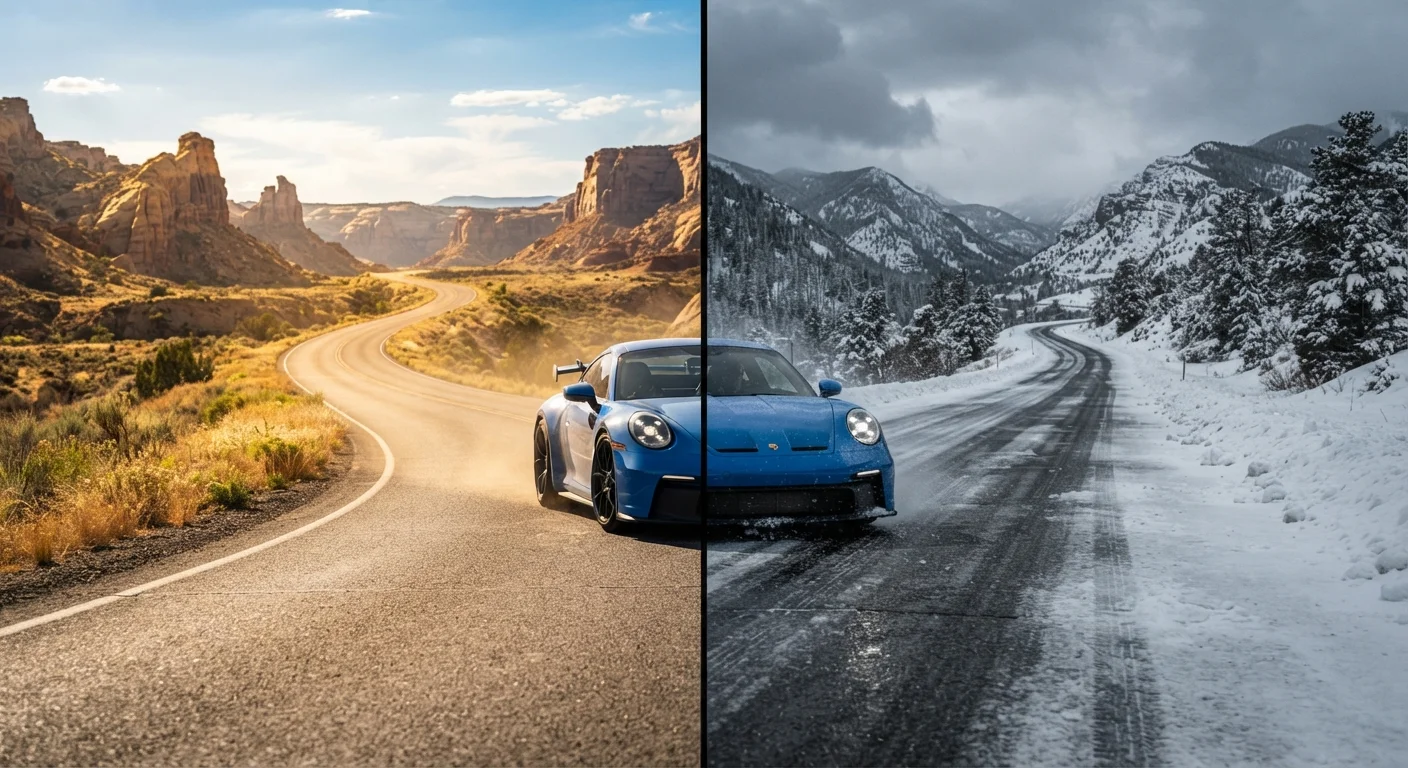
Photo credit: SkripTee.com | Search. Explore. Learn.
In this article
Temperature swings affect tyres, batteries, fluids, and more. Here's what to inspect and adjust as the seasons change to keep your car road-ready.
Key Takeaways
- Tyre pressure drops roughly 1 PSI for every 10°F decrease in temperature - check it each season.
- Car batteries are stressed by both extreme heat and cold, making seasonal inspection essential.
- Wiper blades, coolant mixture, and motor oil viscosity all need seasonal attention.
- Winter demands specific checks - such as antifreeze concentration and brake condition - that summer doesn't require in the same way.
- Proactive seasonal maintenance costs far less than reactive repairs after a breakdown.
Why Seasons Matter for Vehicle Health
Temperature is one of the most consistent stressors your car faces. The difference between a 95°F summer afternoon and a 15°F winter morning isn't just a wardrobe change - it's a dramatically different operating environment for rubber, metal, fluids, and electrical systems. Ignoring those shifts is one of the habits that quietly shorten a car's lifespan.
Seasonal maintenance isn't about doing more work - it's about doing the right work at the right time. The checklist that made sense in October looks different in April, and understanding why helps you prioritize intelligently rather than just following a generic schedule.
Tyres: Pressure, Tread, and Seasonal Swaps
Tyres are the clearest example of season-specific maintenance. Tyre pressure changes roughly 1 PSI for every 10°F shift in ambient temperature. That means a tyre properly inflated at 35 PSI in September could read closer to 30 PSI by December - well below safe operating range - without a single slow leak. Underinflation increases wear, reduces fuel efficiency, and compromises handling.
In winter, if you live in a region that regularly sees ice or packed snow, dedicated winter tyres offer meaningfully better traction than all-season tyres. Their rubber compound stays pliable in cold, and their tread patterns are designed to channel slush and grip frozen surfaces. For a deeper look at pressure, tread depth, and rotation schedules, see our complete tyre maintenance guide.
In summer, heat accelerates tyre wear - especially at highway speeds. Check tread depth and look for sidewall cracking or bulging, which heat exposure can worsen over time.
| Check | Summer Focus | Winter Focus | |
|---|---|---|---|
| Tyre Pressure | Check monthly; heat can over-inflate | Check often; cold reduces PSI quickly | |
| Tyre Type | All-season or summer tyres | Winter tyres recommended in cold regions | |
| Battery | Inspect for heat damage and capacity loss | Ensure sufficient cold cranking amps | |
| Coolant | Verify no overheating risk; check levels | Confirm antifreeze concentration is adequate | |
| Motor Oil | Confirm grade suits high temps | Confirm grade flows well in cold starts | |
| Wiper Fluid | Standard formula acceptable | Switch to freeze-resistant formula | |
| Wiper Blades | Replace if UV-degraded or streaking | Consider winter blades for ice resistance |
Battery: The Season It Matters Most
Most drivers know cold weather is hard on batteries - low temperatures reduce a battery's ability to deliver the cranking power needed to start an engine. What's less understood is that summer heat is actually the primary cause of battery degradation. High temperatures accelerate the internal chemical reactions that cause a battery to lose capacity over time.
The result: a battery weakened by summer heat often fails to start a car on the first cold morning of winter. Have your battery load-tested - a quick check most auto shops perform - before both the hottest and coldest periods of the year. Our article on how a car battery works and when it's near the end explains what to watch for in detail.
Time Your Battery Test Strategically
Schedule a battery load test in early fall - after the summer heat has done its damage but before cold weather arrives to expose the weakness. Many auto parts retailers offer this test at no charge. A battery showing reduced capacity in October is far cheaper to replace on your schedule than after a winter breakdown.
Fluids and Oils: Viscosity and Freeze Protection
Motor oil thickens in cold and thins in heat, both of which reduce its ability to lubricate engine components effectively. Many modern vehicles use oils specifically formulated for wide temperature ranges, but it's worth confirming your oil grade is appropriate for your climate - your owner's manual will specify.
Coolant (antifreeze) deserves attention twice a year. In summer, it prevents the engine from overheating; in winter, it keeps the coolant from freezing in the lines. The antifreeze-to-water ratio matters - a 50/50 mix is a common starting point, but colder climates may require a higher antifreeze concentration. An inexpensive test strip or refractometer can tell you where yours stands.
Windshield washer fluid is easy to overlook until it matters. Standard summer fluid can freeze solid in a winter storm, leaving you unable to clear road spray. Switch to a winter-rated formula before temperatures drop.
Don't Mix Coolant Types Without Checking
Different coolant formulations - such as OAT, HOAT, and traditional green coolant - are not always compatible with each other. Mixing incompatible types can cause gel-like deposits that block the cooling system. Always consult your owner's manual or a qualified mechanic before topping off or changing coolant.
Wipers, Lights, and Brakes: The Often Skipped Checks
Wiper blades degrade from UV exposure in summer and ice accumulation in winter. Replace them if they streak or skip - visibility is non-negotiable in rain or snow. Some drivers switch to dedicated winter wiper blades that resist ice buildup; others find standard blades sufficient with regular clearing.
Daylight hours shrink significantly in winter. Inspect all exterior lights - headlights, taillights, turn signals, and brake lights - and replace any dim or burned-out bulbs before the shorter days arrive. This matters for both visibility and legal compliance.
Brakes deserve a seasonal look too. Brake fluid absorbs moisture over time, which lowers its boiling point and can affect performance. Winter driving - particularly on hilly or icy roads - demands full braking reliability. If you're planning a long trip in either season, the pre-long-drive vehicle check is a structured way to cover these bases systematically.
For guidance specific to driving in cold conditions, understanding winter road hazards like black ice and packed snow will help you pair vehicle readiness with the right driving approach.

Author
Autos Editorial Team
Autos Editorial Team is the collective byline for our editorial team and contributor network. Articles published under this byline or an editorial pen name are researched, written, and reviewed according to our editorial standards for clarity, consistency, and independence before publication.
View all articles →