
Habits That Gradually Erode a Healthy Credit Profile
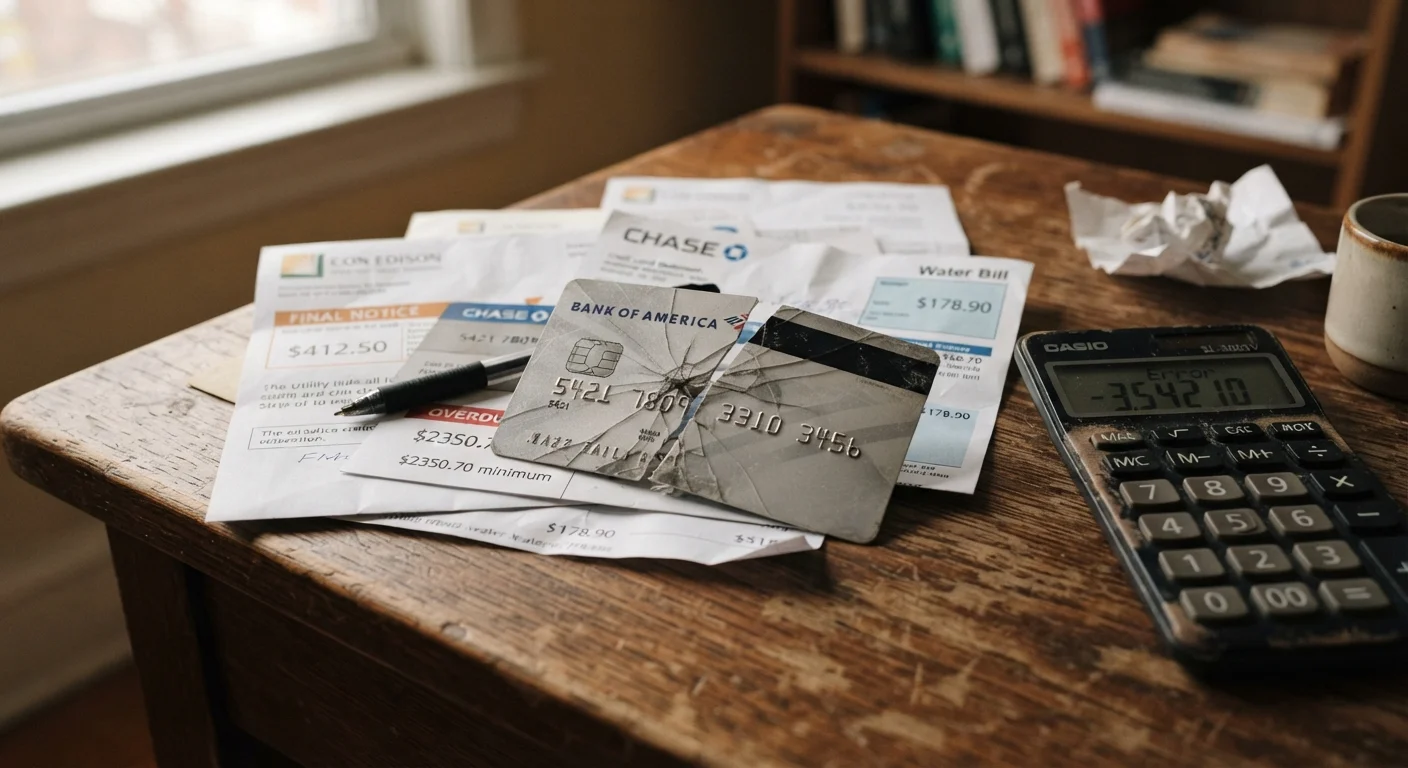
Photo credit: SkripTee.com | Search. Explore. Learn.
Some of the most damaging credit behaviours are also the most routine. Recognising these patterns is the first step to avoiding long-term damage.
Key Takeaways
- Missing even a single payment can stay on your credit report for up to seven years.
- High credit utilization - even when paid off monthly - can drag down your score.
- Closing old accounts shortens your credit history and may hurt your score.
- Applying for multiple credit products in a short window triggers hard inquiries that lower scores.
- Ignoring your credit report means errors can go undetected and uncorrected for years.
Why Credit Damage Often Happens Slowly
A credit profile rarely collapses overnight. More often, it erodes through repeated small decisions that each seem harmless in isolation - paying the minimum, letting a bill slip a few days, opening a new card to capture a promotional offer. Over months and years, these patterns compound into a significantly weaker credit position.
Understanding which everyday habits carry hidden credit risk is the first line of defence. The mistakes below are common precisely because they feel reasonable at the time. Recognising the underlying mechanics makes it easier to course-correct before lasting damage is done.
35%
Weight of payment history in FICO scores
According to FICO's published scoring model breakdown, payment history carries more weight than any other scoring factor.
7 years
How long most negative items remain on a credit report
The Fair Credit Reporting Act generally limits most derogatory entries - including late payments and collections - to a seven-year reporting window.
30%
Recommended maximum credit utilization rate
Consumer financial guidance from sources including the Consumer Financial Protection Bureau (CFPB) commonly cites keeping utilization below 30% as a protective threshold.
The Most Common Habits That Hurt Your Credit
The habits listed here are not unusual or reckless - they are the kinds of decisions millions of consumers make routinely. What makes them damaging is that their consequences are delayed, invisible on a monthly statement, and cumulative.
Making only the minimum payment each month on revolving credit accounts.
Why it happens: Minimum payments feel like compliance - you met the obligation, so the account seems healthy. In reality, carrying a large balance relative to your credit limit keeps your utilization ratio high, which credit scoring models penalise.
Closing old or unused credit card accounts to 'clean up' your credit profile.
Why it happens: It feels tidy and responsible to eliminate accounts you no longer use. However, closing an account reduces your total available credit and can shorten the average age of your credit history - both of which may lower your score.
Applying for several new credit products within a short period.
Why it happens: Rate shopping or responding to promotional offers can prompt multiple applications in quick succession. Each application typically triggers a hard inquiry, and several hard inquiries in a short window signal elevated credit risk to lenders.
Neglecting to monitor your credit report for errors or unfamiliar accounts.
Why it happens: Checking credit reports feels like an administrative task that can always wait. Errors - including accounts that do not belong to you, incorrect balances, or outdated derogatory marks - can quietly suppress your score without your knowledge.
Letting lifestyle spending creep erode the budget cushion needed to pay bills on time.
Why it happens: Gradual increases in discretionary spending - subscriptions, dining, convenience services - often go unnoticed until cash flow tightens. When that happens, credit obligations are sometimes delayed or skipped.
Payment History Is Your Most Weighted Factor
According to FICO, payment history accounts for roughly 35% of a standard credit score - more than any other single factor. A single missed payment reported to credit bureaus can remain on your credit report for up to seven years. Prioritising on-time payments above all else is the single most effective habit for protecting your credit profile. For a detailed look at the timeline and consequences, see what really happens when you miss a payment.
This article is for general informational and educational purposes only and does not constitute personalised financial or credit advice. Consult a qualified financial professional regarding decisions specific to your circumstances.

Author
Finance Editorial Team
Finance Editorial Team is the collective byline for our editorial team and contributor network. Articles published under this byline or an editorial pen name are researched, written, and reviewed according to our editorial standards for clarity, consistency, and independence before publication.
View all articles →