
How to Handle a Disappointing Meal at a Restaurant Gracefully
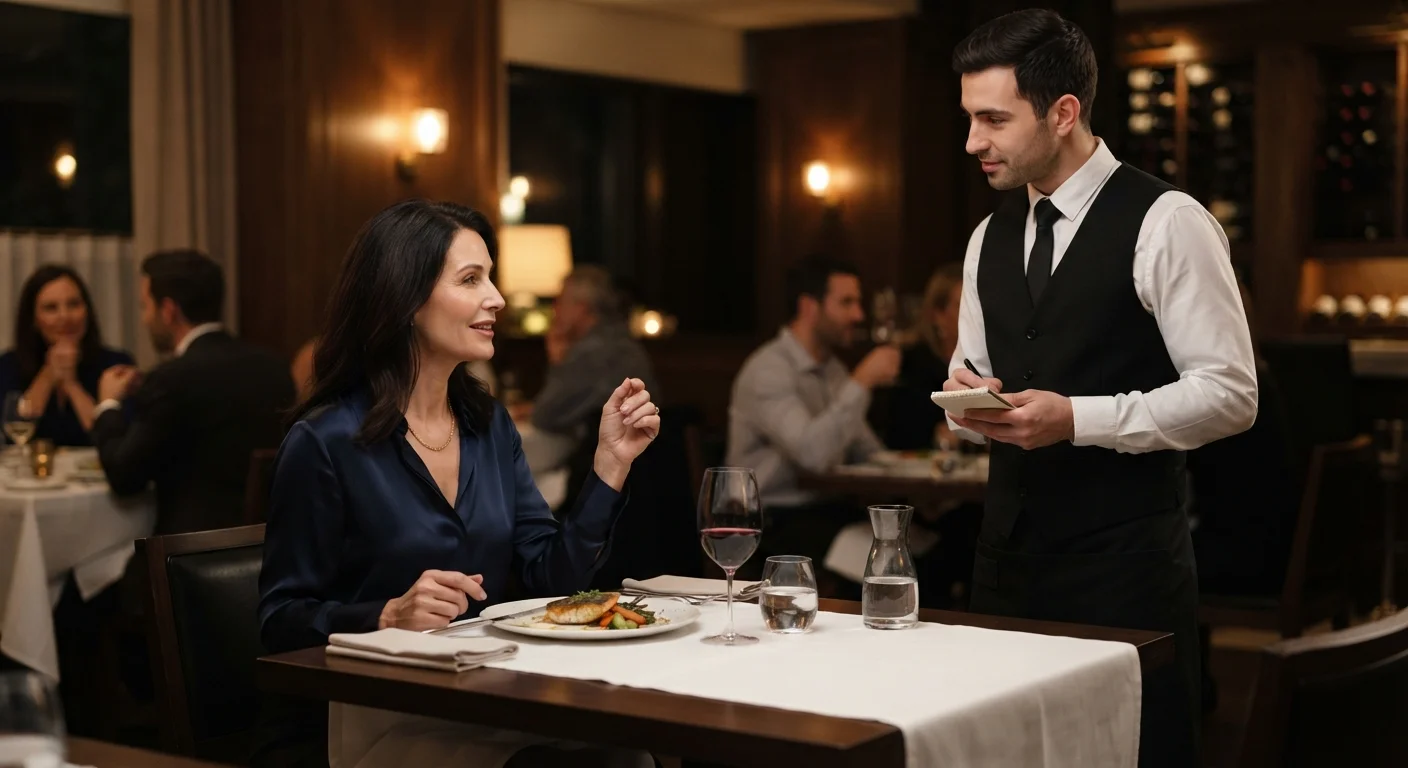
Photo credit: SkripTee.com | Search. Explore. Learn.
In this article
When food arrives wrong or service falls short, knowing how to raise the issue calmly can turn the situation around — here's how.
Key Takeaways
- Address problems during the meal, not only after, so the kitchen has a chance to correct them.
- Speak calmly and specifically - vague complaints are harder for staff to act on effectively.
- Most restaurants genuinely want to make things right and will appreciate a constructive approach.
- Knowing when to escalate to a manager versus your server can make the resolution faster.
- Leaving a fair, honest review afterward benefits other diners and gives the restaurant useful feedback.
Why How You Raise the Issue Matters
A disappointing restaurant experience - whether it's an overcooked steak, a dish that arrives cold, or a server who disappears for twenty minutes - is frustrating. But the way you handle the moment has a significant impact on how it resolves. Diners who raise concerns calmly and clearly are far more likely to leave satisfied than those who stay silent until checkout or who react with hostility.
Restaurant staff, particularly in busy dining rooms, cannot fix problems they don't know about. The kitchen operates on time pressure, and servers are managing multiple tables simultaneously. A politely stated concern gives the team an opportunity to make it right - something most hospitality professionals genuinely want to do. Understanding this dynamic, rather than viewing the situation as adversarial, is the foundation for handling it gracefully.
If you want to set yourself up for a better experience before you even walk in, reading restaurant reviews critically can help you choose venues where quality and service are more reliably consistent.
Timing Your Feedback Makes a Difference
Concerns raised mid-meal are actionable - the kitchen can remake a dish, a server can adjust their approach, and the experience can still recover. Concerns raised only at checkout put staff in a position where they can apologize but cannot actually fix what went wrong. Speaking up promptly is both more effective and, in most cases, more comfortable for everyone involved.
Step-by-Step: Handling the Situation in the Moment
Follow these steps to address a disappointing meal in a way that is constructive, effective, and maintains your dignity as a guest.
Pause before reacting
Take a moment before flagging the issue. Confirm to yourself what the specific problem is: Is the food underdone, over-salted, not what you ordered, or presented in a way that doesn't match the menu description? Being able to name the issue precisely - rather than simply saying "this isn't good" - makes it much easier for staff to respond helpfully.
Speak to your server promptly
Flag the issue as soon as your server next passes - don't wait until you've eaten most of the dish or until the bill arrives. Make eye contact, use a calm tone, and state the problem directly: "The salmon is quite rare inside - I ordered it medium. Could this go back to the kitchen?" Specific, polite language gives the server a clear path forward.
State what you'd like to happen
Don't leave the resolution open-ended. Let the server know what outcome would satisfy you - whether that's a replacement dish, an adjustment, a removal from the bill, or simply an acknowledgment. Restaurants generally want to accommodate reasonable requests, and giving staff a target outcome makes resolution faster for everyone.
Escalate to a manager if needed
If your server seems unable to resolve the issue - perhaps the kitchen has pushed back or the service failure is systemic - it's appropriate to ask calmly for a manager or shift supervisor. Frame it neutrally: "I'd appreciate speaking with a manager for a moment." Managers typically have more authority to offer remedies, and they want to know when something has gone wrong on their floor.
Review the adjusted bill before paying
If a discount, comp, or adjustment was offered, review your bill carefully before paying to confirm the change was applied correctly. Errors in billing are common during busy service. If something doesn't match what was agreed, point it out matter-of-factly - most discrepancies are accidental and are corrected quickly.
After the Meal: What to Do If the Problem Wasn't Resolved
If the issue was addressed and resolved, your job is largely done - a brief, genuine thank-you to the server or manager acknowledges their effort and closes the loop well. But if you leave feeling the problem was dismissed or handled poorly, you still have options.
Writing an honest, specific online review can be genuinely useful - both to the restaurant and to other diners. Describe what happened factually, note how staff responded, and keep the tone measured. Avoid exaggeration or emotionally charged language, which tends to undermine the credibility of otherwise legitimate feedback. For guidance on how these reviews are interpreted and what makes them trustworthy, see our article on evaluating restaurant reviews without being misled.
If a billing dispute is involved and cannot be resolved directly with the restaurant, your credit card issuer may offer a formal dispute process - though this is typically a last resort for cases where service was fundamentally not delivered.
Avoid Venting on Social Media in the Heat of the Moment
Posting an angry review or social media call-out immediately after leaving can result in an account that doesn't reflect the full picture and may be difficult to retract. Give yourself time to assess the experience honestly. A considered, factual review written the following day is both more credible and more useful to other diners than one written in frustration.
For travelers encountering dining issues abroad or while on a trip, the same principles apply - composure and clarity work in any context. Visit our trip planning hub for broader guidance on navigating unfamiliar dining and travel situations.

Author
Food Editorial Team
Food Editorial Team is the collective byline for our editorial team and contributor network. Articles published under this byline or an editorial pen name are researched, written, and reviewed according to our editorial standards for clarity, consistency, and independence before publication.
View all articles →