
The Glycaemic Index Explained: Blood Sugar, Carbohydrates, and What the Numbers Mean
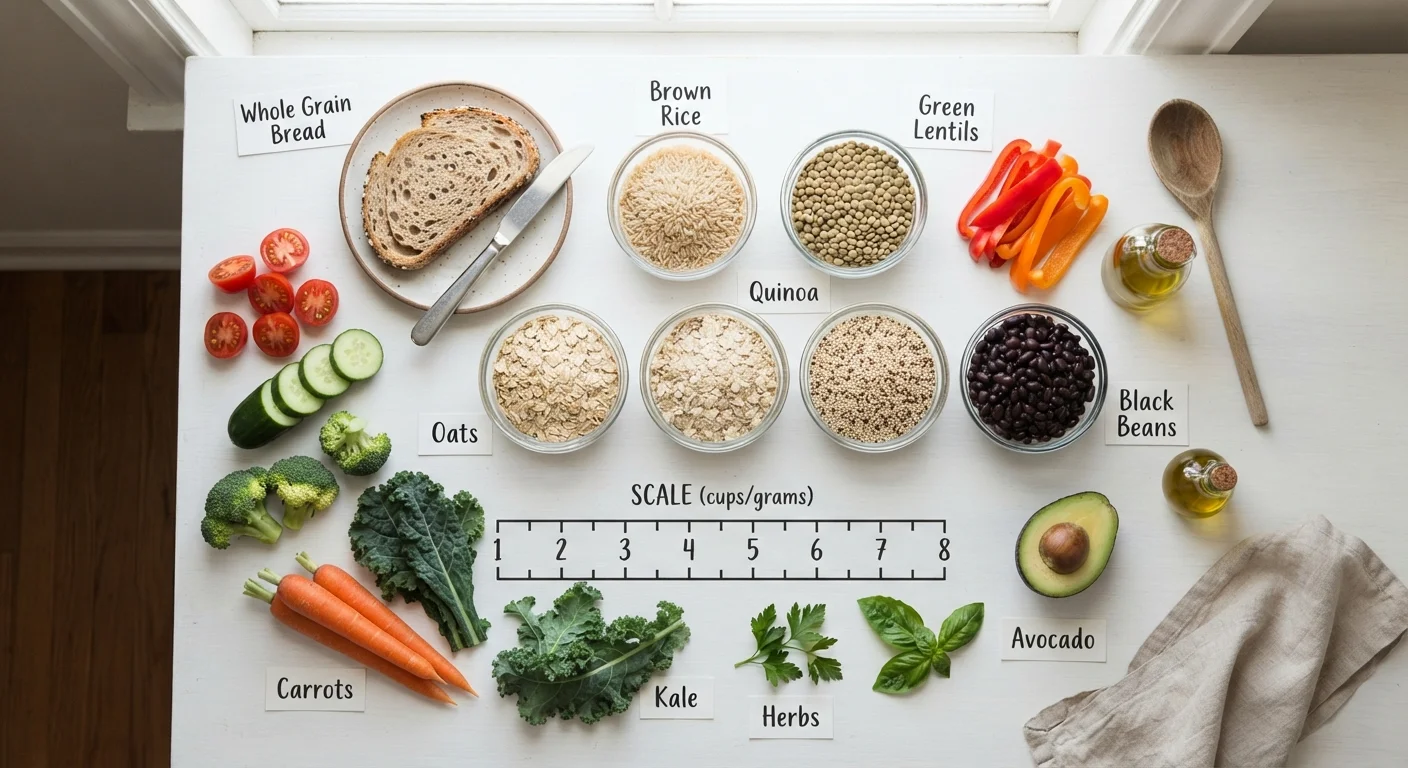
Photo credit: SkripTee.com | Search. Explore. Learn.
In this article
Demystify the glycaemic index—what it measures, its limitations, and how it fits into understanding carbohydrate quality.
Key Takeaways
- The glycaemic index ranks carbohydrates by how fast they raise blood glucose, on a scale of 0-100.
- Low-GI foods (55 or below) cause a slower, steadier rise in blood sugar than high-GI foods (70 and above).
- GI alone doesn't account for portion size - glycaemic load offers a more practical measure.
- Cooking method, ripeness, and food combinations all influence a food's real-world GI effect.
- GI is one useful lens for evaluating carbohydrate quality, not a complete nutrition framework.
How the Glycaemic Index Works
Every time you eat a food containing carbohydrates, your digestive system breaks those carbohydrates down into glucose, which enters the bloodstream and triggers an insulin response. The glycaemic index captures how fast and how high that blood glucose rise occurs relative to a controlled reference - usually 50 grams of pure glucose, which is assigned a score of 100.
A food scoring 30 raises blood sugar roughly 30% as much as pure glucose would over a two-hour testing period. A food scoring 85 produces a rapid, steep spike. The three broad categories are:
- Low GI (55 or below): Lentils, most non-starchy vegetables, oats, whole-grain barley, most fruits
- Medium GI (56-69): Whole wheat bread, brown rice, sweet potato, ripe banana
- High GI (70 and above): White bread, white rice, watermelon, most breakfast cereals, glucose drinks
Understanding where foods fall on this scale helps explain why a bowl of steel-cut oats provides sustained energy through a morning, while a sugary breakfast cereal can leave you hungry again within an hour.
0-100
Glycaemic index scoring scale
Pure glucose is assigned a reference value of 100; all other carbohydrate foods are scored relative to this benchmark under standardized testing conditions.
55 or below
Threshold for low-GI classification
The internationally recognized GI classification system, developed from research at the University of Sydney, defines low GI as 55 or below.
~800+
Foods in major GI databases
The University of Sydney's GI database - one of the most comprehensive - lists GI values for hundreds of tested foods from studies conducted worldwide.
Why GI Doesn't Tell the Whole Story
The glycaemic index is genuinely informative, but it has real limitations that nutritionists consistently flag. The most important: GI is measured using a fixed 50-gram carbohydrate portion, regardless of how much of that food a person would realistically eat. This is where glycaemic load (GL) becomes important - it adjusts GI for actual serving size. Watermelon, for example, has a high GI around 72, but a typical serving contains so little carbohydrate that its glycaemic load is quite low. For a deeper comparison of these two measures, see Glycaemic Index vs. Glycaemic Load.
Several other factors further complicate real-world GI application:
- Food combinations: Eating carbohydrates alongside fat, protein, or fibre slows digestion and lowers the overall glycaemic response of a meal. A potato eaten plain behaves very differently than one eaten with butter, sour cream, and a protein.
- Ripeness and processing: A less-ripe banana has a lower GI than an overripe one. Heavily processed grain products typically score higher than their minimally processed counterparts.
- Individual variation: Research published in journals including Cell has demonstrated that two people can have substantially different blood glucose responses to the same food, influenced by gut microbiome composition, genetics, and metabolic status.
GI Values Can Vary Between Sources
Different GI databases sometimes list different values for the same food, which can be confusing. These discrepancies reflect genuine variability in food varieties tested, ripeness, preparation method, and participant metabolic differences across studies. The GI database maintained by the University of Sydney is widely regarded as the most rigorously compiled reference, using averaged values from multiple validated studies.
The GI also says nothing about a food's broader nutritional value. Chocolate has a lower GI than plain white bread - not because chocolate is nutritionally superior, but because its fat content slows sugar absorption. Using GI in isolation, without considering fibre, micronutrients, and overall diet quality, can lead to misleading conclusions.
Fibre, Carbohydrate Quality, and the Bigger Picture
One of the most reliable predictors of a low GI score is high dietary fibre content. Fibre - particularly soluble fibre - forms a viscous gel in the digestive tract that slows the absorption of glucose into the bloodstream. This is a core reason why whole legumes, oats, and most vegetables tend to have low GI values. To understand fibre's broader role beyond GI, see Understanding Dietary Fibre.
It's also worth distinguishing between the types of sugars involved. Not all sugars raise blood glucose at the same rate - fructose, for instance, has a very low GI but is metabolized differently than glucose. For more on how sugar source and type matter, see Added Sugar vs. Natural Sugar.
Lower GI Without Changing What You Eat
Cooking pasta and potatoes al dente rather than fully soft, choosing slightly less-ripe fruit, and allowing cooked rice or potatoes to cool before eating can all meaningfully reduce their glycaemic impact. Pairing any starchy food with a source of protein, healthy fat, or fibre-rich vegetables at the same meal further blunts the blood sugar response without requiring a diet overhaul.
Rather than optimizing individual foods in isolation, most registered dietitians advise building dietary patterns in which low-to-medium GI whole foods predominate - not because each food's GI score has been calculated, but because such patterns naturally align with established evidence on carbohydrate quality, fibre intake, and long-term metabolic health. For plain-language definitions of related nutrition concepts, A Glossary of Nutrition Terms Worth Knowing is a useful companion resource.
“The glycaemic index is a useful tool, but it was never meant to be used in isolation. The overall dietary pattern - the combination of foods, fibre, and nutrients across the day - is what drives long-term health outcomes, not a single food's GI score.”
— David Jenkins, Professor of Nutritional Sciences, University of Toronto, and original developer of the glycaemic index concept
This article is for informational and educational purposes only and does not constitute medical or dietary advice. Consult a qualified healthcare professional or registered dietitian before making significant changes to your diet, particularly if you have a medical condition such as diabetes or prediabetes.
Frequently Asked Questions

Author
Food Editorial Team
Food Editorial Team is the collective byline for our editorial team and contributor network. Articles published under this byline or an editorial pen name are researched, written, and reviewed according to our editorial standards for clarity, consistency, and independence before publication.
View all articles →