
Before You Begin: A Self-Check for Starting a New Exercise Habit
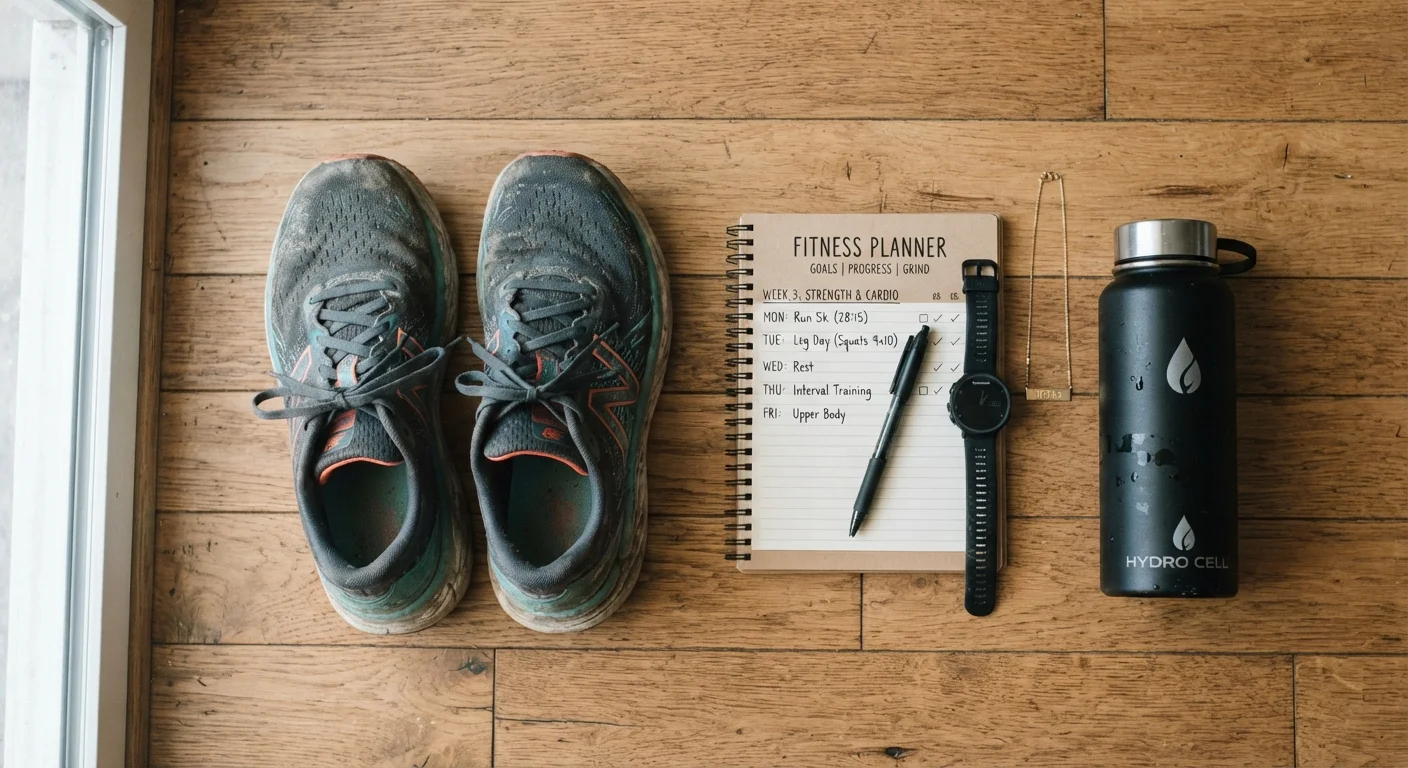
Photo credit: SkripTee.com | Search. Explore. Learn.
In this article
A practical checklist covering readiness, goals, recovery, and safety considerations before committing to a new physical activity routine.
Key Takeaways
- Consulting a healthcare provider before starting is especially important if you have a chronic condition or have been sedentary for an extended period.
- Honest goal-setting - realistic, specific, and personally meaningful - predicts long-term adherence better than motivation alone.
- Recovery planning is as important as the workouts themselves; overlooking it is a leading cause of early burnout.
- The right gear and environment significantly reduce injury risk for beginners.
- A structured self-check now prevents the most common pitfalls that derail new routines within weeks.
Why a Self-Check Matters Before You Start
Most people begin a new exercise habit with enthusiasm but without a plan - and enthusiasm alone rarely survives the first difficult week. Research in behavioral health consistently shows that preparation and self-awareness are stronger predictors of long-term habit formation than motivation or willpower.
This checklist is designed to surface the questions worth asking before you lace up: about your health baseline, your realistic schedule, your environment, and your recovery capacity. Working through it doesn't take long, but it meaningfully increases the odds that a new routine actually sticks.
If you're also thinking about the broader shape of your weekly schedule, our guide on building a weekly movement routine from scratch is a helpful next step after completing this self-check.
Pain During Exercise Is Not Normal
Muscle fatigue and mild post-exercise soreness are expected when starting a new routine - sharp, localized, or joint pain during exercise is not. If you experience chest pain, shortness of breath disproportionate to effort, dizziness, or sudden joint pain, stop immediately and seek medical attention. Never push through pain in the hope that it will resolve on its own.
Tools You'll Want Handy
You won't need much to work through this checklist - but having a few things at hand will help you answer each item honestly and record what you find.
Notebook or notes app
Record your answers to goal and schedule items so you have a reference to revisit after your first few weeks.
Current weekly calendar
Identify realistic time slots for exercise by looking at your actual schedule, not an ideal one.
Athletic footwear appropriate to your activity
Verify that your shoes are in good condition and suited to the movement type you've chosen.
Basic first aid kit
Keep accessible at your exercise location for minor cuts, blisters, or sprains during the adjustment period.
Heart rate monitor or smartwatch
Helps beginners stay within a comfortable effort range and track trends over time.
Your Complete Pre-Exercise Self-Check
Work through each group in order. Be honest - the goal isn't to pass a test but to identify anything that needs attention before you begin.
Health & Medical Readiness
Goal Clarity
Schedule & Logistics
Environment & Equipment
Recovery & Sustainability
Don't Skip the Health Readiness Group
It can be tempting to skim past the medical items, especially if you feel generally healthy. However, certain conditions - including hypertension, prediabetes, and joint hypermobility - can significantly affect which exercise types are appropriate and at what intensity. If any item in the Health & Medical Readiness group gives you pause, treat that as a signal to speak with a healthcare professional before proceeding, not after.
If physical wellness is just one dimension of the routine you're building, it's worth reading alongside our practical audit for your mental wellbeing routine, which covers sleep, stress, and emotional health habits in similar structured detail.
Using the Results of Your Self-Check
Once you've worked through the checklist, you should have a clearer picture of where you're genuinely ready and where some groundwork remains. A few items flagged in the health or recovery groups may mean a brief conversation with a healthcare provider before you begin - that's not a delay, it's smart planning.
Items marked "should" or "nice to have" that you can't yet check off don't need to stop you. Note them as ongoing priorities and revisit them after your first two to four weeks. The goal is to begin safely, not to begin perfectly.
This article provides general health information for educational purposes only and is not a substitute for professional medical advice, diagnosis, or treatment. Always consult a qualified healthcare provider before starting a new exercise program, particularly if you have an existing health condition, injury, or have been physically inactive for a prolonged period.

Author
Health Editorial Team
Health Editorial Team is the collective byline for our editorial team and contributor network. Articles published under this byline or an editorial pen name are researched, written, and reviewed according to our editorial standards for clarity, consistency, and independence before publication.
View all articles →