
Stretching and Mobility Work: What Each Does and When to Do It
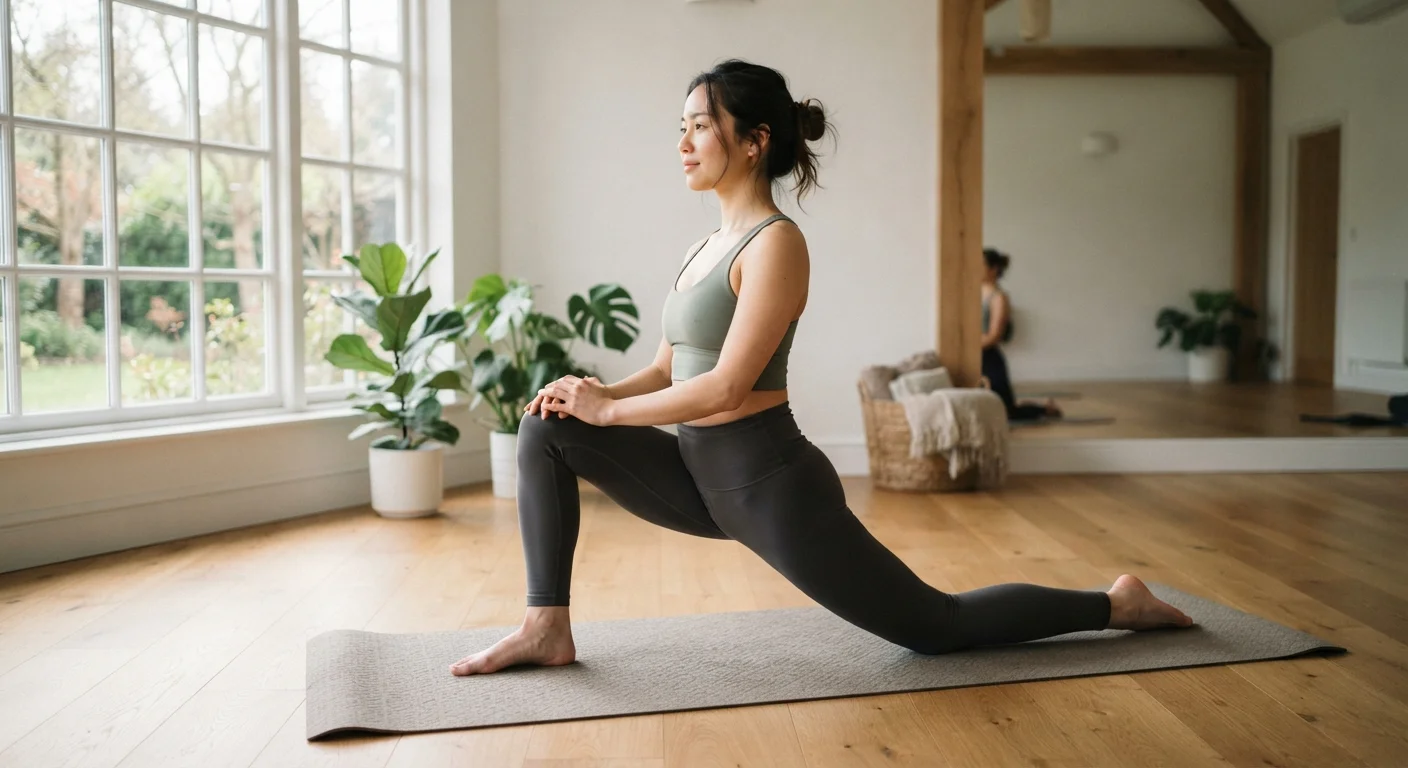
Photo credit: SkripTee.com | Search. Explore. Learn.
In this article
Stretching and mobility training are often lumped together, but they serve different purposes. Here's how to tell them apart and use each effectively.
Key Takeaways
- Stretching targets muscle length; mobility work trains joint control and active range of motion.
- Static stretching is generally better placed after exercise, not before intense activity.
- Mobility work doubles as a warm-up, activating muscles and preparing joints for movement.
- Both practices are complementary - most people benefit from incorporating each into their routine.
- Consistency over time matters more than the length of any single session.
What Stretching Actually Does
Stretching is the practice of elongating a muscle or muscle group to reduce tension and improve flexibility. The two most common forms are static stretching - holding a position for a sustained period, typically 20-60 seconds - and dynamic stretching, which involves controlled movement through a range of motion rather than holding a fixed pose.
Static stretching works by encouraging the muscle and its surrounding connective tissue to relax and lengthen over time. It's widely used in cool-down routines because muscles are warmer and more pliable after activity, which may make lengthening feel easier and more effective. Dynamic stretching, by contrast, involves leg swings, arm circles, or torso rotations that prepare tissues for movement without the prolonged hold.
Research generally supports placing static stretching after vigorous exercise rather than before, as pre-activity static holds may temporarily reduce explosive strength in some contexts. For everyday flexibility maintenance, timing is more flexible - what matters most is doing it consistently.
A Note on Passive vs. Active Flexibility
Flexibility and mobility are related but distinct concepts. Flexibility refers to the passive ability of a muscle to lengthen - how far it can be stretched by an external force. Mobility refers to the active range a joint can move through under your own muscular control. You can be flexible without being mobile, which is why combining both types of training tends to produce more functional results than stretching alone.
What Mobility Work Actually Does
Mobility work is broader in scope than stretching. Rather than focusing purely on muscle length, it trains the joint's ability to move actively and with control through its full available range. A mobile joint isn't just passively flexible - it's one you can move deliberately and stabilize under load.
Common mobility exercises include hip circles, thoracic spine rotations, controlled articular rotations (CARs), and deep squat holds with active engagement. These drills often incorporate strength and coordination alongside range of motion, which is why mobility work can serve as an effective warm-up before training.
For many people, limited mobility stems not from short muscles alone but from underused joints and weak supporting muscles. This is why mobility training - unlike passive stretching - tends to produce improvements that carry over into real movement patterns like squatting, reaching, and lifting. It's particularly relevant for those who spend many hours seated, as prolonged static postures can gradually restrict joint movement over time.
If you're curious how structured movement routines fit into your broader fitness picture, everyday movement habits can complement dedicated mobility sessions meaningfully.
How They Compare Side by Side
While stretching and mobility work overlap in some areas, their goals, methods, and ideal timing differ in meaningful ways. Understanding these differences helps you use each more intentionally.
| Criterion | Stretching | Mobility Work |
|---|---|---|
| Primary focus | Muscle length and flexibility | Joint range and active control |
| Type of effort | Passive or semi-passive holds | Active, controlled movement |
| Best timing | After exercise or standalone | Before exercise or as warm-up |
| Skill level needed | Minimal - accessible to beginners | Low to moderate - easy to learn |
| Carryover to movement | Moderate - improves passive range | High - transfers to real movement patterns |
| Equipment required | None typically needed | None typically needed |
It's worth noting that the two practices are not in competition. Many effective warm-up and recovery routines include elements of both - dynamic stretches that also train joint control, or mobility drills followed by static holds to lock in range of motion gains.
When and How to Use Each in Your Routine
Before exercise: Opt for dynamic stretching and mobility drills. These raise tissue temperature, activate supporting muscles, and rehearse movement patterns you'll use during your session. A few minutes of hip circles, thoracic rotations, and leg swings is a practical starting point.
After exercise: This is the natural home for static stretching. Muscles are warm, and holding gentle stretches for 20-30 seconds can contribute to flexibility over time and support a sense of recovery and calm.
On rest days: Both practices work well here. A short mobility routine can keep joints feeling fluid without adding training stress. See how rest days fit into a fitness routine for a broader recovery framework.
Standalone sessions: Yoga, Pilates, and dedicated mobility classes often blend both approaches in a single session - a perfectly valid way to address flexibility and joint health together. If your fitness routine also involves walking or running, understanding how those fit together can help you structure your week more effectively.
37%
Adults who stretch regularly
According to general wellness survey data, fewer than four in ten adults in the U.S. include regular stretching or flexibility work in their exercise routines.
4-8 weeks
Time to notice flexibility gains
Exercise science research generally suggests that consistent stretching over several weeks produces measurable improvements in range of motion for most adults.
This article is for general informational purposes only and does not constitute medical advice. If you have a specific injury, chronic condition, or health concern, please consult a qualified healthcare professional before beginning any new exercise practice.

Author
Health Editorial Team
Health Editorial Team is the collective byline for our editorial team and contributor network. Articles published under this byline or an editorial pen name are researched, written, and reviewed according to our editorial standards for clarity, consistency, and independence before publication.
View all articles →