
What 'Functional Fitness' Actually Means - and Why It's Useful
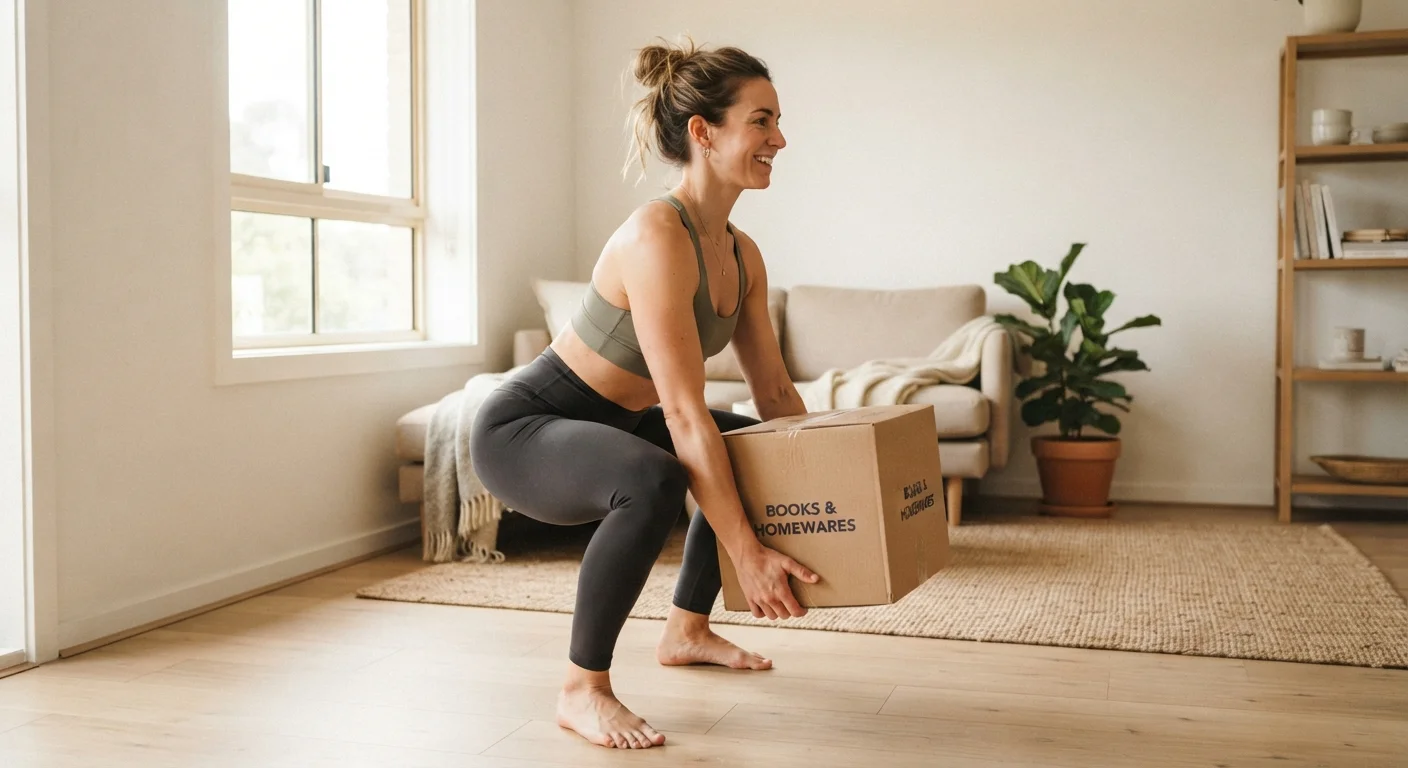
Photo credit: SkripTee.com | Search. Explore. Learn.
In this article
Functional fitness is a term that gets used loosely. This article unpacks its real meaning and explains why it's relevant beyond the gym.
Key Takeaways
- Functional fitness focuses on movements your body performs in everyday life, not just gym-specific exercises.
- It improves strength, balance, and mobility together - reducing injury risk over time.
- Functional training is relevant at any fitness level, not just for athletes or older adults.
- Many functional movements require little or no equipment.
- The goal is a body that works well in real-world situations, not just one that looks a certain way.
Where the Term Comes From - and What It Really Means
The phrase functional fitness is everywhere in gyms, wellness content, and physical therapy offices. But it's often used loosely enough to mean almost anything. At its core, the concept is straightforward: training your body to perform the movements you already do - or need to do - in ordinary life.
This stands in contrast to training that targets isolated muscles for aesthetic purposes, or to sport-specific conditioning designed for competitive performance. Functional fitness sits between those extremes, asking a practical question: does this exercise make real-life movement easier, safer, or more efficient?
The movements it typically addresses include bending at the hips and knees, pushing and pulling, rotating the trunk, carrying loads, and maintaining balance. These are the physical demands of daily living - whether that's hoisting groceries, getting off the floor, or managing luggage on a trip.
Functional Fitness vs. 'Functional Training' Products
The term 'functional training' has been heavily marketed and is sometimes attached to equipment, classes, or methods that use it loosely. The concept itself doesn't require any particular product or setting. What matters is whether the movements being trained reflect real-world physical demands - not the label on the class or equipment.
Why It's Not Just a Gym Trend
Functional fitness has roots in physical rehabilitation. Therapists have long known that recovering from injury requires retraining movement patterns, not just rebuilding muscle. That same logic applies to everyday wellbeing: a body that moves well in varied, real-world contexts is generally a more resilient one.
What distinguishes functional training from general exercise isn't necessarily the equipment or setting - it's the intent behind the movement. A squat, for example, is one of the most functional exercises that exists because it directly mirrors the mechanics of sitting down and standing up. A leg extension machine trains one muscle group in a pattern that rarely occurs in daily activity.
As the fitness myths that keep people from starting makes clear, many people avoid exercise based on misconceptions about what it needs to look like. Functional fitness challenges the idea that working out has to be complicated or equipment-heavy to count.
Start With What Already Challenges You
Rather than following a generic functional fitness program, notice which everyday movements feel awkward or tiring - climbing stairs, lifting from the floor, reaching overhead. These real-life friction points are your most relevant training cues. Addressing them directly tends to produce faster, more noticeable results than abstract programming.
Who Benefits - and How
One of the most useful things about functional fitness is that it scales across age and ability. For older adults, it directly addresses balance, fall prevention, and the capacity to live independently - outcomes that matter enormously for quality of life. For younger adults, it builds a physical foundation that supports both performance and longevity.
30%
Reduction in fall risk with balance and strength training
A systematic review published in the British Journal of Sports Medicine found that exercise programs targeting balance and functional strength can meaningfully reduce fall risk in older adults.
~80%
Adults who don't meet physical activity guidelines
According to the U.S. Centers for Disease Control and Prevention (CDC), approximately 80% of American adults do not meet guidelines for both aerobic and muscle-strengthening activity.
The benefits tend to cluster around a few key areas:
- Improved coordination and balance - functional movements train multiple systems at once, including the stabilizing muscles and proprioceptive pathways that govern body awareness.
- Reduced injury risk - practicing controlled movement under manageable load builds the joint stability that protects against common strains and sprains.
- Greater ease in daily life - over time, everyday tasks feel less effortful, which is a meaningful quality-of-life improvement at any age.
It's also worth noting how naturally functional fitness complements consistent movement habits. As explored in our guide to movement habits that support fitness without a formal workout, not every physical benefit comes from scheduled exercise - and functional training reinforces exactly the kind of movement you're already doing throughout the day.
How to Think About It in Practice
You don't need to overhaul your routine to bring a functional fitness lens to your training. A useful starting point is asking: which physical tasks in my daily life feel harder than they should? That answer often points directly to what to prioritize.
For most people, the foundational movement patterns worth training are:
- Hip hinge (picking things up from the floor - addressed by deadlifts and Romanian deadlifts)
- Squat (sitting and standing - bodyweight or loaded squats)
- Push and pull (reaching and carrying - push-ups, rows)
- Carry (moving loads over distance - farmer's walks or suitcase carries)
- Rotation (twisting movements - often neglected but common in daily life)
Progress in functional fitness tends to be gradual. The evidence for consistency over intensity is relevant here: practicing these movement patterns regularly - even at modest effort levels - builds durable capacity over time far more effectively than sporadic high-intensity bursts. Similarly, appropriate rest and recovery allows the body to consolidate those movement adaptations.
This article is for general informational purposes only and does not constitute medical or professional fitness advice. Consult a qualified healthcare provider or certified fitness professional before starting a new exercise program, particularly if you have existing health conditions or injuries.
Frequently Asked Questions

Author
Health Editorial Team
Health Editorial Team is the collective byline for our editorial team and contributor network. Articles published under this byline or an editorial pen name are researched, written, and reviewed according to our editorial standards for clarity, consistency, and independence before publication.
View all articles →