
Signs Your Stress Has Become Chronic - and What That Means
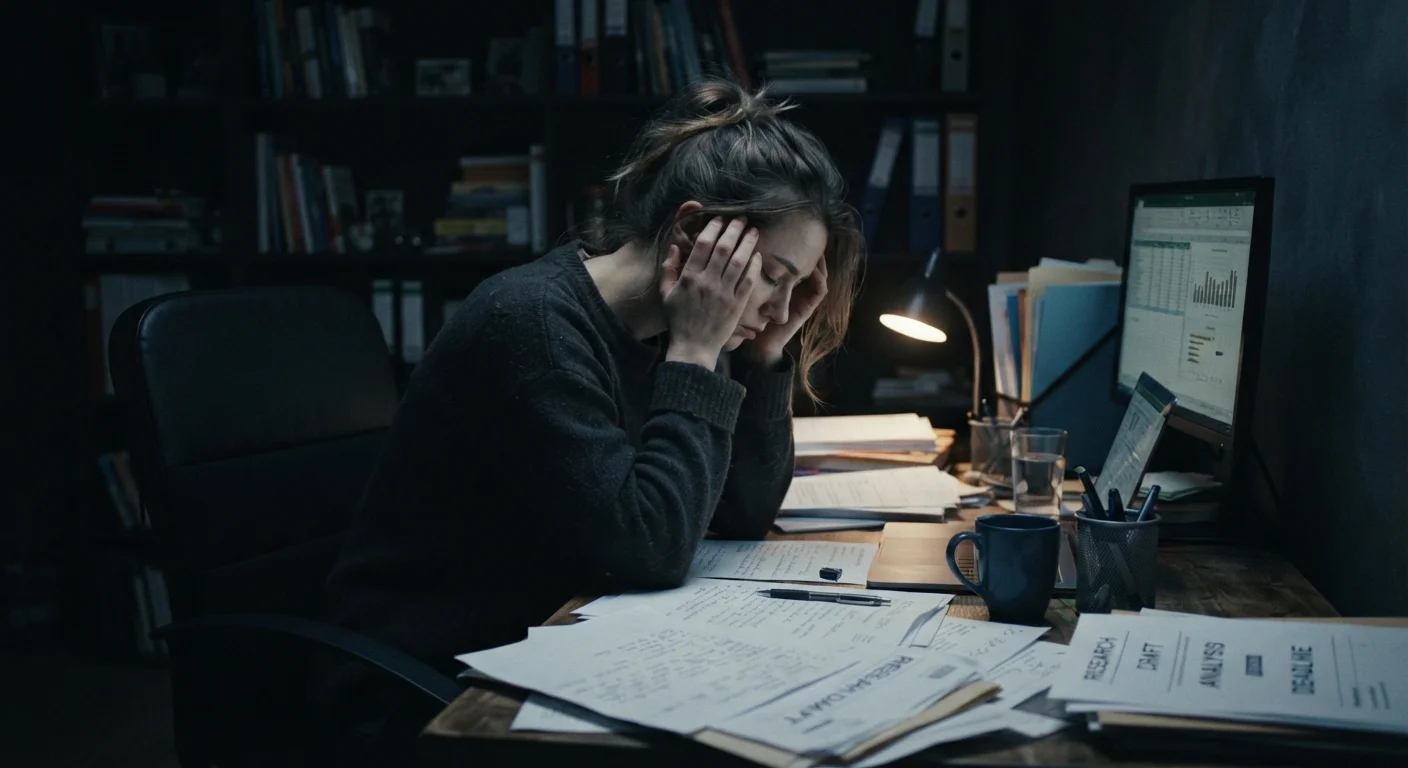
Photo credit: SkripTee.com | Search. Explore. Learn.
In this article
Chronic stress looks different from everyday pressure. Learn to recognise the signals and understand why prolonged stress affects body and mind.
Acute vs. Chronic Stress: Understanding the Difference
Not all stress is the same. Acute stress is short-lived - the kind triggered by a deadline or a near-miss on the highway. Your body responds, then recovers. Chronic stress is different: it is stress that persists over weeks or months, keeping your body's alarm system switched on far longer than it was designed to be.
| Duration threshold | Stress lasting several weeks or longer is generally considered chronic (American Psychological Association) |
| Primary stress hormone | Cortisol, released by the adrenal glands |
| Body systems affected | Immune, cardiovascular, digestive, endocrine, and nervous systems (National Institute of Mental Health) |
| Common overlooked symptom | Persistent fatigue not relieved by rest |
| When to seek help | If symptoms interfere with daily function or persist for weeks |
The distinction matters because prolonged activation of the stress response - primarily the release of cortisol and adrenaline - begins to wear down physiological systems that depend on recovery time. What starts as a protective mechanism can gradually undermine the very systems it was meant to protect. For a broader look at everyday mental wellbeing, see our comprehensive mental wellness guide.
Physical Signs That Stress Has Become Chronic
The body is often the first to signal that stress has crossed from manageable into chronic territory. Common physical indicators include:
- Persistent headaches or muscle tension - particularly in the neck, shoulders, and jaw - that has no clear injury-related cause.
- Disrupted sleep - difficulty falling asleep, waking frequently, or waking unrefreshed even after adequate hours.
- Gastrointestinal complaints such as stomach upset, changes in appetite, or irritable bowel symptoms that come and go with no consistent dietary trigger.
- Frequent minor illnesses - chronic stress is associated with suppressed immune function, which may increase susceptibility to colds and infections.
- Unexplained fatigue that persists even after rest and is not explained by another medical condition.
None of these symptoms on its own confirms chronic stress, and each can have other causes. If symptoms are persistent or worsening, a qualified healthcare professional should be consulted to rule out underlying conditions.
When to Contact a Healthcare Professional
Physical symptoms linked to stress - such as chest tightness, severe headaches, or significant changes in appetite or weight - should always be evaluated by a doctor to rule out other causes. Do not self-diagnose or self-treat. If you are experiencing thoughts of self-harm or feel unable to cope, contact a mental health professional or crisis line immediately.
Emotional and Cognitive Signals Worth Recognising
Chronic stress reshapes how the mind operates. Beyond feeling "stressed," people often notice:
Chronic stress
A state of prolonged psychological and physiological tension that persists over weeks or months, keeping the body's stress-response systems in a state of sustained activation beyond normal recovery cycles.
Cortisol
A hormone released by the adrenal glands in response to stress. Short-term spikes are normal and adaptive; chronically elevated cortisol levels are associated with a range of health effects.
Allostatic load
The cumulative biological cost of chronic stress exposure - the "wear and tear" on the body and brain that accumulates when stress responses are activated repeatedly over time.
Burnout
A state of physical and emotional exhaustion associated with prolonged stress, particularly work-related stress, characterised by feelings of detachment, reduced efficacy, and cynicism.
HPA axis
The hypothalamic-pituitary-adrenal axis - a central hormonal system that regulates the stress response. Chronic stress can dysregulate this system, affecting mood, energy, and immune function.
- Irritability or emotional reactivity - reacting more intensely to minor frustrations than feels proportionate.
- Difficulty concentrating - trouble sustaining focus, making decisions, or retaining new information.
- Persistent low mood or sense of dread - a background feeling of anxiety or hopelessness that doesn't lift.
- Social withdrawal - pulling back from relationships, not out of preference but because engagement feels draining.
- Cynicism or detachment - a growing inability to care about things that previously mattered.
These cognitive and emotional changes often go unrecognised because they develop gradually. Many people describe this phase as simply feeling "off" or burned out, rather than linking it explicitly to stress.
77%
Adults reporting physical symptoms of stress
According to the American Psychological Association's Stress in America survey, a large majority of adults report physical symptoms they link to stress.
3 in 4
Adults who experienced stress-related sleep disruption
The APA has consistently found that sleep disturbance is among the most commonly reported consequences of chronic stress in US adults.
What Prolonged Stress Means for Long-Term Health
Research consistently links chronic stress exposure to a range of health concerns over time. These include elevated blood pressure, disrupted metabolic function, and changes in immune regulation. Mental health is also affected - chronic stress is a recognised risk factor for anxiety disorders and depression, according to established health science literature.
It is important to frame this clearly: experiencing chronic stress does not mean these outcomes are inevitable. Many factors influence individual health trajectories, and the relationship between stress and illness is complex, bidirectional, and influenced by protective factors like social support, sleep quality, and coping strategies.
The goal of recognising chronic stress is not to alarm, but to create an opportunity for earlier, more effective support - whether that means lifestyle adjustments, talking to a mental health professional, or discussing symptoms with a physician.
This article is for general informational purposes only and does not constitute medical advice. If you are concerned about stress-related symptoms or your mental health, please speak with a qualified healthcare professional.

Author
Health Editorial Team
Health Editorial Team is the collective byline for our editorial team and contributor network. Articles published under this byline or an editorial pen name are researched, written, and reviewed according to our editorial standards for clarity, consistency, and independence before publication.
View all articles →