
Micronutrients: The Vitamins and Minerals Your Body Can't Make on Its Own
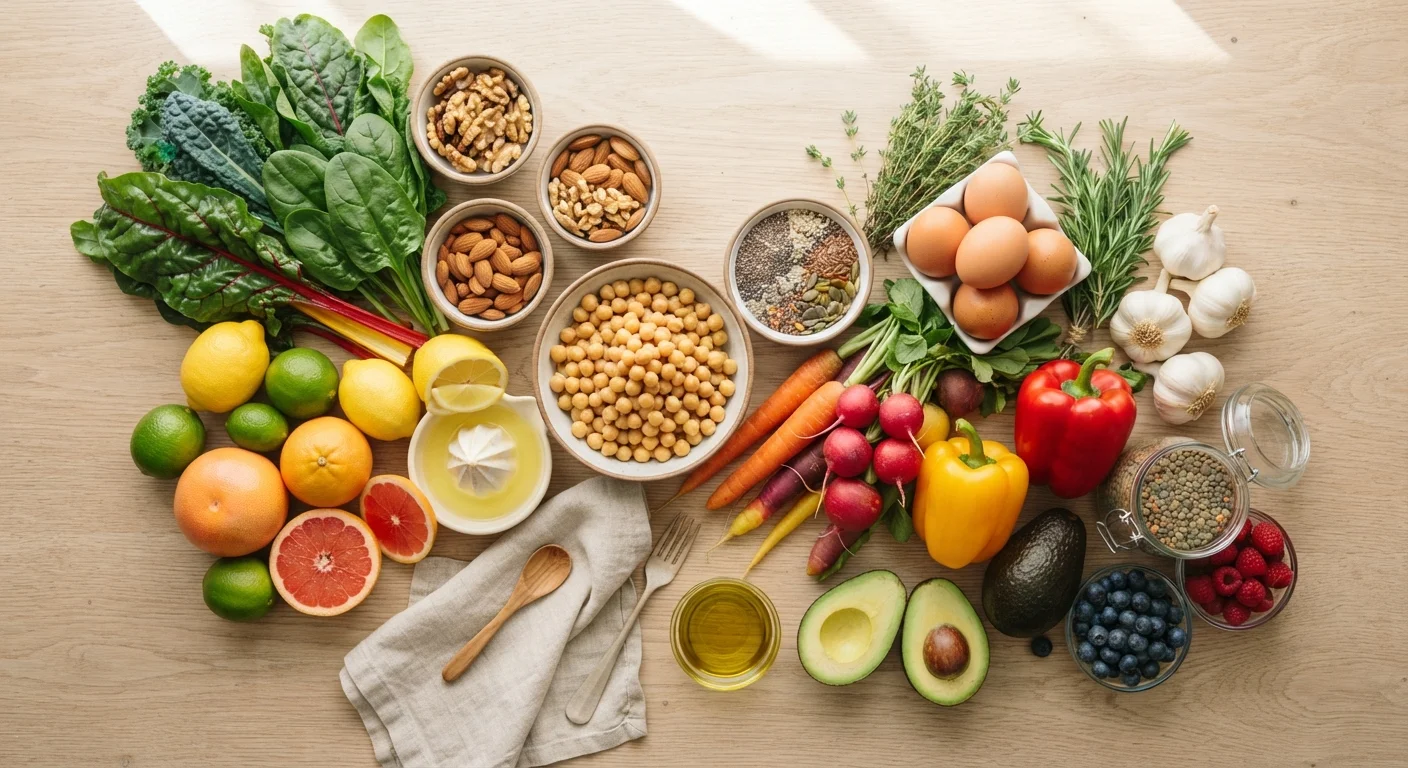
Photo credit: SkripTee.com | Search. Explore. Learn.
In this article
A clear reference to essential vitamins and minerals, what they do, and which whole foods are reliable sources of each.
What Are Micronutrients and Why Do They Matter?
Macronutrients - carbohydrates, proteins, and fats - get most of the nutrition spotlight. But micronutrients are equally critical. Unlike macronutrients, which supply energy, micronutrients are vitamins and minerals that the body needs in smaller amounts to regulate virtually every biological process, from converting food into usable energy to synthesizing DNA, supporting immune defense, and maintaining bone integrity.
The word "micro" refers to quantity, not importance. A shortfall in even one essential micronutrient can impair function over time. Because the body cannot manufacture most of them - or cannot make them in sufficient quantities - they must come consistently from the diet. Understanding key nutrition vocabulary helps make sense of food labels and dietary guidelines that reference these nutrients.
| Number of recognized essential vitamins | 13 (National Institutes of Health, Office of Dietary Supplements) |
| Number of essential dietary minerals | At least 16 (Institute of Medicine, Dietary Reference Intakes) |
| Fat-soluble vitamins | A, D, E, K |
| Water-soluble vitamins | C and all 8 B vitamins |
| Most common nutrient shortfall in the US | Vitamin D, calcium, potassium, and dietary fiber (2020-2025 Dietary Guidelines for Americans) |
| Vitamin synthesized by sun exposure | Vitamin D (National Institutes of Health) |
Essential Vitamins: Functions and Food Sources
Vitamins are organic compounds divided into two categories based on how the body stores and uses them.
Fat-Soluble Vitamins (A, D, E, K)
These dissolve in fat, are absorbed alongside dietary fat, and can be stored in fatty tissue and the liver. Because they accumulate in the body, excessive intake from supplements warrants caution - though food sources rarely pose a risk.
- Vitamin A: Supports vision, immune function, and skin cell turnover. Found in liver, eggs, dairy, sweet potatoes, and dark leafy greens (as beta-carotene, a precursor).
- Vitamin D: Regulates calcium absorption and supports bone health and immune signaling. Synthesized in skin upon sun exposure; dietary sources include fatty fish, egg yolks, and fortified dairy.
- Vitamin E: Acts as an antioxidant, protecting cells from oxidative damage. Found in sunflower seeds, almonds, wheat germ oil, and spinach.
- Vitamin K: Essential for blood clotting and bone metabolism. Green vegetables - kale, spinach, broccoli - are among the richest sources.
Water-Soluble Vitamins (C and the B Vitamins)
These do not accumulate significantly, so regular dietary intake is especially important. Excess amounts are generally excreted in urine.
- Vitamin C: Supports collagen synthesis, immune function, and iron absorption. Citrus fruits, bell peppers, strawberries, and broccoli are excellent sources.
- B Vitamins (B1, B2, B3, B5, B6, B7, B9, B12): Collectively involved in energy metabolism, red blood cell production, and neurological function. Whole grains, legumes, meat, eggs, dairy, leafy greens, and fortified cereals supply this group. Vitamin B12 is found almost exclusively in animal products, making it a key consideration for people following plant-based diets.
Micronutrient
Any vitamin or mineral the body requires in relatively small amounts to support normal physiological function. Unlike macronutrients, micronutrients do not supply calories.
Fat-soluble vitamin
A vitamin (A, D, E, or K) that dissolves in fat rather than water. These vitamins are stored in body fat and the liver, meaning they accumulate over time.
Water-soluble vitamin
A vitamin (C or any of the B vitamins) that dissolves in water and is not significantly stored in the body. Regular dietary intake is needed to maintain adequate levels.
Trace mineral
A mineral the body requires in very small amounts - typically less than 100 mg per day. Examples include iron, zinc, iodine, and selenium.
Bioavailability
The proportion of a nutrient that is actually absorbed and used by the body after ingestion. It varies depending on the food source, preparation method, and individual factors.
Heme iron
A form of iron found in animal-based foods such as red meat and poultry. It is generally absorbed more efficiently by the body than non-heme iron from plant sources.
Essential Minerals: The Body's Structural and Regulatory Workhorses
Minerals are inorganic elements absorbed from the soil through plant foods or concentrated in animal tissues. They fall into two groups based on how much the body requires.
Macrominerals (needed in larger amounts)
- Calcium: The primary mineral in bones and teeth; also involved in muscle contraction and nerve signaling. Dairy products, fortified plant milks, tofu made with calcium sulfate, and leafy greens like bok choy provide calcium.
- Magnesium: Participates in over 300 enzymatic reactions, including energy production and protein synthesis. Pumpkin seeds, almonds, black beans, and whole grains are good sources.
- Potassium: Helps regulate fluid balance, nerve transmission, and blood pressure. Bananas, potatoes, lentils, and avocados are rich sources.
- Phosphorus: Structurally paired with calcium in bones; critical for energy transfer (as ATP). Found in meat, dairy, fish, and legumes.
Trace Minerals (needed in smaller amounts)
- Iron: Central to hemoglobin, the protein that carries oxygen in red blood cells. Heme iron from red meat and poultry is absorbed more efficiently; non-heme iron from legumes, tofu, and fortified grains benefits from pairing with vitamin C.
- Zinc: Supports immune function, wound healing, and enzyme activity. Oysters, beef, pumpkin seeds, and chickpeas supply zinc.
- Iodine: Required for thyroid hormone production. Iodized salt, seafood, and dairy are primary sources in the US diet.
- Selenium: Functions as an antioxidant and supports thyroid health. Brazil nuts, tuna, and whole grains are notable sources.
~42%
US adults with vitamin D insufficiency
According to research published in Nutrition Research using NHANES data, roughly 42% of US adults have insufficient vitamin D levels.
300+
Enzymatic reactions requiring magnesium
The National Institutes of Health notes that magnesium is a cofactor in more than 300 enzyme systems governing diverse biochemical reactions.
90%
Americans not meeting potassium recommendations
The 2020-2025 Dietary Guidelines for Americans identifies potassium as a nutrient of public health concern due to widespread underConsumption.
Building a Micronutrient-Rich Diet
No single food supplies every essential micronutrient in adequate amounts. The strongest nutritional evidence points consistently to dietary variety - across vegetables, fruits, whole grains, legumes, nuts, and lean proteins - as the most practical path to meeting micronutrient needs across the board.
A few evidence-backed principles are worth noting:
- Color variety in produce signals different phytonutrient and vitamin profiles. Rotating leafy greens, orange vegetables, cruciferous vegetables, and berries expands micronutrient coverage.
- Minimize heavy processing. Refining grains removes much of their mineral and B-vitamin content, which is why whole grains are generally more nutrient-dense than their refined counterparts.
- Cooking method matters. Water-soluble vitamins (especially C and folate) can leach into cooking water or break down with prolonged heat. Steaming or brief sautéing generally preserves more nutrients than boiling.
For a broader picture of how micronutrients fit alongside energy-providing nutrients, see our explainer on macronutrients. And if you're new to thinking about diet systematically, foundational nutrition concepts offer a good starting point.
Supplements Are Not a Substitute for Food
Whole foods deliver vitamins and minerals alongside fiber, phytonutrients, and other compounds that work synergistically in ways isolated supplements typically cannot replicate. Most health authorities recommend prioritizing a varied, balanced diet over routine supplementation for otherwise healthy adults. If you suspect a deficiency or have a condition affecting nutrient absorption, speak with a healthcare provider who can guide you based on your specific situation.
This article is for general informational and educational purposes only and is not a substitute for professional medical or dietary advice. Individual micronutrient needs vary based on age, health status, life stage, and other factors. Consult a registered dietitian or qualified healthcare professional before making significant changes to your diet or starting any supplement.

Author
Health Editorial Team
Health Editorial Team is the collective byline for our editorial team and contributor network. Articles published under this byline or an editorial pen name are researched, written, and reviewed according to our editorial standards for clarity, consistency, and independence before publication.
View all articles →