
Signs Your Pet May Be Unwell: What Normal and Abnormal Look Like
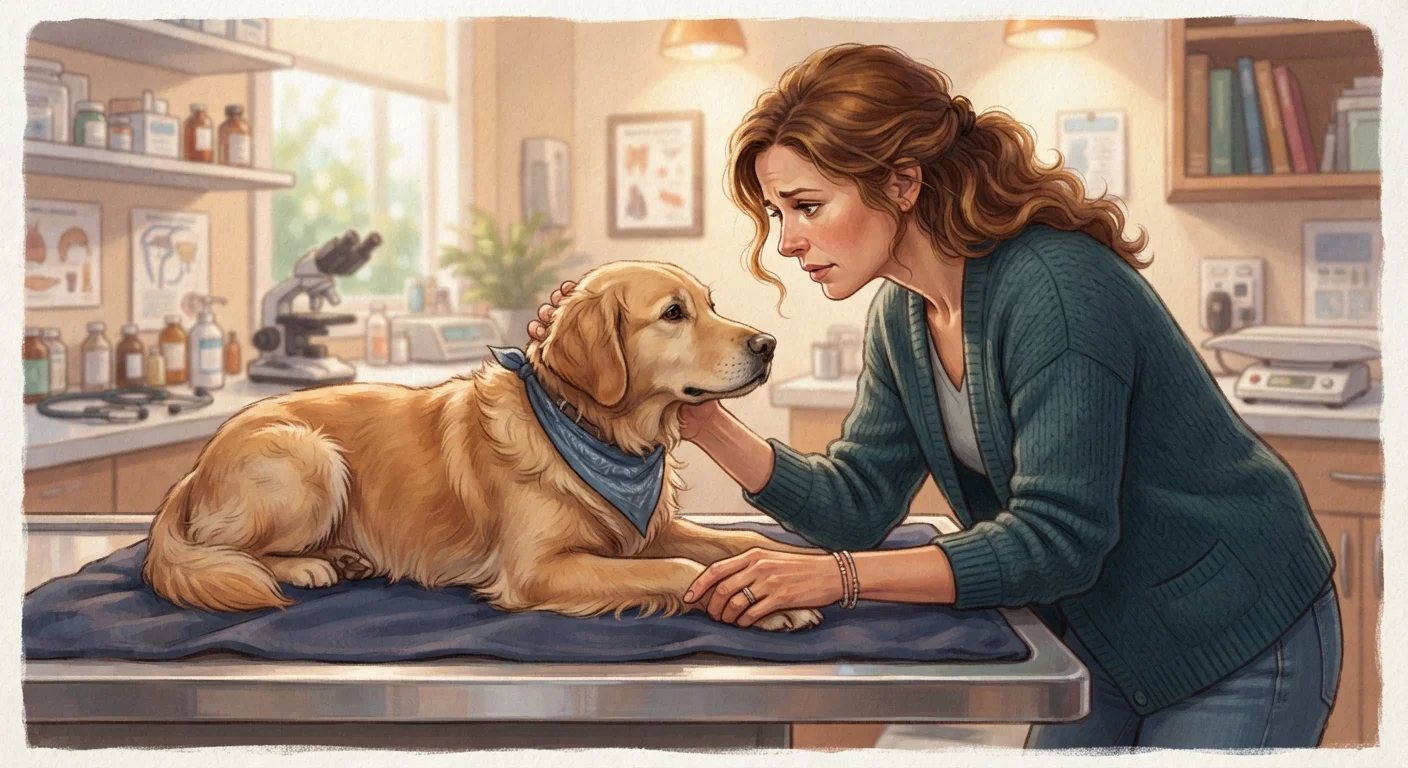
Photo credit: SkripTee.com | Search. Explore. Learn.
Knowing your pet's baseline behaviour helps you spot early warning signs. This overview covers common indicators that warrant a vet visit — not a home remedy.
Key Takeaways
- Your pet's individual baseline - appetite, energy, bathroom habits - is the most important reference point.
- Subtle behavioral changes often signal illness before obvious physical symptoms appear.
- Many warning signs warrant a vet call within 24 hours rather than a wait-and-see approach.
- Senior pets and very young animals may show illness differently and need closer monitoring.
- Home remedies are rarely appropriate - a vet consultation is the safest first step.
Why Knowing Your Pet's Normal Matters
You live with your pet every day, which makes you uniquely positioned to notice when something shifts. A veterinarian sees your animal for minutes a year - you observe them for hours every day. That advantage only works, though, when you have a clear sense of what their personal baseline looks like.
"Normal" varies widely between individual animals. One dog may eat enthusiastically at every meal; another may graze throughout the day. A cat who naps 16 hours is healthy; one who suddenly sleeps far more than usual may not be. The goal isn't to memorize species-wide averages - it's to know your pet.
If you've recently welcomed an animal into your home, our guide to the first week with a new pet walks through what typical adjustment looks like versus early warning signs worth noting. For broader health guidance, the Pet Health & Care hub is a strong starting point.
Below are the most important signals to watch for - and what each one might mean.
Changes in appetite or water intake
A pet that suddenly refuses meals, eats dramatically less, or - equally concerning - begins eating or drinking significantly more than usual deserves attention. Increased thirst in dogs and cats can be an early indicator of conditions such as kidney disease or diabetes. A single skipped meal rarely signals illness, but two or more in a row, or a clear pattern of reduced interest, warrants a call to your vet.
Track whether the change coincides with a diet switch, new food, or stress - these can cause temporary dips. Persistent changes without an obvious cause are the ones to take seriously.
Two or more skipped meals in a row - without an obvious cause - warrants a vet call.
Shifts in energy or activity level
Lethargy is one of the most common early signs that something is off. If your normally playful dog doesn't want to fetch, or your active cat has stopped jumping onto their favourite perch, note how long it lasts. A quiet day after vigorous exercise is normal; three consecutive low-energy days is not.
On the opposite end, sudden restlessness, pacing, or an inability to settle can also signal discomfort or anxiety. Our article on anxiety in dogs and cats can help distinguish behavioral causes from medical ones.
Three consecutive low-energy days without explanation is a pattern worth investigating with your vet.
Bathroom habit changes
Changes in urination or defecation frequency, consistency, color, or effort are among the most informative health signals pets provide. Straining to urinate - particularly in male cats - can be a medical emergency requiring immediate care. Diarrhea lasting more than 24 hours, blood in stool or urine, or constipation extending beyond two days are all reasons to contact your vet promptly.
House-trained pets having accidents indoors may be experiencing a physical health issue rather than a behavioral lapse. Don't default to discipline - rule out a medical cause first.
A house-trained pet having indoor accidents may be signaling a health issue, not a behavioral one.
Coat, skin, and eye changes
A healthy coat is generally smooth and consistent for the breed. Sudden excessive shedding, dull or brittle fur, bald patches, persistent scratching, or visible skin redness can reflect allergies, parasites, nutritional deficiencies, or hormonal imbalances. These don't always look dramatic at first - run your hands along your pet's body regularly so you notice texture and coat density changes early.
Eyes should be clear and bright. Cloudiness, persistent discharge, squinting, or redness can indicate infection, injury, or systemic illness. Any eye symptom that lasts more than a day deserves professional attention.
Run your hands along your pet's coat regularly - early texture changes are often the first visible clue.
Vomiting or coughing that recurs
Occasional vomiting - particularly in cats who groom heavily - can be normal. Recurrent vomiting, vomiting with blood, or vomiting paired with lethargy or appetite loss is not. Similarly, a brief cough after drinking water is usually harmless, but a persistent or productive cough, especially in cats (where coughing is less typical than in dogs), warrants investigation.
Note the frequency, timing, and whether the episode produces anything. This information helps your vet considerably. Our guide to pet first aid covers when you can support your pet at home and when you should not wait.
Recurrent vomiting paired with lethargy or appetite loss is never something to watch and wait on.
Behavioral or temperament changes
A friendly animal who becomes withdrawn, or a calm pet who suddenly shows aggression, may be communicating pain or distress rather than a personality shift. Animals instinctively conceal vulnerability - a behavior rooted in survival instinct - so behavioral withdrawal is often the first sign of illness, not the last.
If the changes are more behavioral in nature without clear physical signs, professional behavioral support may also be relevant. For dogs specifically, understanding body language signals provides important context - see our canine body language field guide. Senior animals showing confusion or memory-like lapses should be evaluated for age-related cognitive changes - for more on that, see caring for a senior pet.
Behavioral withdrawal is often the first sign of illness - animals instinctively conceal vulnerability.
When to Act - and What Not to Do
Most of the signs above don't demand a frantic emergency visit, but they do deserve a prompt phone call to your veterinarian. Describing what you've observed - including when it started, how often it occurs, and any recent changes in diet or environment - gives the vet the context to advise you on next steps.
Keep a Simple Health Log
A brief daily or weekly note about your pet's appetite, energy, bathroom habits, and mood takes minutes but builds an invaluable reference. When you call your vet, having specific dates and patterns on hand makes the conversation far more productive. A notes app on your phone works perfectly well for this.
What the signs above should not prompt is a home-remedy search. Well-intentioned treatments - human medications, herbal supplements, dietary changes without guidance - can mask symptoms, delay diagnosis, or cause harm. When in doubt, the answer is a vet conversation, not a Google deep-dive.
If your animal is showing signs that might indicate pain rather than general illness, our companion article on signs your pet may be in pain covers those cues in detail. And if a vet has confirmed a long-term diagnosis, managing a chronically ill pet at home provides practical guidance for what comes next.
This article is for general informational purposes only and is not a substitute for professional veterinary advice. Always consult a licensed veterinarian regarding your pet's health, symptoms, or treatment.

Author
Pets Editorial Team
Pets Editorial Team is the collective byline for our editorial team and contributor network. Articles published under this byline or an editorial pen name are researched, written, and reviewed according to our editorial standards for clarity, consistency, and independence before publication.
View all articles →