
The Home Buying Process, From Offer to Closing
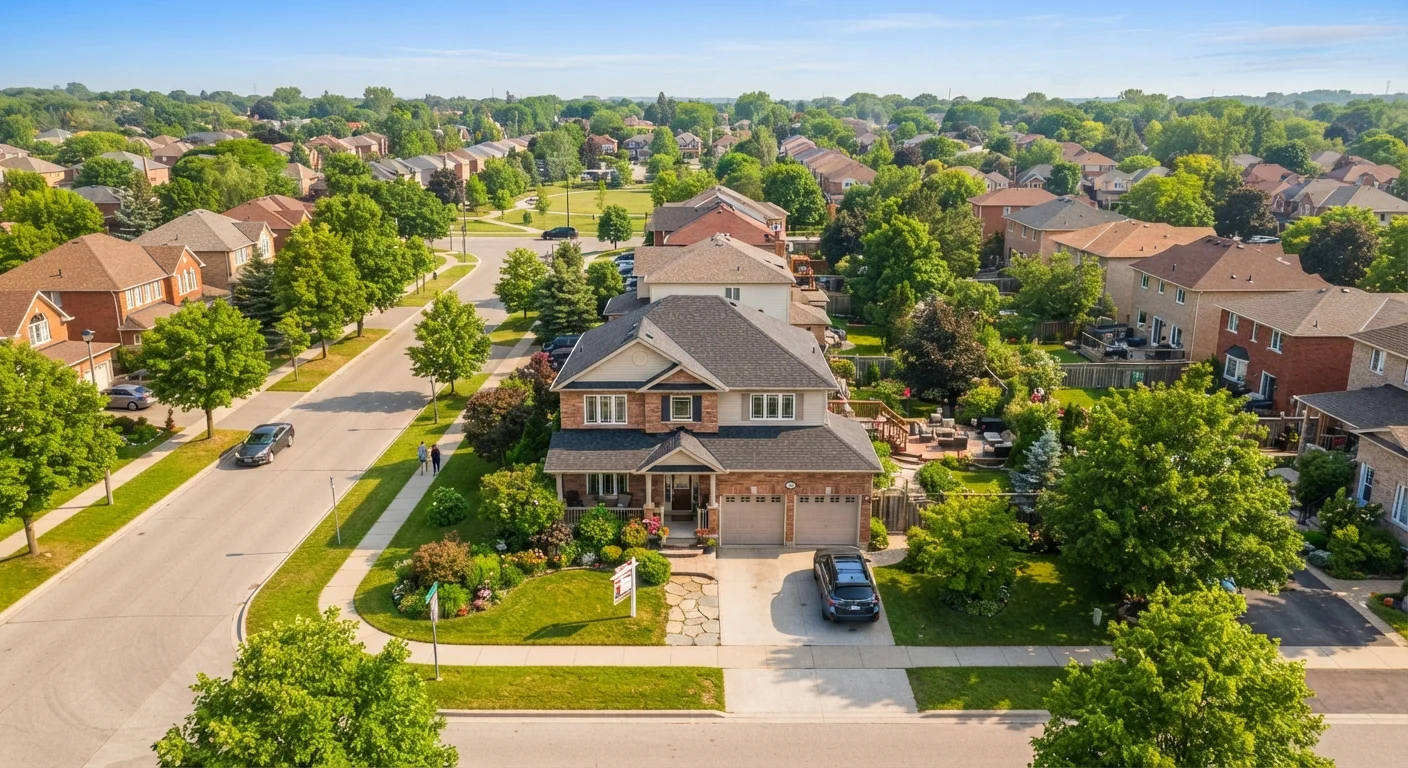
Photo credit: SkripTee.com | Search. Explore. Learn.
In this article
A clear walkthrough of every stage in a home purchase, so you know what to expect from your first offer through to getting the keys.
Key Takeaways
- A strong offer includes more than price - contingencies and timing matter equally.
- The inspection period is your primary window to uncover problems and renegotiate.
- Mortgage underwriting typically takes 30-45 days and requires careful document preparation.
- Closing costs generally run 2-5% of the loan amount on top of your down payment.
- A final walkthrough before closing confirms the property's condition matches expectations.
Making Your Offer
Once you've found a home you want to buy, the process shifts from searching to negotiating. Before you submit an offer, review comparable sales in the neighborhood - commonly called "comps" - to anchor your price in market reality. Your agent or representative can pull this data and advise on whether the listing price is fair, high, or a genuine deal.
Your offer will specify the purchase price, proposed closing date, earnest money deposit (typically 1-3% of the purchase price held in escrow), and any contingencies you want included. Common contingencies include financing, inspection, and appraisal - each giving you a defined exit if conditions aren't met.
Submit your offer with a personalized letter from the seller's perspective - understand their timeline, not just your price target. A seller who needs a flexible closing date may value that accommodation more than a marginally higher bid.
In competitive markets, non-price terms often determine which offer a seller accepts. Agents consistently report that closing flexibility and certainty of financing can outweigh small price differences.
Get rate-lock terms in writing from your lender before going under contract. Rate locks typically run 30-60 days, and if closing is delayed beyond that window, you may face extension fees or lose the locked rate entirely.
Rate lock expirations are a common source of unexpected costs and stress during the closing period, particularly when transactions involve title issues or repair negotiations that push timelines.
Don't overlook the importance of asking the right questions before committing. Our guide on what to ask before making an offer covers the property, neighborhood, and seller details that can prevent expensive surprises.
The Purchase Agreement
When the seller accepts your offer, both parties sign a purchase agreement - a legally binding contract that spells out the terms of the sale. This document governs everything until closing, so read it carefully before signing.
Key elements include:
- Purchase price and earnest money: What you've agreed to pay and what's already in escrow.
- Contingencies and deadlines: Each contingency has a specific window - typically 7-21 days - within which you must act or waive it.
- Included fixtures and appliances: Any items staying with the home should be listed explicitly.
- Closing date: Typically 30-60 days from contract execution, though this is negotiable.
Contingency Deadlines Are Binding
Once under contract, each contingency window has a firm deadline. Missing an inspection or financing deadline can result in losing your earnest money deposit or being obligated to proceed with the purchase regardless of what you discover. Track every date on a shared calendar with your agent or attorney.
Once under contract, the clock starts on all your deadlines. Missing a contingency window can mean losing your deposit or being locked into a purchase you weren't prepared for.
Inspection and Due Diligence
The inspection contingency gives you a professional look at the property's physical condition. A licensed home inspector evaluates the structure, roof, electrical systems, plumbing, HVAC, and more. Expect the inspection to take 2-4 hours; attend if you can, since walking through with the inspector builds firsthand understanding of the home's quirks.
After the inspection, you have several options: accept the property as-is, request repairs, ask for a price reduction, or - if issues are significant - withdraw under the contingency. Sellers are not obligated to make every requested repair, so focus negotiations on safety issues and major systems rather than cosmetic concerns.
Don't Waive Your Inspection Lightly
Skipping or waiving the inspection to make your offer more competitive is a significant financial risk. Structural defects, faulty wiring, or hidden water damage can cost tens of thousands of dollars - costs you bear entirely once you've waived your inspection right. If the market requires waiving contingencies, consult a licensed real estate attorney before doing so.
Skipping or waiving the inspection to make your offer more competitive is a significant risk. Structural defects, faulty wiring, or hidden water damage can cost tens of thousands of dollars to remediate - costs you assume entirely if you've waived your inspection right.
Securing Your Mortgage
If you're financing the purchase, your lender begins formal underwriting once you're under contract. This is distinct from pre-approval - underwriting is the full verification of your income, assets, employment, and creditworthiness against the specific property being purchased.
Your lender will order an appraisal to confirm the home's market value supports the loan amount. If the appraisal comes in below the purchase price, you'll need to renegotiate, cover the gap in cash, or exit via the appraisal contingency.
For a practical breakdown of what underwriting involves and what documents you'll need, see our guide to navigating the mortgage application. Also, if you're still sorting out how much to bring to closing, our piece on down payment myths addresses common misconceptions about how much you actually need.
30-45 days
Typical mortgage underwriting timeline
According to the Consumer Financial Protection Bureau, underwriting timelines vary by lender volume, documentation completeness, and appraisal scheduling.
2-5%
Closing costs as a share of loan amount
The CFPB notes that closing costs vary by loan type, location, and lender - buyers should request a Loan Estimate to compare costs across lenders.
1-3%
Typical earnest money deposit range
Earnest money norms vary by market; in highly competitive markets, buyers sometimes offer higher deposits to signal commitment to the seller.
The Closing Process
Once underwriting is complete and all contingencies are cleared, the lender issues a "clear to close" - confirmation that financing is approved and the loan is ready to fund. You'll receive a Closing Disclosure at least three business days before closing, detailing every fee, credit, and cost involved in the transaction.
Review this document closely against the Loan Estimate you received early in the mortgage process. Fees should be consistent; unexplained increases warrant a call to your lender before closing day.
Closing costs typically range from 2-5% of the loan amount and include lender fees, title insurance, recording fees, prepaid taxes, and homeowners insurance. Plan for this figure in addition to your down payment - it's a common source of surprise for first-time buyers.
Budget for Closing Costs Separately
Many first-time buyers are caught off guard by closing costs, which typically run 2-5% of the loan amount on top of the down payment. These costs are due at closing and cannot generally be rolled into the loan without specific loan program provisions. Request a Loan Estimate from your lender early in the process to understand the full cash requirement before closing day.
What to Expect on Closing Day
Closing typically takes place at a title company, attorney's office, or escrow company, depending on your state. You'll sign a substantial stack of documents - the deed of trust or mortgage note, the closing disclosure acknowledgment, and various lender disclosures. Bring a government-issued ID and a cashier's check or be prepared to wire your closing funds in advance.
Before signing, conduct a final walkthrough of the property - ideally within 24 hours of closing. Confirm that agreed repairs were completed, included appliances are present, and the home is in the condition specified in the contract.
Once all documents are signed and funds are disbursed, the deed is recorded with the county and the home is legally yours. The keys change hands, and the process is complete.
“The period between offer acceptance and closing is when most transactions either succeed or fall apart. Buyers who stay organized, responsive, and informed almost always have smoother closings.”
— National Association of Realtors, Industry trade organization representing licensed real estate professionals
This article is for general informational purposes only and does not constitute legal, financial, or real estate advice. Consult a licensed real estate professional, lender, or attorney regarding your specific circumstances.

Author
Real Estate Editorial Team
Real Estate Editorial Team is the collective byline for our editorial team and contributor network. Articles published under this byline or an editorial pen name are researched, written, and reviewed according to our editorial standards for clarity, consistency, and independence before publication.
View all articles →