
Credit Scores Explained: What the Number Actually Measures
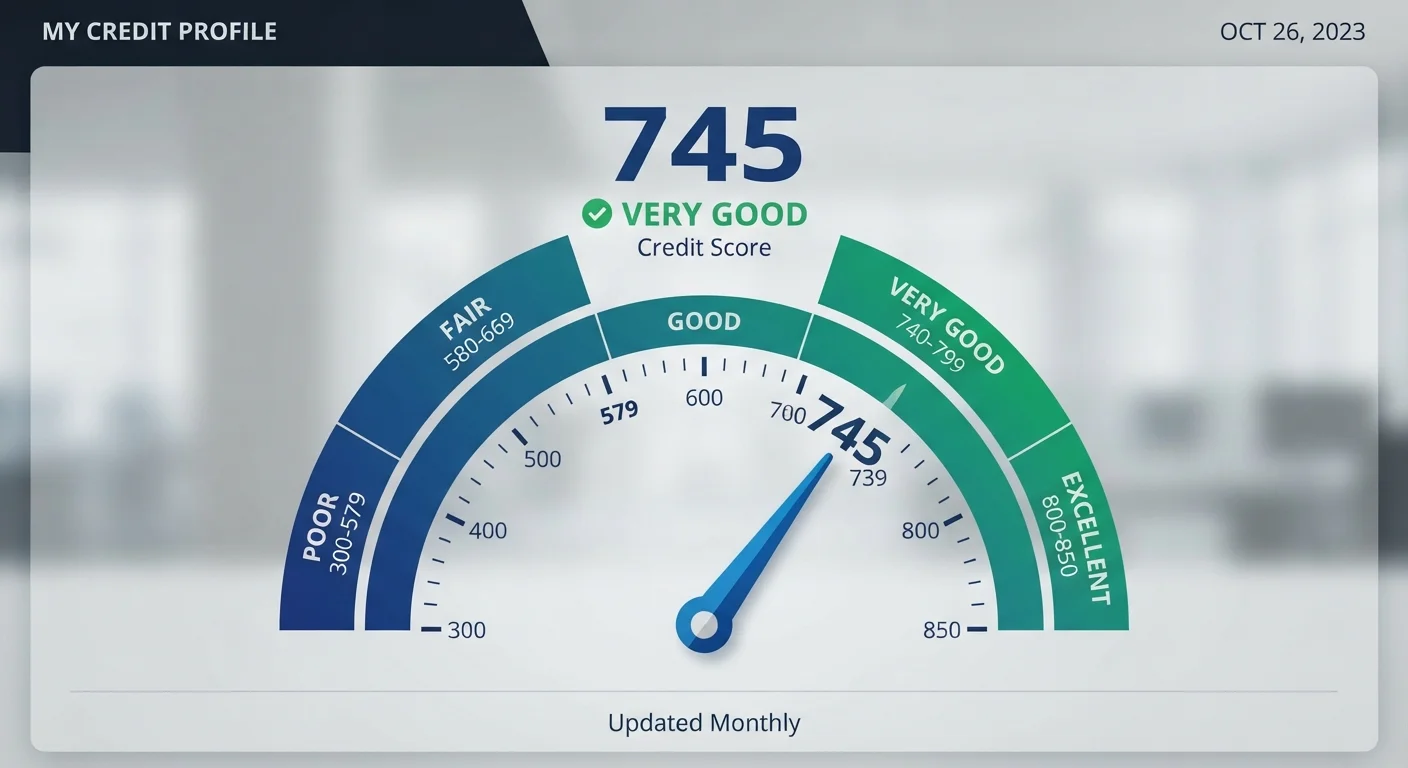
Photo credit: SkripTee.com | Search. Explore. Learn.
In this article
Understand exactly how credit scores are calculated, what factors move them up or down, and why lenders pay close attention to them.
Key Takeaways
- Credit scores range from 300 to 850; scores above 670 are generally considered good by most lenders.
- Payment history is the single largest factor, making up about 35% of a FICO Score.
- Credit utilization - how much of your available credit you're using - is the second biggest factor.
- Hard inquiries from new credit applications can temporarily lower your score.
- A credit score is derived from your credit report, but the two are not the same thing.
- Responsible, consistent behavior over time is the most reliable way to build a strong score.
Where the Number Comes From
Your credit score doesn't come from a single authority - it's calculated by scoring companies using the data in your credit report. The two most widely used models in the U.S. are the FICO Score and VantageScore, both of which pull information from credit reports maintained by the three major bureaus: Equifax, Experian, and TransUnion.
Because each bureau may hold slightly different data about you, and because multiple scoring models exist, you technically have more than one credit score at any time. Lenders choose which model and bureau they rely on, which is why a score you see on a consumer app may differ from what a mortgage lender pulls. Understanding this distinction is part of grasping the fuller picture - see the credit report vs. credit score distinction for a deeper look at how the two relate.
35%
Weight of payment history in a FICO Score
According to FICO's publicly published score factor breakdown, payment history carries more weight than any other single category.
300-850
Standard FICO Score range
FICO Scores fall on this scale; most lenders consider scores of 670 and above as acceptable, with 740+ considered very good.
~30%
Weight of credit utilization in a FICO Score
FICO's model designates 'amounts owed,' which centers on utilization of revolving credit, as the second largest scoring factor.
The Five Factors That Shape Your Score
FICO, the most referenced model, breaks down score calculation into five weighted categories:
- Payment history (≈35%): Whether you pay on time is the most heavily weighted factor. Even one missed payment can meaningfully lower your score. For a detailed look at consequences, see what happens to your score when you miss a payment.
- Amounts owed / Credit utilization (≈30%): This measures how much of your available revolving credit you're using. High utilization signals financial strain to lenders. Learn more in our guide to understanding your credit utilization ratio.
- Length of credit history (≈15%): Older accounts and a longer average account age generally help your score, as they provide more data about your borrowing habits.
- Credit mix (≈10%): Having a variety of account types - credit cards, installment loans, auto loans - can benefit your score, though it's the least critical factor.
- New credit / Hard inquiries (≈10%): Applying for several new accounts in a short window can signal risk and temporarily lower your score.
Focus on the Fundamentals First
If you're working to improve your score, start with the two highest-weighted factors: pay every bill on time and reduce revolving balances. These two behaviors, applied consistently, have the largest potential impact. Chasing quick fixes on lower-weighted factors is rarely as effective as disciplined habits on the basics.
Why Lenders Pay Attention
Lenders use credit scores to make fast, standardized risk assessments. A score helps a lender estimate, based on millions of historical data points, the statistical likelihood that a borrower will repay as agreed. It doesn't predict individual behavior perfectly - it's a probability tool, not a crystal ball.
In practical terms, your score influences whether you're approved for credit and what terms you receive. Borrowers with higher scores tend to qualify for lower interest rates, higher credit limits, and better loan terms. Those with lower scores may face higher rates, stricter requirements, or outright denials. This is why a score that seems like an abstract number has very real financial consequences.
“Credit scores are designed to be a consistent, objective measure of credit risk - they level the playing field by replacing subjective judgment with data-driven analysis.”
— Consumer Financial Protection Bureau, U.S. federal consumer finance regulatory agency
Many popular beliefs about what moves scores up or down don't hold up to scrutiny. Our companion piece on widely believed credit score myths addresses several of the most common misconceptions.
This article is for general informational and educational purposes only and does not constitute personalized financial or credit advice. Consult a qualified financial professional for guidance specific to your situation.
Frequently Asked Questions

Author
Finance Editorial Team
Finance Editorial Team is the collective byline for our editorial team and contributor network. Articles published under this byline or an editorial pen name are researched, written, and reviewed according to our editorial standards for clarity, consistency, and independence before publication.
View all articles →