
What Restaurant Hygiene Ratings Actually Mean
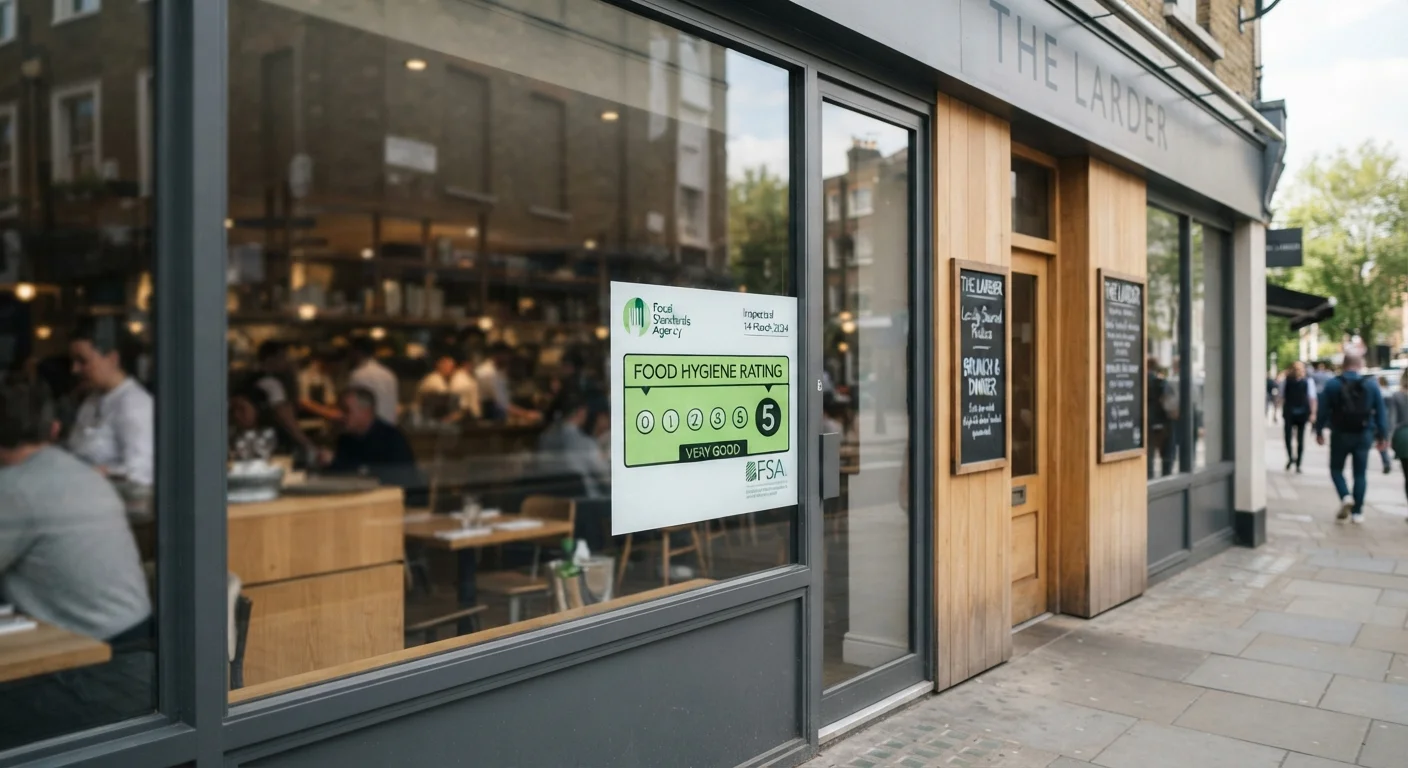
Photo credit: SkripTee.com | Search. Explore. Learn.
In this article
Food hygiene scores appear everywhere, but few diners know how they're calculated. Here's what inspectors look for and how to use the ratings.
How Hygiene Inspections Actually Work
Food hygiene ratings are issued by local or county health departments following unannounced inspections of food service establishments. Inspectors - typically trained sanitarians or environmental health officers - evaluate a restaurant against a standardized checklist that covers everything from food storage temperatures to employee handwashing practices.
In the United States, health inspection systems vary by state and county, which means there is no single national grading scale. Many jurisdictions use a letter-grade system (A, B, C), while others use numeric scores or pass/fail designations. Despite these differences, the underlying criteria are largely consistent, rooted in the FDA's Food Code, which most states adopt in full or with minor modifications.
Inspections are typically unannounced, though a restaurant that recently passed an inspection is statistically less likely to be revisited within the same quarter. Frequency varies: high-risk establishments (those serving raw or undercooked proteins, sushi, or buffet-style food) may be inspected three or more times per year, while lower-risk operations might be visited annually.
| Governing framework (US) | FDA Model Food Code (FDA, current edition adopted by most US states) |
| Common grading systems | Letter grades (A-C), numeric scores (0-100), pass/fail (Varies by state and county) |
| Inspection frequency (high-risk) | Up to 3-4 times per year (Typical for full-service restaurants with raw protein handling) |
| Public record status | Yes - accessible via local health department portals (Varies by jurisdiction) |
| Most common critical violation | Improper food holding temperatures (Widely cited across state health department annual reports) |
What Inspectors Evaluate: The Core Categories
Inspection reports are broken into weighted violation categories. Understanding these categories helps you read a score with real context rather than treating it as a single pass/fail verdict.
Critical violation
An inspection finding that poses a direct risk of foodborne illness, such as unsafe holding temperatures or cross-contamination. These are weighted heavily in scoring and often require immediate corrective action.
Non-critical violation
A lower-priority finding that does not pose an immediate health risk but indicates a lapse in best practices, such as missing labels or minor equipment issues.
FDA Food Code
A model set of food safety regulations published by the U.S. Food and Drug Administration that most states use as the basis for their own restaurant inspection standards.
Repeat violation
A cited deficiency that was also identified during a previous inspection of the same establishment, indicating a pattern rather than an isolated incident.
Sanitarian
A trained environmental health professional who conducts food safety inspections on behalf of local or state health departments.
- Critical violations are the most serious findings. These are conditions directly linked to foodborne illness risk - improper holding temperatures, cross-contamination between raw and ready-to-eat foods, or evidence of pest activity. A single critical violation can significantly lower a score or trigger a required re-inspection.
- Non-critical violations cover issues like missing date labels, minor equipment wear, or inadequate lighting. These don't pose an immediate health risk but can escalate if left unaddressed.
- Repeat violations carry additional weight in most systems. A restaurant that has been cited for the same issue across multiple inspections signals a systemic problem, not a one-time lapse.
Inspection reports are public records. Many jurisdictions publish them online, and platforms such as local health department portals allow you to search by restaurant name or address. Cross-referencing a rating with the underlying report gives you far more useful information than the letter grade alone.
When evaluating a restaurant, pair this knowledge with what you observe in the dining room. For a broader look at how to read between the lines at restaurants, see our guide on common restaurant kitchen myths.
Using Ratings Intelligently as a Diner
A single inspection score is a snapshot in time, not a permanent assessment of a kitchen's safety culture. A restaurant that earned a B after a recent change in management may actually be improving, while one that holds an A might have passed inspection the day before a problem developed.
Inspections Capture a Moment, Not a Pattern
A single inspection visit typically lasts two to four hours and reflects conditions at that point in time. Kitchen practices, staffing, and management quality can all shift between visits. Reviewing multiple inspection cycles - usually available through your local health department's online portal - provides a more reliable picture of a restaurant's ongoing food safety standards.
That context matters when you're deciding where to eat. Here's how to use hygiene data more effectively:
- Look at the trend, not just the grade. If a restaurant has moved from C to A over the past two inspection cycles, that trajectory tells a meaningful story about operational improvement.
- Read the violation details. A restaurant that lost points for a broken floor tile is in a very different position from one cited for improper cooling of cooked chicken. Both might carry the same numeric deduction.
- Consider voluntary posting. In states where displaying hygiene grades is mandatory, non-compliance itself is a red flag. Where posting is voluntary, a restaurant that proactively displays its certificate is signaling confidence in its record.
Hygiene ratings are one signal among many. Just as online restaurant reviews require critical reading, inspection scores deserve thoughtful interpretation rather than reflexive judgment. A well-informed diner uses both together.
This article provides general food safety information for educational purposes. For questions about specific health violations or foodborne illness concerns, contact your local health department directly.

Author
Food Editorial Team
Food Editorial Team is the collective byline for our editorial team and contributor network. Articles published under this byline or an editorial pen name are researched, written, and reviewed according to our editorial standards for clarity, consistency, and independence before publication.
View all articles →