
Understanding Calories: Energy In, Energy Out, and Why It's Not the Whole Story
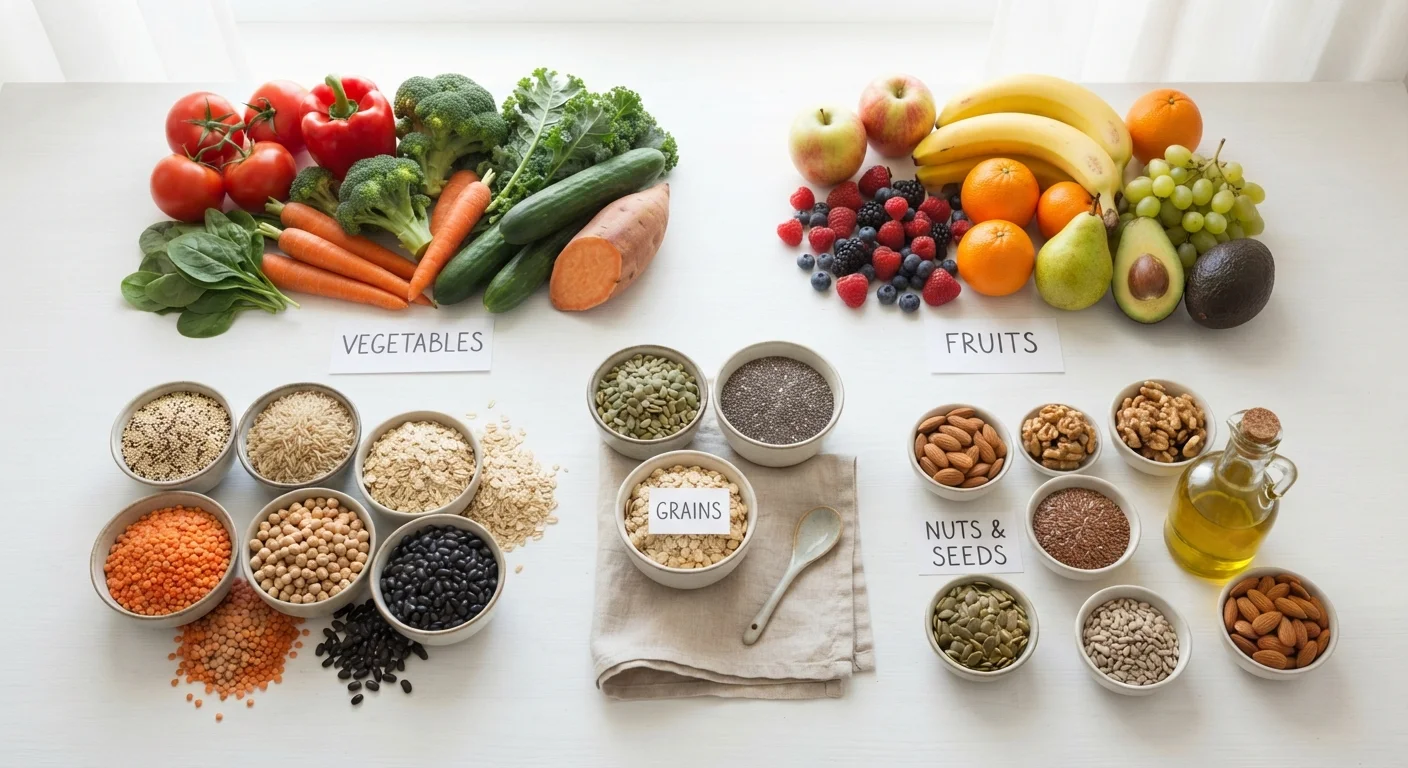
Photo credit: SkripTee.com | Search. Explore. Learn.
In this article
A grounded look at what a calorie is, how the body uses energy, and why calorie counting alone doesn't capture nutrition quality.
Key Takeaways
- A calorie measures energy - it is a unit of measurement, not a nutrient itself.
- Your body's calorie needs vary based on age, sex, body composition, and activity level.
- Two foods with identical calorie counts can have very different effects on hunger, metabolism, and health.
- Calorie counting is a useful framework but does not capture food quality or nutrient density.
- Consult a registered dietitian for personalized guidance on energy intake and dietary patterns.
What a Calorie Actually Is
The word "calorie" appears on nearly every food package in America, yet its meaning is frequently misunderstood. A calorie is simply a unit of measurement - specifically, a measure of energy. When a nutrition label reads 250 calories, it is telling you how much energy that food can supply your body upon digestion.
Calories come from three macronutrients: carbohydrates, protein, and fat. Alcohol also contributes energy at roughly 7 kilocalories per gram. Understanding how each macronutrient contributes energy is the foundation of nutrition literacy - and our guide to macronutrients breaks down the distinct roles each one plays in the body.
~60-70%
of daily calories burned at rest (BMR)
According to the National Institutes of Health, basal metabolic rate accounts for the majority of total daily energy expenditure for most adults.
9 kcal/g
Energy per gram of dietary fat
The Atwater general factor system establishes that fat is more than twice as energy-dense as carbohydrates or protein, each of which provides approximately 4 kcal per gram.
~10%
Energy used to digest food (thermic effect)
The thermic effect of food - the energy cost of digestion and absorption - typically represents around 10 percent of total daily calorie expenditure, varying by macronutrient composition.
How Your Body Uses Energy
Total daily energy expenditure has three main components. The largest - typically 60 to 70 percent - is your basal metabolic rate (BMR), the calories burned at rest to keep vital systems running. The second component is the thermic effect of food, the energy cost of digesting and absorbing nutrients, which accounts for roughly 10 percent of daily expenditure. The third is activity-based expenditure, covering both intentional exercise and non-exercise movement like standing and fidgeting.
These proportions vary meaningfully between individuals. Lean muscle mass, age, hormonal status, and genetics all influence BMR. This is why two people of similar weight can have noticeably different calorie needs - and why population averages are a starting point, not a prescription.
Focus on Pattern, Not Perfection
Rather than tracking every calorie, nutrition researchers and registered dietitians often recommend focusing on overall dietary patterns - emphasizing whole foods, adequate protein, fiber, and healthy fats. Small, consistent choices over time have a larger cumulative effect than any single meal. If you are unsure where to start, a registered dietitian can help you build a practical, sustainable approach.
Why Calorie Counting Doesn't Tell the Whole Story
The energy-balance model - calories in versus calories out - is scientifically grounded, but it omits critical variables that shape how food affects your body. Consider two 300-calorie meals: one consisting of refined crackers and sugary juice, the other of eggs, leafy greens, and olive oil. Both register identically on a calorie counter. Their effects on blood sugar, satiety hormones, and micronutrient intake are not identical.
Food quality shapes how efficiently calories are absorbed, how quickly hunger returns, and whether the body receives adequate vitamins, minerals, fiber, and phytonutrients. Research consistently shows that diets built around whole, minimally processed foods are associated with better long-term health outcomes - independent of calorie intake. When you read a food label, the calorie line is one data point among many; our article on reading a nutrition label explains what the other numbers mean and how to use them together.
“A calorie is a calorie in the sense of energy equivalence - but the foods that deliver those calories carry vastly different nutritional information that influences metabolism, appetite, and health in ways a single number cannot capture.”
— Walter Willett, Professor of Epidemiology and Nutrition, Harvard T.H. Chan School of Public Health
Putting Energy Balance in Practical Context
Understanding calories provides a useful framework without requiring obsessive tracking. Awareness of approximate energy density - the calories per gram of a food - can guide food choices intuitively. Vegetables and fruits tend to be low in energy density and high in water and fiber, supporting fullness with fewer calories. Processed snacks and fried foods tend to be high in energy density, delivering more calories with less satiety.
For those seeking to understand how food choices connect to daily energy levels, our evidence-informed eating for energy guide explores how meal composition and timing interact with how you feel throughout the day. The goal of calorie literacy is not anxiety about numbers - it is informed decision-making that serves your overall dietary pattern.
This article is for general informational and educational purposes only and is not a substitute for personalized medical or dietary advice. Consult a registered dietitian or qualified healthcare professional before making significant changes to your diet.
Frequently Asked Questions

Author
Food Editorial Team
Food Editorial Team is the collective byline for our editorial team and contributor network. Articles published under this byline or an editorial pen name are researched, written, and reviewed according to our editorial standards for clarity, consistency, and independence before publication.
View all articles →