
Protein Sources Compared: Animal, Plant, and Everything in Between
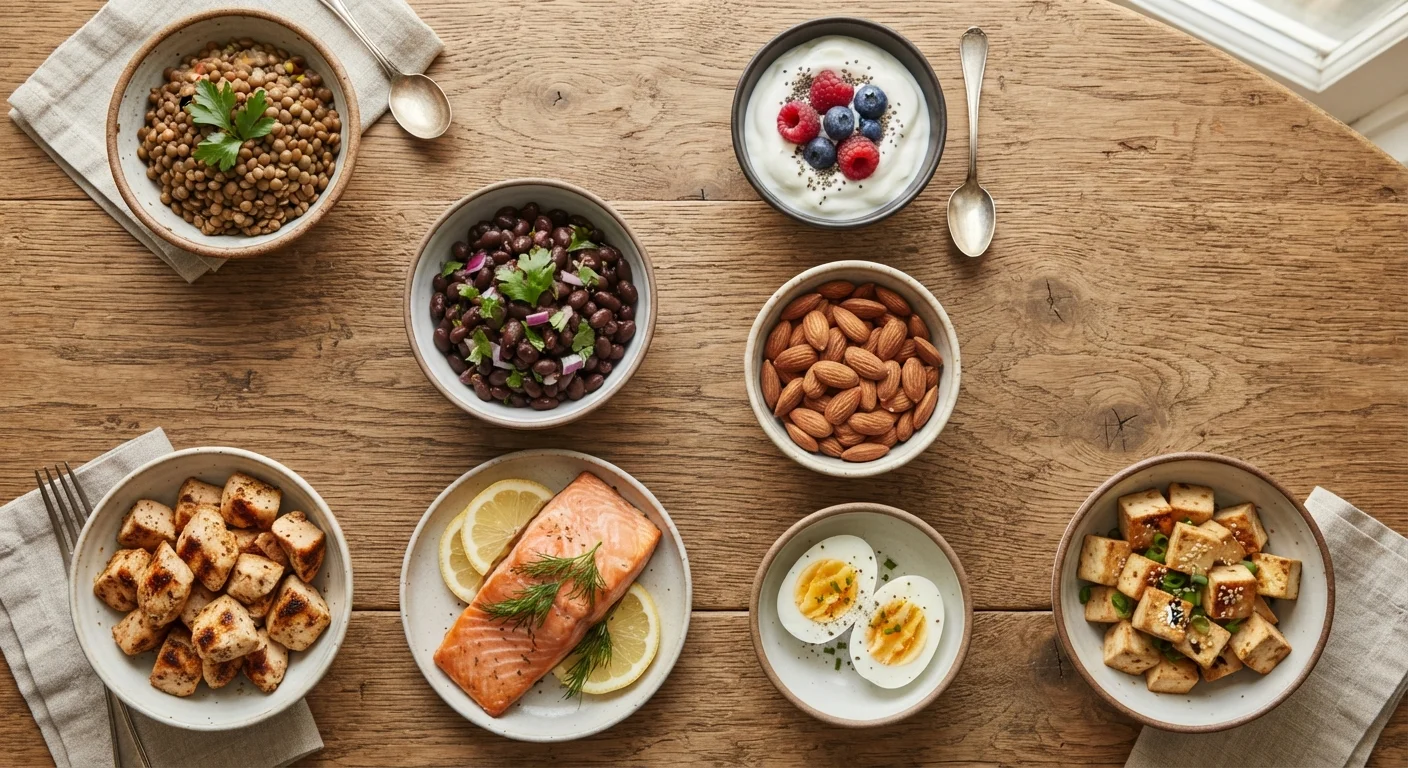
Photo credit: SkripTee.com | Search. Explore. Learn.
In this article
A balanced look at how different protein sources — meat, legumes, dairy, and more — stack up nutritionally for everyday diets.
Key Takeaways
- Animal proteins are generally 'complete,' supplying all essential amino acids in a single food.
- Most plant proteins can complement each other across a day's meals to cover all essential amino acids.
- Digestibility and overall nutrient context matter as much as raw protein quantity.
- No single protein source is universally superior - dietary goals and individual health needs vary.
- Consulting a registered dietitian can help tailor protein choices to your specific circumstances.
What Makes a Protein Source 'Good'?
Protein quality is evaluated on more than grams per serving. Nutrition scientists look at two core factors: amino acid profile and digestibility. The human body requires nine essential amino acids it cannot manufacture itself; foods that supply all nine in adequate amounts are called complete proteins. Digestibility - how efficiently the body actually absorbs and uses those amino acids - is captured by a metric called the Digestible Indispensable Amino Acid Score (DIAAS), which the Food and Agriculture Organization recognizes as the current scientific standard.
Beyond protein quality, the broader nutritional context of a food - its saturated fat content, fibre, vitamins, and minerals - shapes its overall contribution to health. Understanding these layers helps consumers move past simplistic rankings. For a broader view of how protein fits into a full diet, see building a nutritionally balanced plate.
Animal Proteins: Nutritional Profile and Considerations
Meat, poultry, fish, eggs, and dairy are all complete proteins with high DIAAS scores. Fatty fish such as salmon and sardines add omega-3 fatty acids alongside protein, which research consistently associates with cardiovascular and cognitive health. Eggs provide a highly bioavailable protein alongside choline, an important nutrient for brain function. Dairy offers calcium and vitamin D in addition to its protein contribution.
The considerations are equally real. Processed and red meats carry well-documented associations with increased colorectal cancer risk, according to the World Health Organization's classification. High saturated fat intake from certain animal products is linked to elevated LDL cholesterol in some individuals. Choosing leaner cuts, opting for fish regularly, and moderating processed meat intake are strategies supported by mainstream dietary guidelines in the United States.
Watch for Processed Meat Intake
The WHO classifies processed meats (bacon, sausage, deli meats) as Group 1 carcinogens based on consistent evidence linking regular consumption to colorectal cancer risk. Most dietary guidelines recommend limiting these foods rather than eliminating all meat. Moderation and food context matter - speak with your doctor if you have specific concerns.
Plant Proteins: Strengths, Gaps, and Smart Combinations
Legumes (lentils, chickpeas, black beans), soy products (tofu, edamame, tempeh), nuts, seeds, and whole grains all contribute meaningful protein. Soy is a notable exception among plant sources - it is a complete protein with a DIAAS comparable to many animal foods. Most other plant proteins are lower in one or more essential amino acids, but this gap is bridged easily across a day's varied eating: rice and beans, for instance, cover each other's amino acid shortfalls.
Plant proteins come packaged with dietary fibre, phytonutrients, and generally lower saturated fat - attributes associated with reduced risk of heart disease and type 2 diabetes in large observational studies. The caveat is that some plant proteins have lower overall digestibility than animal counterparts, partly due to antinutrients like phytates. Soaking, sprouting, and cooking legumes reduces these compounds significantly.
| Meat & Poultry | Fish & Seafood | Eggs & Dairy | Legumes | Soy Products | Nuts & Seeds | |
|---|---|---|---|---|---|---|
| Complete protein? | Yes | Yes | Yes | No (pair foods) | Yes | No (pair foods) |
| Digestibility (DIAAS) | High | High | High | Moderate | High | Moderate |
| Saturated fat | Varies (low-high) | Generally low | Low-moderate | Very low | Low | Varies |
| Dietary fibre | None | None | None | High | Moderate | Moderate-high |
| Key micronutrients | Iron, B12, zinc | Omega-3, iodine | Calcium, D, choline | Folate, iron, potassium | Iron, calcium, isoflavones | Magnesium, vitamin E |
| Cost accessibility | Moderate-high | Moderate-high | Low-moderate | Low | Low-moderate | Moderate |
For guidance on distinguishing evidence-backed nutrition claims from trends, see separating solid evidence from diet trends.
Hybrid and Emerging Options
Eggs and dairy straddle the animal-plant divide in practical terms - many flexitarian and vegetarian eaters rely on them as convenient complete-protein anchors. Greek yogurt, cottage cheese, and hard-boiled eggs are portable, minimally processed options with well-established nutrient profiles.
Protein powders derived from whey, casein, pea, or rice are widely used but are not nutritionally equivalent to whole foods, which deliver fibre, micronutrients, and satiety alongside protein. Whole-food sources should form the foundation of most people's diets, with supplements serving a secondary role where genuine dietary gaps exist - a conversation best had with a registered dietitian. For context on how whole-food choices compare to heavily processed alternatives, see what the evidence says about whole foods vs. ultra-processed foods.
Vary Your Protein Sources Throughout the Week
Rotating between animal and plant proteins naturally diversifies the vitamins, minerals, and beneficial compounds in your diet. A practical approach: aim to include at least two to three plant-based protein meals per week alongside your usual choices. Small, sustainable shifts tend to be more effective than complete dietary overhauls.
Building variety into your protein choices - across animal and plant sources where appropriate to your diet - is one of the most consistently supported principles in nutrition science. Practical approaches to a varied plate can help you apply this without overhauling your eating habits.
This article is for general informational and educational purposes only and is not a substitute for professional medical or dietary advice. Consult a qualified healthcare professional or registered dietitian before making significant changes to your diet.

Author
Health Editorial Team
Health Editorial Team is the collective byline for our editorial team and contributor network. Articles published under this byline or an editorial pen name are researched, written, and reviewed according to our editorial standards for clarity, consistency, and independence before publication.
View all articles →