
Core vs. Non-Core Vaccines: Understanding Your Pet's Immunisation Schedule
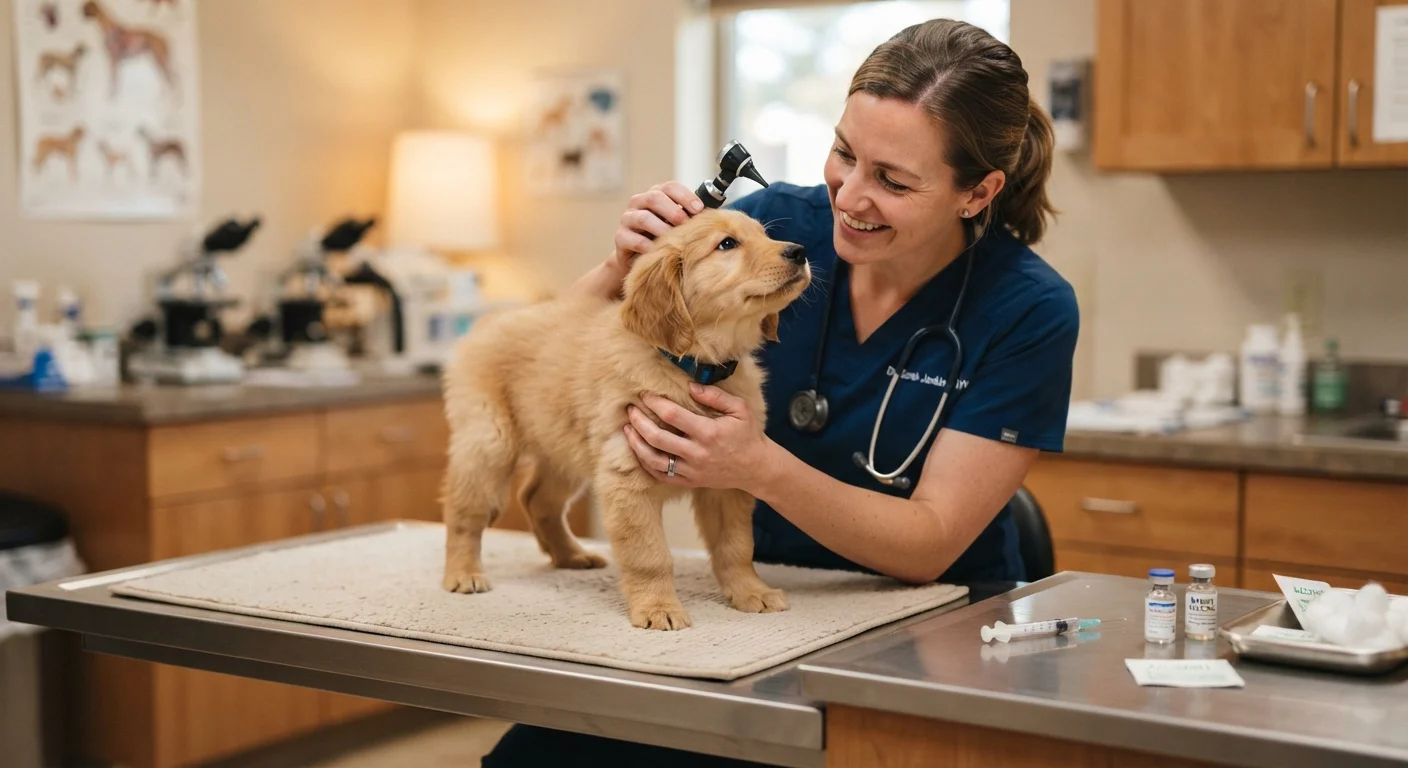
Photo credit: SkripTee.com | Search. Explore. Learn.
In this article
Not every vaccine suits every pet. Understand which vaccinations vets consider essential and which depend on your animal's lifestyle and risk factors.
Key Takeaways
- Core vaccines are recommended for all pets because the diseases they prevent are serious, widespread, or transmissible to humans.
- Non-core vaccines are selected based on your pet's lifestyle, geographic location, and individual risk assessment.
- Your veterinarian is the right person to determine which non-core vaccines make sense for your specific animal.
- Vaccine schedules differ between dogs, cats, and other species - never assume one plan fits all pets.
- Even core vaccines follow booster schedules; staying current matters as much as starting the series.
- Annual wellness exams are the best opportunity to review and update your pet's immunisation plan.
What Makes a Vaccine 'Core' or 'Non-Core'?
The distinction isn't about importance in an absolute sense - it's about universal applicability. Core vaccines protect against diseases that are either highly contagious, potentially fatal, have no reliable treatment, or can spread from animals to people (a property called zoonosis). Because these risks apply regardless of where a pet lives or how it spends its time, veterinary guidelines recommend them for essentially every animal in that species category.
Non-core vaccines, by contrast, protect against diseases where exposure depends heavily on individual circumstances. A dog who never leaves a suburban backyard faces very different risks than one who hikes trails, swims in lakes, or stays in boarding kennels. Non-core vaccines allow your vet to build a protocol that reflects your pet's actual life - not a one-size-fits-all template.
Guidance in the US is shaped by organisations such as the American Animal Hospital Association (AAHA) and the American Association of Feline Practitioners (AAFP), which publish vaccine guidelines that practising vets use as a reference. These are updated periodically as new evidence emerges. Your vet interprets those guidelines in the context of your specific pet - which is why the conversation at each visit matters so much. See what your pet's annual wellness exam actually covers to understand how vaccination review fits into routine care.
Core vs. Non-Core at a Glance
The table below summarises commonly recognised core and non-core vaccines for dogs and cats. It is a general educational overview - your vet's recommendations may differ based on regional disease patterns and your pet's health history.
| Criterion | Core Vaccines | Non-Core Vaccines |
|---|---|---|
| Applicability | Recommended for all pets in that species | Selected based on individual risk factors |
| Dog examples | Rabies, DA2PP (distemper, adenovirus, parvovirus, parainfluenza) | Bordetella, Lyme, leptospirosis, canine influenza |
| Cat examples | Rabies, FVRCP (feline viral rhinotracheitis, calicivirus, panleukopenia) | FeLV (feline leukemia virus), Chlamydia felis, Bordetella |
| Risk basis | Universal - disease severity, contagion, or zoonotic risk | Lifestyle, environment, geography, and social exposure |
| Legal status | Rabies legally required in most US jurisdictions | No legal mandate; vet-guided recommendation only |
| Reassessment frequency | Schedules are standardised; rarely change | Should be revisited at each annual wellness visit |
It's worth noting that the rabies vaccine occupies a unique position: it is both a core vaccine and legally required in most US states for dogs, and in many jurisdictions for cats as well. Requirements vary by state and county, so checking local regulations is always a smart step.
How Your Vet Decides Which Non-Core Vaccines to Recommend
A thorough lifestyle assessment drives non-core vaccine decisions. Expect your vet to ask questions such as: Does your pet go to grooming salons or boarding facilities? Do you hike or camp together? Does your dog swim in ponds or puddles? Are there wildlife interactions - deer, rodents, or raccoons near your property? Do you travel to other states or countries?
~50 states
US states requiring rabies vaccination for dogs
Rabies vaccination is legally mandated for dogs in virtually all US states, with specific requirements varying by jurisdiction.
3 years
Booster interval for many core vaccines after initial series
AAHA guidelines indicate that many core vaccines in dogs and cats provide protection lasting up to three years after the initial adult booster, though some require annual renewal.
~500,000
Estimated US dogs diagnosed with Lyme disease annually
The Companion Animal Parasite Council estimates that several hundred thousand dogs test positive for Lyme disease each year in the US, underscoring the value of risk-based non-core vaccination.
Geographic factors carry particular weight. Lyme disease, for example, is far more prevalent in the Northeast and Upper Midwest, making the Lyme vaccine a more pressing discussion for dogs in those regions than for pets in drier, tick-sparse climates. Leptospirosis risk tends to be higher in areas with heavy rainfall and standing water where wildlife congregate. Your vet's familiarity with local disease patterns is genuinely valuable here - another reason that choosing a veterinary practice thoughtfully pays off over the long term.
Health status also matters. Immunocompromised pets, pregnant animals, or those with certain chronic conditions may need modified protocols. Always share your pet's full health history so your vet can make appropriately cautious decisions.
Keeping the Schedule Current - and Budgeting for It
Vaccination isn't a one-time event. Initial puppy and kitten series require multiple doses spaced weeks apart to build effective immunity. After that, boosters are given at intervals that vary by vaccine - some annually, some every three years - based on how long protection is thought to last and regulatory requirements.
Missing boosters can mean restarting a series rather than simply catching up, so consistency genuinely matters. Building your pet's vaccination appointments into the same rhythm as their annual wellness exam is a practical way to stay on track. Don't hesitate to ask your vet for a written schedule you can keep at home.
The cost of staying current can add up, particularly with non-core vaccines factored in. If you're weighing how to manage ongoing veterinary expenses, it's worth reading about pet insurance versus a dedicated savings fund - and what pet insurance typically covers - so you can plan accordingly. Preventive care like vaccination is also closely connected to parasite prevention, another area where risk-based decisions shape the right approach.
This article provides general educational information about pet vaccinations and is not a substitute for professional veterinary advice. Always consult a licensed veterinarian for guidance tailored to your specific pet's health needs and circumstances.

Author
Pets Editorial Team
Pets Editorial Team is the collective byline for our editorial team and contributor network. Articles published under this byline or an editorial pen name are researched, written, and reviewed according to our editorial standards for clarity, consistency, and independence before publication.
View all articles →