
What Your Pet's Annual Wellness Exam Actually Covers
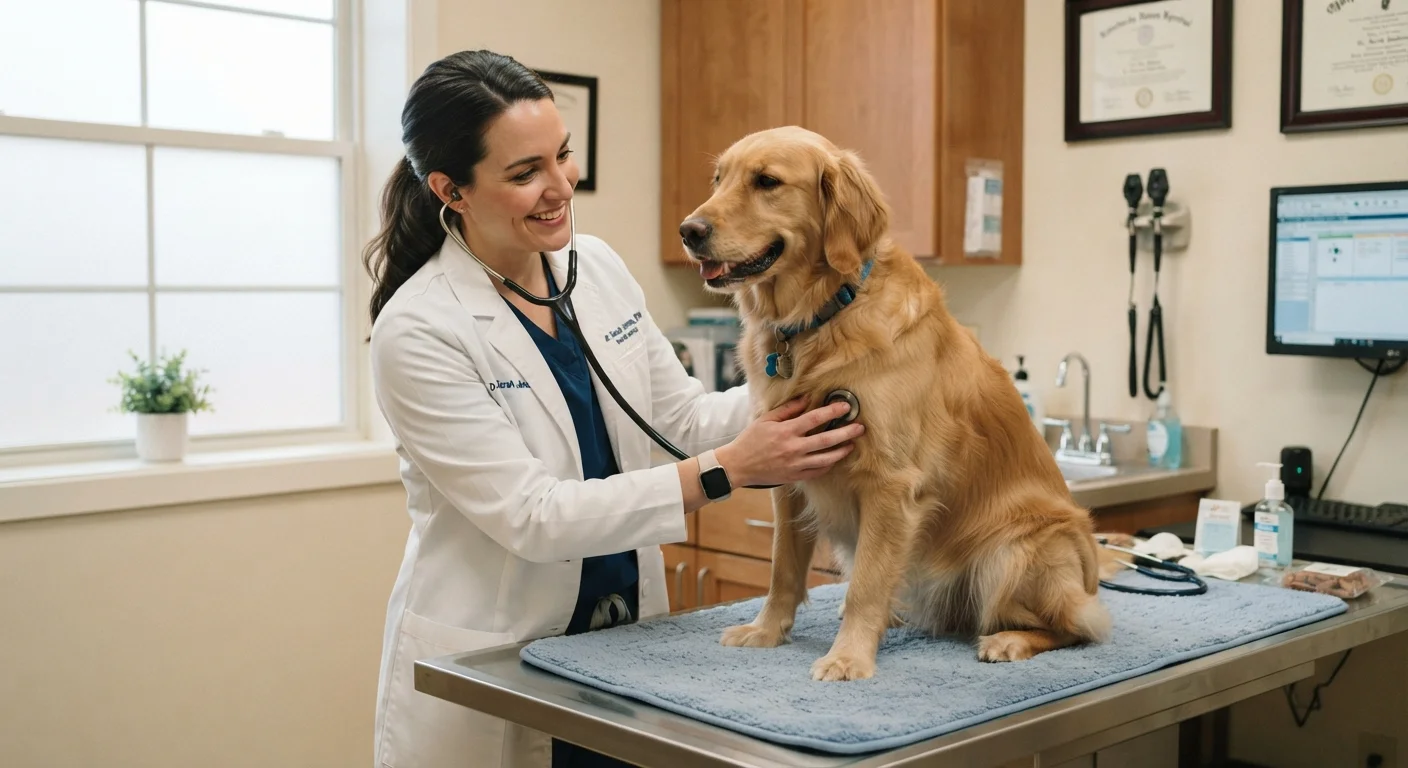
Photo credit: SkripTee.com | Search. Explore. Learn.
In this article
Vet visits aren't just for sick animals. Here's what happens during a routine wellness exam and why each part matters for your pet's long-term health.
Key Takeaways
- A wellness exam evaluates far more than vaccines - it covers nearly every body system.
- Vets can detect early-stage conditions that show no outward symptoms yet.
- Annual visits establish a health baseline that makes future changes easier to spot.
- Nutrition, behavior, and parasite prevention are routine parts of the conversation.
- Senior pets often benefit from twice-yearly exams due to their faster rate of aging.
More Than a Quick Check-Up
Many pet owners associate vet visits with vaccines or illness - but a well-structured annual wellness exam covers far more ground than either. Think of it as a comprehensive health audit: a systematic, head-to-tail review designed to catch problems early, confirm that things are going well, and give you a clear picture of where your pet stands.
These visits are also your best opportunity to have a real conversation with your veterinarian about everything from diet changes to behavioral quirks you've noticed at home. If you're still building that relationship with a vet you trust, our guide on how to find a veterinarian you can trust is a useful starting point.
70%
Dogs showing signs of dental disease by age 3
According to the American Veterinary Medical Association, periodontal disease is among the most prevalent conditions identified during routine exams.
2x
Faster aging rate in senior pets vs. young adults
Veterinary guidelines generally recommend bi-annual exams for pets over age 7 because age-related changes can progress significantly within a single year.
1 in 3
Pets diagnosed with a condition at a routine visit
Banfield Pet Hospital's State of Pet Health reports have noted that a significant share of wellness exam patients receive a new diagnosis the owner wasn't expecting.
The Physical Exam: What the Vet Is Actually Checking
The hands-on portion of the exam is where veterinarians gather the most diagnostic information. Even without bloodwork or imaging, a skilled vet can identify a remarkable range of concerns through observation and palpation. Here's what's typically assessed:
- Eyes and ears: Checked for discharge, redness, cloudiness, infection, or signs of allergy.
- Teeth and gums: Dental disease is one of the most common - and commonly overlooked - health issues in dogs and cats. Our article on why dental health is the most overlooked part of pet care explains the broader implications.
- Heart and lungs: Listened to with a stethoscope for murmurs, irregular rhythms, or abnormal breath sounds.
- Abdomen: Gently pressed to check organ size, identify masses, or detect pain responses.
- Skin and coat: Inspected for lumps, rashes, parasites, hair loss, or changes in texture.
- Joints and muscles: Assessed for range of motion, swelling, or early signs of arthritis.
- Weight: Compared against previous visits to track trends that might indicate metabolic or dietary issues.
Keep a Health Journal Between Visits
Note any changes in your pet's appetite, water intake, bathroom habits, energy level, or behavior - even if they seem minor. Bringing these observations to the exam gives your vet valuable context that a physical check alone can't provide. Photos or short videos of unusual postures or movements can also be incredibly helpful.
Vaccines, Parasites, and Preventive Medications
Wellness visits are when your vet reviews your pet's vaccination status and recommends updates based on age, lifestyle, and local disease risks. Not every vaccine is right for every animal - some are considered core (recommended for nearly all pets), while others depend on individual circumstances. Our guide to core vs. non-core vaccines breaks down how these decisions are made.
Parasite prevention is also reviewed at this visit. Your vet will assess your pet's exposure risk for fleas, ticks, heartworm, and intestinal parasites, and discuss whether current prevention protocols are appropriate. A fecal sample test may be recommended to check for worms even when no symptoms are present.
Heartworm Testing Is Often Annual
In most parts of the United States, vets recommend annual heartworm testing even for pets on year-round prevention. No preventive is 100% foolproof, and catching an infection early dramatically improves treatment outcomes. Ask your vet whether a heartworm test is part of your pet's standard wellness protocol.
The Conversation That Matters as Much as the Exam
A large part of the annual visit's value lies in discussion. Vets use this time to ask about changes in appetite, energy, thirst, bathroom habits, and behavior. These details can point toward concerns that don't show up on a physical exam alone.
This is also when nutrition and weight management come up. Is your pet's current food appropriate for their life stage? Is their body condition score healthy? Have you noticed subtle changes in how they move, sleep, or interact with family members?
For anything that surfaces during the exam - whether a suspicious lump, an unexpected lab value, or a behavioral shift - it's worth knowing how to recognize when your pet may be telling you something is wrong. Our article on signs your pet may be unwell is a helpful companion read.
Finally, if you're weighing whether to enroll in a pet insurance plan that covers wellness visits, see our overview on what pet insurance covers and whether it's worth it.
This article is for general informational purposes only and is not a substitute for professional veterinary advice. Always consult a licensed veterinarian about your pet's specific health needs.
Frequently Asked Questions

Author
Pets Editorial Team
Pets Editorial Team is the collective byline for our editorial team and contributor network. Articles published under this byline or an editorial pen name are researched, written, and reviewed according to our editorial standards for clarity, consistency, and independence before publication.
View all articles →