
Why Dental Health Is the Most Overlooked Part of Pet Care
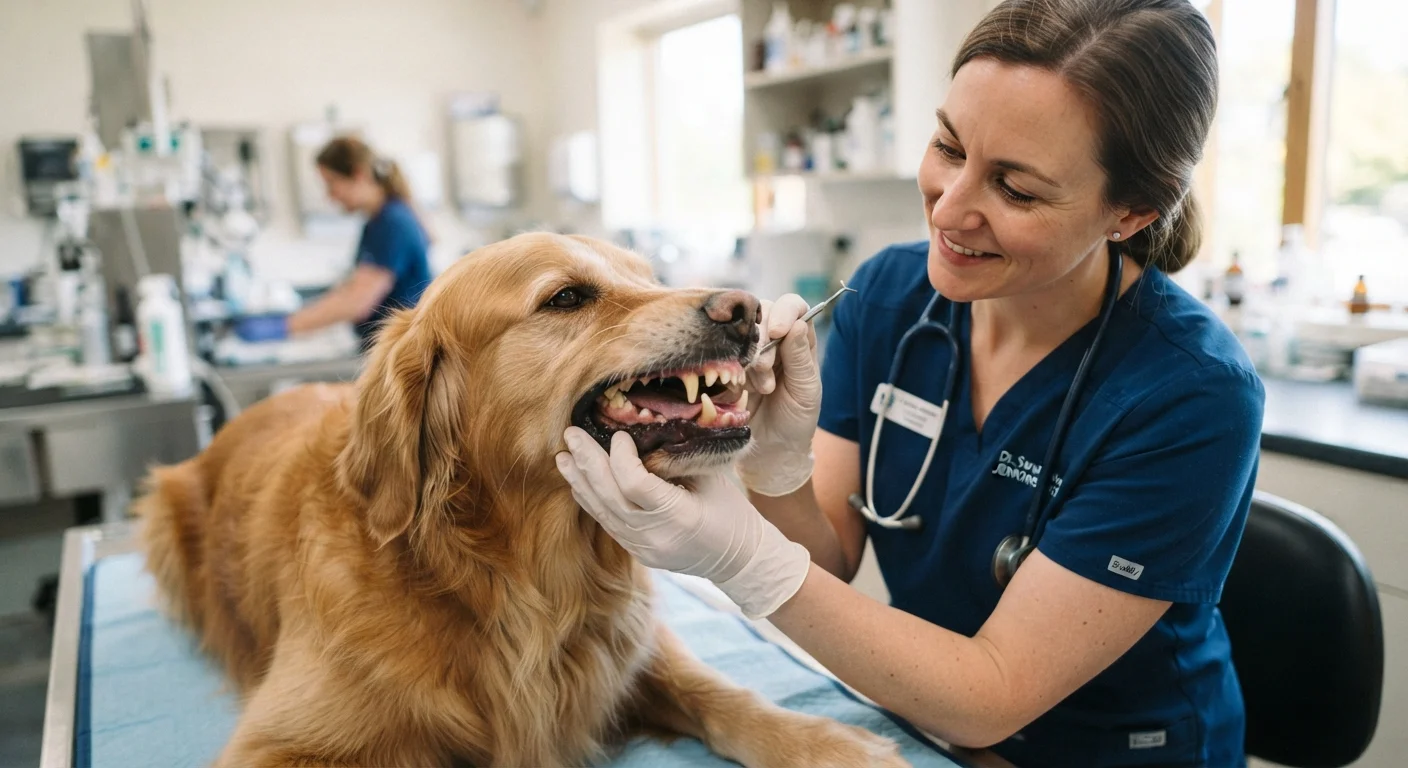
Photo credit: SkripTee.com | Search. Explore. Learn.
In this article
Gum disease affects most dogs and cats by age three. Explore how oral health connects to your pet's overall wellbeing and what owners can realistically do.
Key Takeaways
- Periodontal disease affects an estimated 80% of dogs and 70% of cats by age three.
- Dental disease rarely causes obvious pain signals - pets instinctively hide discomfort.
- Oral bacteria can travel through the bloodstream and affect the heart, kidneys, and liver.
- Daily tooth brushing is the most effective at-home prevention tool available.
- Professional dental cleanings under anesthesia are the standard of care for treating established disease.
- Dental care is a recurring ownership cost worth budgeting for from the start.
Why Dental Disease Flies Under the Radar
Ask most pet owners what health issues they worry about, and dental disease rarely tops the list. Yet according to the American Veterinary Medical Association, periodontal disease is the most commonly diagnosed condition in adult dogs and cats - affecting the vast majority by age three. So why does it get so little attention?
The answer lies in how pets experience pain. Unlike humans, dogs and cats have a strong biological drive to mask discomfort. A pet with severe gum disease will often continue eating, playing, and behaving normally - giving owners little reason to suspect anything is wrong. By the time obvious symptoms appear, the disease is frequently advanced.
This is one reason annual wellness exams are so important. A veterinarian performing an oral exam can spot early-stage disease long before your pet shows any signs of distress.
~80%
Dogs affected by periodontal disease by age 3
According to the American Veterinary Medical Association, the majority of dogs show signs of dental disease well before middle age.
~70%
Cats affected by dental disease by age 3
Cats are similarly vulnerable, with feline tooth resorption - a painful condition - affecting a significant portion of the adult cat population.
Stage 1-4
Veterinary grading scale for periodontal disease
Stage 1 is reversible gingivitis; Stage 4 involves severe bone loss and is associated with systemic health risks.
How Dental Disease Develops - and What It Does
It starts simply: bacteria in the mouth form plaque on tooth surfaces. Without removal, plaque mineralizes into tartar (also called calculus) within days. Tartar builds up along and beneath the gumline, creating an environment where bacteria thrive and cause gum inflammation - gingivitis.
Left unchecked, gingivitis progresses to periodontal disease, which damages the ligaments and bone holding teeth in place. Teeth loosen and eventually fall out. But the consequences don't stop at the mouth.
Chronic inflammation and bacteria from infected gum tissue can enter the bloodstream. Research has associated severe periodontal disease with increased stress on the kidneys, liver, and heart over time. This systemic connection is one reason vets treat dental health as a whole-body concern, not a cosmetic one. It's a dimension of pet health that also connects to the hidden burden of preventable chronic conditions many owners don't anticipate.
Small Breeds and Flat-Faced Dogs Are at Higher Risk
Toy breeds (like Chihuahuas and Yorkshire Terriers) and brachycephalic dogs (like Bulldogs and Pugs) often have crowded or misaligned teeth that accelerate plaque and tartar buildup. If you have a small or flat-faced dog, ask your vet about a more frequent dental monitoring schedule.
What Owners Can Realistically Do at Home
The single most effective at-home preventive measure is daily tooth brushing using a pet-safe toothpaste (human toothpaste contains ingredients that can be harmful to animals). It sounds daunting, but most pets can be gradually conditioned to accept it with patient, positive introductions.
Start with your finger and a small amount of flavored pet toothpaste. Over one to two weeks, introduce a finger brush, then a soft-bristled pet toothbrush. Keep sessions short and reward generously. The goal is cooperation, not perfection.
Make Dental Introductions Early
The earlier you introduce tooth brushing, the easier it becomes. Kittens and puppies that are gently acclimated to mouth handling from a young age tend to tolerate dental care much better as adults. Even a few seconds of positive mouth-touching daily can build lasting tolerance.
If brushing remains genuinely impossible, your vet may suggest veterinary-approved dental chews, water additives, or prescription dental diets as supplementary tools. Note the word supplementary - these options reduce plaque accumulation but are not substitutes for brushing or professional care.
Professional Dental Care: What to Expect
Professional veterinary dental cleanings are performed under general anesthesia. This allows the vet to safely scale above and below the gumline, probe each tooth for pocketing or bone loss, take dental X-rays (which reveal disease invisible to the naked eye), and extract any teeth that cannot be saved.
Anesthesia carries a small but real risk, which your vet will assess based on your pet's age and overall health. For most healthy adults, the benefit of thorough dental treatment far outweighs the anesthetic risk. A pre-anesthetic blood panel is standard practice and helps identify concerns before the procedure.
Dental cleanings are a recurring expense worth planning for. If you're mapping out the full picture of ownership costs, our guide to unexpected pet ownership expenses covers dental care alongside other costs many new owners underestimate. For a broader foundation, the complete owner's handbook walks through lifelong health considerations from puppyhood through senior years.
This article provides general educational information about pet dental health and is not a substitute for professional veterinary advice. Always consult a licensed veterinarian for guidance specific to your pet's needs.
Frequently Asked Questions

Author
Pets Editorial Team
Pets Editorial Team is the collective byline for our editorial team and contributor network. Articles published under this byline or an editorial pen name are researched, written, and reviewed according to our editorial standards for clarity, consistency, and independence before publication.
View all articles →