
Introducing a New Pet to a Multi-Animal Household
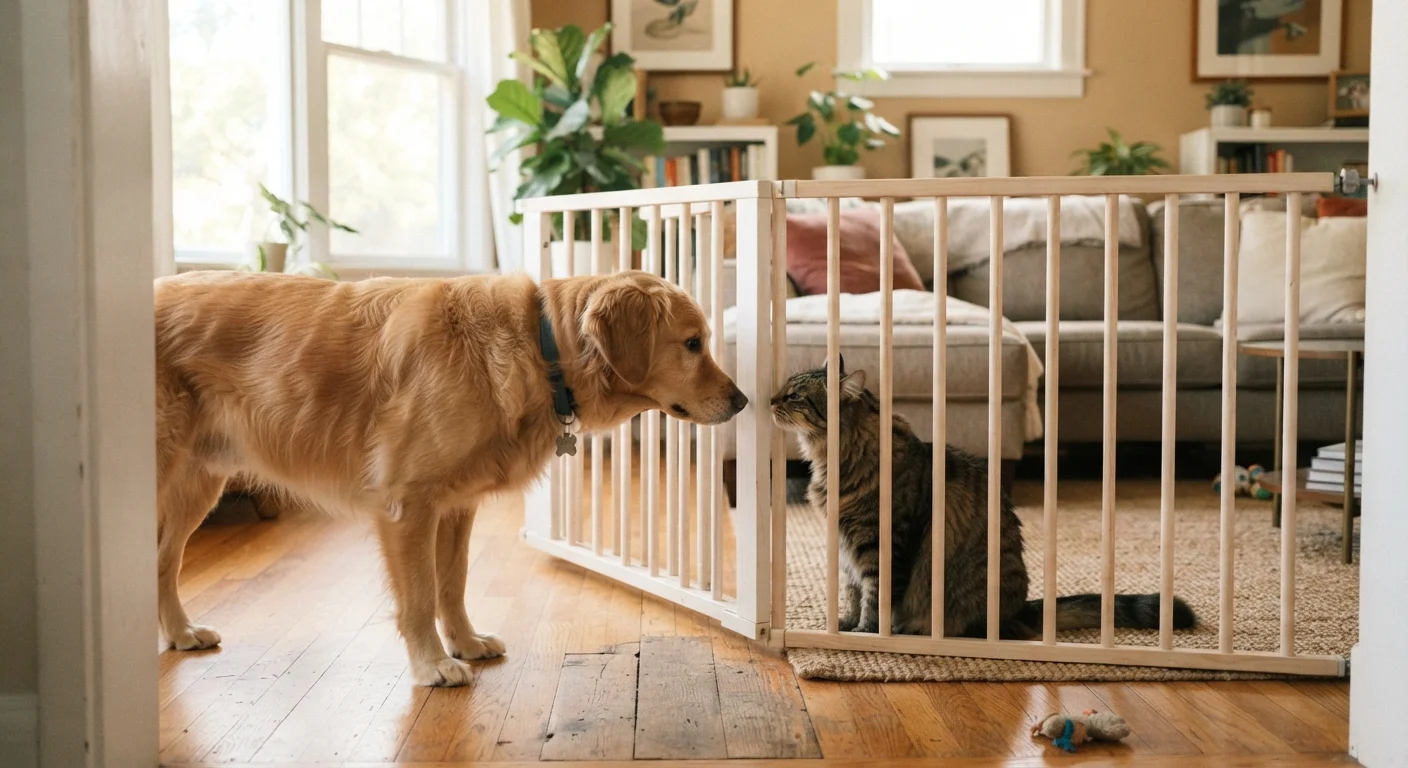
Photo credit: SkripTee.com | Search. Explore. Learn.
In this article
A structured, stress-aware approach to introducing cats, dogs, or small animals to each other in a way that protects every pet involved.
Key Takeaways
- Scent introduction before any visual contact significantly reduces stress and territorial aggression.
- Separate spaces with shared scent exchanges lay the foundation for a successful first face-to-face meeting.
- Go at the slowest animal's pace - rushing introductions is the most common cause of lasting inter-pet conflict.
- Positive reinforcement during every stage builds calm associations between resident and new pets.
- Most animals need days to weeks, not hours, before they can safely share a common space.
Why Introductions Need a Plan
Bringing a new pet into a home where animals already live is one of the most behaviorally complex situations a pet owner navigates. Resident animals have established territorial boundaries, routines, and social hierarchies. A new arrival disrupts all of that simultaneously. Without a structured approach, the result is often fear-driven conflict that can become entrenched quickly.
Animal behavior science consistently supports gradual, multi-stage introductions as the most effective method - particularly for cats and dogs, whose stress responses are well studied. The same principles apply broadly to rabbits, guinea pigs, birds, and other small animals sharing a household. The core idea is desensitization: helping each animal habituate to the other's presence incrementally, at a pace that keeps arousal levels manageable.
Before you begin, make sure your home is ready. Our guide on what you need before bringing a pet home covers the practical setup that makes a calm introduction possible. And if you are specifically navigating a cat-dog household, our dedicated species-specific guidance goes deeper on reading cross-species body language.
What you will need
What You'll Need
A successful introduction relies more on patience and process than on equipment, but a few practical tools make each stage safer and more manageable.
Baby gate or exercise pen
Creates a physical barrier that allows animals to see and smell each other without the risk of direct physical contact.
High-value treats
Used to create positive associations during each stage of the introduction process.
Separate food and water bowls
Prevents resource guarding and keeps mealtimes stress-free for all animals during the transition period.
Calming pheromone diffuser
Species-specific pheromone products (such as those formulated for cats or dogs) may help reduce anxiety during introductions.
Soft cloths or towels
Used to transfer scent between animals before any face-to-face contact takes place.
Having these in place before your new pet arrives - rather than improvising as you go - sets a calmer tone for everyone in the household, including you. For a broader checklist of what to have ready from day one, see what to expect in your first week with a new pet.
Step-by-Step Introduction Process
Follow these steps in order, and resist the urge to skip ahead. Progress is defined by both animals' behavior - not by how many days have passed.
Never Force or Rush the Introduction
Flooding - placing animals together and hoping they sort it out - is one of the most common and harmful mistakes owners make. It can result in injuries, lasting fear responses, and inter-pet aggression that becomes very difficult to reverse. Always match your pace to the most anxious animal in the household, not the most confident one.
Set up a dedicated space for your new pet
Before your new animal arrives, prepare a separate room - a bedroom, bathroom, or quiet office works well. This space should contain everything the new pet needs: food, water, bedding, toys, and a litter box if relevant. The goal is to let your newcomer decompress and feel safe before any animal interactions occur.
Do not allow your resident pets access to this room. The physical boundary communicates to both parties that they each have their own territory, which reduces the urgency of a confrontation.
Begin scent swapping
After 24-48 hours, use a soft cloth to gently rub the new pet around the face and neck - where scent glands are concentrated - then place that cloth near your resident pet's feeding area. Do the same in reverse. Feed both animals near the cloth so they begin to associate the unfamiliar scent with something positive.
Watch for body language. A resident pet that sniffs calmly and returns to normal behavior is progressing well. Growling, hissing, or prolonged fixation means you need more time at this stage before moving forward.
Allow scent-only exploration of each other's spaces
Once both animals appear relaxed around the scent cloths, allow your resident pet to briefly explore the new pet's room while the newcomer is elsewhere (and vice versa). This gives each animal a richer, more complete picture of the other's scent profile - including territory markings - without any risk of a confrontation.
Keep these sessions short (10-15 minutes) and follow each with play or a treat reward to keep the association positive.
Introduce a visual barrier meeting
Place a baby gate in the doorway between the two animals' spaces, or crack the door slightly. Allow both pets to approach at their own pace. Do not force proximity - the goal is for each animal to choose to investigate. Reward calm behavior generously with treats and quiet praise on both sides of the barrier.
If either animal shows sustained, escalating stress signals - lunging, hissing, raised hackles, or refusal to eat - separate them and spend more time on scent swapping before trying again.
Progress to supervised, shared space time
Only when both animals can spend several minutes at the barrier without sustained stress signals should you allow them into the same room together. Keep the first sessions brief - five to ten minutes - and remain calm and present throughout. Have treats ready and redirect attention with play or food rather than physical restraint if tensions rise.
Ensure the resident pet can leave the room freely. Trapped animals escalate. Never corner either pet.
Gradually expand shared time and space
Over the following days and weeks, incrementally increase the duration and freedom of shared sessions. Begin allowing access to additional rooms, always ensuring each animal has a retreat space the other cannot enter. Continue rewarding calm, neutral, or friendly interactions and ignore low-level tension as long as neither animal is in danger.
If serious aggression occurs at any point - biting, sustained fighting, or a pet that stops eating or hiding persistently - consult your veterinarian or a certified applied animal behaviorist. Some introductions require professional guidance, and that is entirely normal.
Positive Reinforcement Works at Every Stage
Reward calm, curious, and neutral behavior throughout the entire process - not just during face-to-face meetings. Animals that learn to associate the presence or scent of a new housemate with good things (food, play, praise) are far more likely to form relaxed, stable relationships over time. Consistency matters more than intensity.
When Things Don't Go Smoothly
Not every introduction follows a clean arc, and that does not mean you have failed. Some animals - particularly those with histories of trauma, limited early socialization, or strong territorial instincts - need significantly more time and support. Senior pets adjusting to a newcomer may also show more resistance; caring for a senior pet covers why age-related stress responses differ and how to accommodate them.
Watch for Signs of Serious Stress
A new pet that stops eating, hides continuously for more than a few days, or shows repetitive stress behaviors such as excessive grooming or vocalization needs more time and space - not more exposure. Pushing forward while an animal is in this state can cause lasting psychological distress. When in doubt, slow down and contact your veterinarian.
If you have followed every stage carefully and still see persistent aggression or extreme fear, a certified applied animal behaviorist (CAAB) or a veterinary behaviorist can assess the situation directly and offer tailored guidance. Your veterinarian is also a good first call - they can rule out pain or illness as a contributing factor and refer you to a specialist if needed.
The same gradual, supervised approach that works for introducing animals to each other also applies when children are part of the household dynamic - patience and positive associations are always the foundation.
This article provides general educational information about pet behavior and introductions. It is not a substitute for individualized guidance from a licensed veterinarian or certified animal behaviorist.

Author
Pets Editorial Team
Pets Editorial Team is the collective byline for our editorial team and contributor network. Articles published under this byline or an editorial pen name are researched, written, and reviewed according to our editorial standards for clarity, consistency, and independence before publication.
View all articles →