
Pets and Young Children: Building a Safe and Positive Relationship
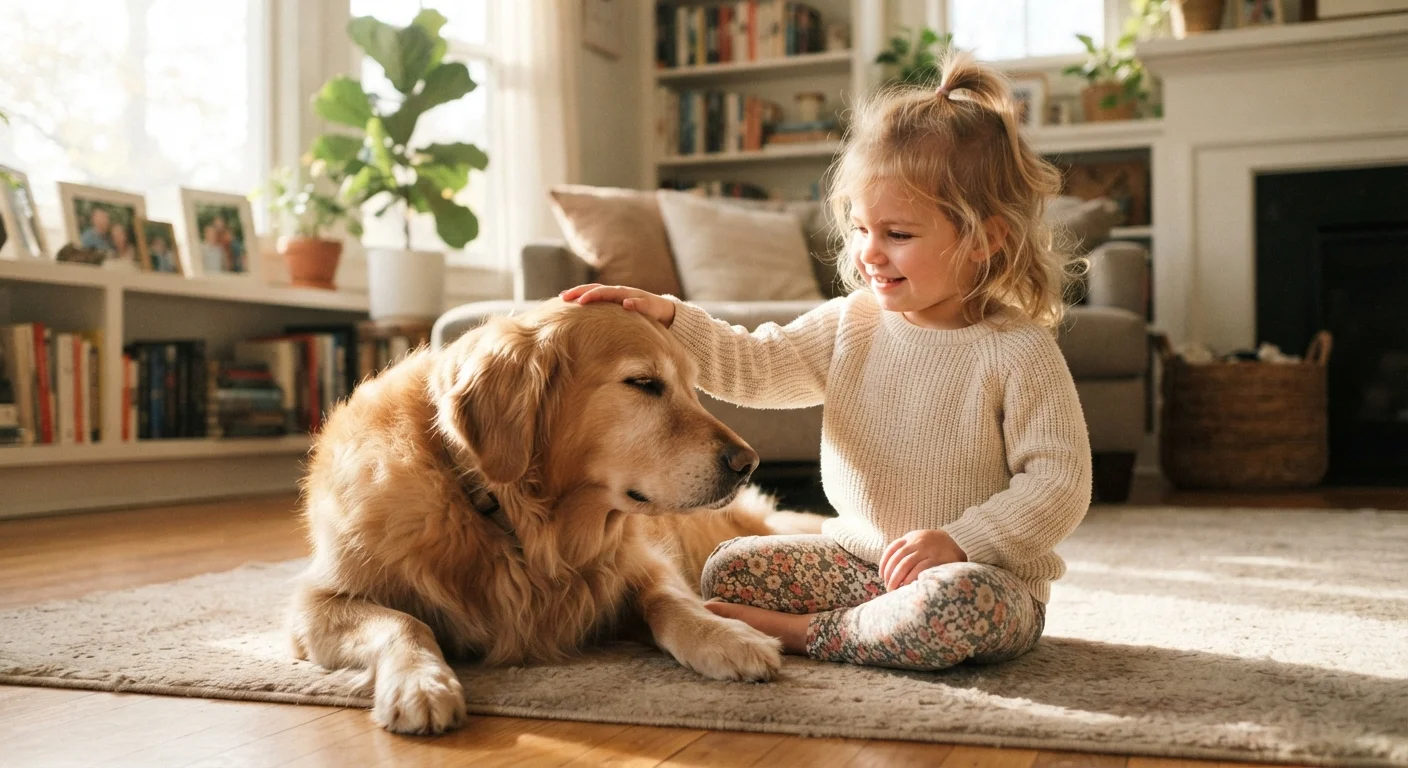
Photo credit: SkripTee.com | Search. Explore. Learn.
In this article
Children and pets can thrive together with the right groundwork. Learn age-appropriate interaction guidelines and how to supervise early introductions safely.
Key Takeaways
- Adult supervision is essential for every interaction between pets and children under age six.
- Teaching children how to approach, touch, and read animals reduces the risk of bites and scratches.
- Pets need a safe retreat space where children are not permitted to follow them.
- Early, positive socialization shapes how a pet responds to children throughout its life.
- Learning to recognize stress signals in animals helps families intervene before incidents occur.
Why Getting the Foundation Right Matters
Children and pets are a natural combination in millions of American households, and the relationships formed in those early years can be genuinely enriching for both. Kids who grow up respectfully alongside animals often develop greater empathy, responsibility, and confidence. Pets, in turn, can gain the socialization they need to remain relaxed and adaptable. But the same proximity that creates those rewards also creates real risk when the interaction isn't thoughtfully managed.
Most incidents between pets and young children aren't caused by "bad" animals or careless families - they happen because children and animals communicate differently, and no one has yet bridged that gap for them. The good news: with a clear set of practices in place from the start, the vast majority of those incidents are preventable.
For families bringing home a new animal, the first week sets important patterns that will shape your pet's comfort level for months to come.
Every Pet and Child Is Different
Age, breed, individual temperament, and a child's developmental stage all influence how interactions should be managed. The guidance here reflects general best practices informed by veterinary and child-development consensus - not a one-size-fits-all prescription. Always consult your veterinarian or a certified animal behaviorist if you have concerns about your specific pet's behavior around children.
What the Research Tells Us
The data around pets and child safety is both sobering and empowering. Children are disproportionately represented in bite statistics - but most incidents involve a familiar animal in a familiar home, which means the context is one families have the power to shape.
~50%
Dog bite victims who are children
The CDC has reported that children are disproportionately represented among dog bite victims, with the highest rates in children ages five to nine.
77%
Bites from a dog the child knew
According to the American Veterinary Medical Association, the vast majority of bites to children involve a dog familiar to the family, underscoring the importance of supervised home interactions.
Understanding these patterns isn't about fear - it's about channeling parental protectiveness into the right behaviors. The practices that reduce risk are the same ones that make the bond between child and pet warmer and more trusting over time.
Socialization history matters, too. A pet that was positively exposed to children during its early developmental window is far better prepared for family life. Our guide on the role of socialization in shaping a well-adjusted pet explains when that window opens, and how to make the most of it.
Core Practices for Safer, Happier Interactions
The following practices reflect guidance from veterinary and animal behavior professionals. They are organized to be practical and immediately actionable - whether you're introducing a pet to a newborn, managing a toddler who's newly mobile, or welcoming an animal into a home that already has older children.
Maintain active, hands-on supervision during every child-pet interaction.
Even the gentlest animal can react unpredictably when startled, hurt, or overwhelmed. Children under six often lack the impulse control to read and respect animal body language. Attentive adult presence allows you to redirect either party before stress escalates.
Create and enforce a pet-only safe zone that children may not enter.
Animals need the ability to disengage - a retreat communicates that they have control over their environment. Pets that cannot escape an overwhelming interaction are far more likely to escalate to a bite or scratch as a last resort.
Teach children precise, gentle touch techniques from the very first introduction.
Vague instructions like "be nice" rarely translate into changed behavior for young children. Specific physical guidance - how to approach slowly from the side, how to stroke fur in one direction - builds habits that protect both child and animal.
Learn and share the key stress signals your pet displays before reacting.
Bites and scratches rarely come without warning - they are typically the last step in a communication chain that started with subtle signals. Families who recognize yawning, lip-licking, tail-tucking, or flattened ears in dogs, or twitching tails and dilated pupils in cats, can intervene early.
Involve children in calm, routine pet care tasks appropriate to their age.
Participating in feeding, gentle grooming, or training sessions builds mutual respect and helps children understand that pets have needs. It also creates positive associations for the animal with the child's presence.
Prioritize positive socialization experiences during a pet's developmental window.
Early exposure to children in a positive, controlled setting shapes a pet's long-term comfort around them. A puppy or kitten that meets calm, supervised children during its socialization period is significantly more likely to remain relaxed around kids as an adult.
“The single most effective thing a family can do is teach children that animals communicate - and that it's our job to listen. Most incidents between pets and kids are preventable with awareness and a little preparation.”
— American Veterinary Medical Association, National veterinary professional organization
Start Here: Your Quick Wins
You don't need to overhaul your household overnight. A few targeted actions today will meaningfully improve safety and set the tone for a positive relationship between your child and pet.
If you're also navigating a multi-animal home, the same careful introduction principles apply - see our overview of introducing a new pet to a multi-animal household for a structured approach that protects every pet involved.
When to Consult a Professional
If your pet shows any growling, snapping, or stiff body posture around children - even once - take it seriously and consult a certified veterinary behaviorist or a credentialed animal trainer before the next child interaction. Early professional input can make an enormous difference. Your veterinarian is always a good first call.
This article is for general informational and educational purposes only. It is not a substitute for personalized advice from a licensed veterinarian or certified animal behaviorist. If you have concerns about your pet's behavior or your child's safety, please consult a qualified professional.

Author
Pets Editorial Team
Pets Editorial Team is the collective byline for our editorial team and contributor network. Articles published under this byline or an editorial pen name are researched, written, and reviewed according to our editorial standards for clarity, consistency, and independence before publication.
View all articles →