
The Role of Socialisation in Shaping a Well-Adjusted Pet
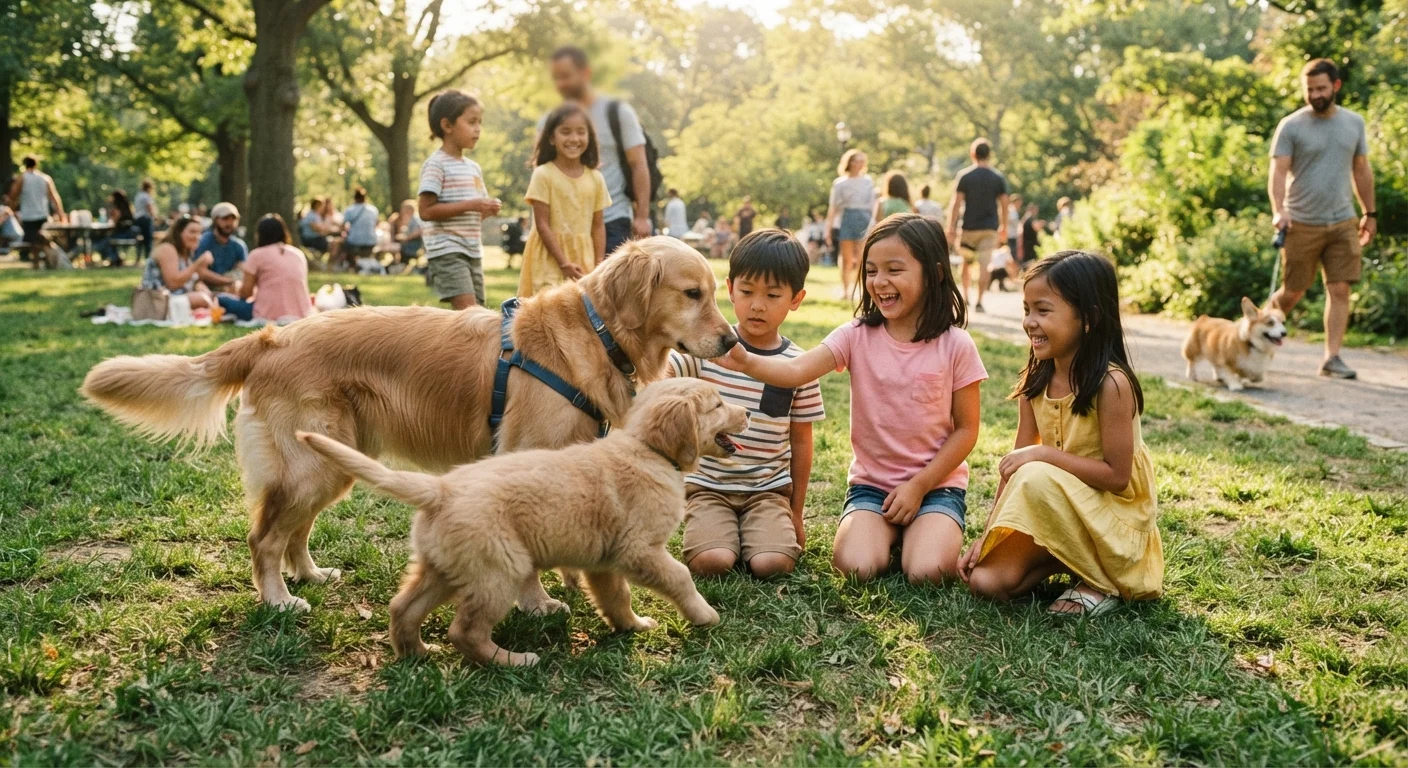
Photo credit: SkripTee.com | Search. Explore. Learn.
In this article
What socialisation actually means, when it matters most developmentally, and how it shapes a pet's confidence and behaviour for life.
Key Takeaways
- Socialisation is a developmental process, not a single event - it requires consistent, positive exposure over time.
- The sensitive period for socialisation is early and short, making timely exposure critically important.
- Under-socialised pets are more likely to develop fear-based reactivity and anxiety as adults.
- Socialisation should be gradual and paired with positive experiences - overwhelming a pet can backfire.
- Socialisation opportunities don't disappear entirely after the sensitive window, but they require more effort.
- Professional support from a certified behaviourist can help pets who missed early socialisation.
Why Socialisation Is More Than Just 'Meeting Other Dogs'
Many pet owners hear the word socialisation and picture their puppy romping at a dog park. While animal-to-animal interaction is certainly part of the picture, socialisation is a much broader concept rooted in developmental neuroscience. It refers to the entire process by which a young animal constructs a mental model of what is safe and normal in the world.
That model encompasses people of different ages and appearances, common household sounds (vacuum cleaners, doorbells, thunderstorms), varied surfaces and environments, handling by veterinarians, car travel, and dozens of other everyday experiences. When those exposures happen early and are paired with calm or positive outcomes, the brain learns to categorise them as non-threatening. When they are absent, the brain may later treat them as unknown - and therefore potentially dangerous.
This is why under-socialised pets often appear fearful or reactive in situations that seem perfectly ordinary to their owners. The behaviour isn't stubbornness or a character flaw - it's a nervous system responding the only way it was shaped to respond. Understanding this helps owners approach the issue with empathy rather than frustration.
“Fear is the single biggest welfare issue in companion animals today. The vast majority of behaviour problems I see - aggression, separation anxiety, reactivity - trace back, in some way, to fear that was never addressed during those early developmental weeks.”
— Dr. Karen Overall, Board-certified veterinary behaviourist and applied animal behavior researcher
The Sensitive Period: A Narrow but Powerful Window
Animal behaviorists and veterinary scientists have identified specific developmental windows during which the brain is especially plastic - able to form associations quickly and durably. For dogs, this sensitive period for socialisation is generally from around 3 to 12-14 weeks. For cats, it is approximately 2 to 7 weeks. During these windows, the brain is wired to absorb new stimuli with relatively little fear.
After the window closes, the default shifts. Novel stimuli are increasingly met with caution rather than curiosity. This is an adaptive survival mechanism - it makes sense for a maturing animal to become more wary of unfamiliar things. But in domestic pets, it means that experiences not encountered early may always feel slightly foreign.
3-14 wks
Puppy primary socialisation window
Veterinary behaviorists widely recognise this as the period when positive exposures have the greatest influence on adult dog temperament.
2-7 wks
Kitten socialisation sensitive period
Research in feline behaviour indicates kittens handled gently and frequently during this window tend to be more sociable and less fearful as adults.
This doesn't mean hope is lost if your pet missed early socialisation - for example, many rescue animals arrive with unknown histories. Desensitisation and counter-conditioning techniques, ideally guided by a certified behaviourist, can expand a pet's comfort zone at any age. It simply takes more time, consistency, and professional support. See our guide to recognising when professional behavioural support is needed for help knowing when to bring in an expert.
How to Approach Socialisation Thoughtfully
Effective socialisation is not about flooding a young animal with as many experiences as possible as fast as possible. Quality and emotional tone matter far more than quantity. Every new exposure should be paced to keep the pet below its stress threshold - the point at which anxiety overrides the ability to learn positive associations.
Practical principles to keep in mind:
- Go at the animal's pace. Allow the pet to approach new things rather than forcing contact. A kitten that chooses to sniff a stranger's hand is building confidence; one that is held against its will while feeling frightened is learning the opposite lesson.
- Use high-value rewards. Pairing a new experience - an unfamiliar sound, a new person, a car ride - with something the animal genuinely loves reinforces a positive association.
- Keep sessions short. Young animals tire easily. Multiple brief, positive sessions outperform a single long, overwhelming one.
- Stay consistent. Irregular exposure can slow progress. Frequent, predictable encounters help build lasting confidence.
For puppies not yet fully vaccinated, speak with your veterinarian about low-risk socialisation options. Many vets recommend supervised puppy classes held in clean, controlled environments as a safe way to begin. For a broader framework on building good habits early, our introduction to pet training fundamentals is a helpful companion read.
Talk to Your Vet Before Puppy Classes
Puppies complete their primary vaccine series around 16 weeks, which overlaps with the peak socialisation window. Ask your veterinarian which socialisation activities are safe before full vaccination is complete. Many recommend puppy classes that require all participants to be vaccinated up to their age, held in clean, indoor environments.
Socialisation Across the Lifespan
Socialisation doesn't have a hard stop after the sensitive period - it evolves. Adolescent and adult pets benefit from continued, varied social experiences to maintain the confidence built early. A well-socialised puppy that is then kept isolated for months can begin to lose some of that ease around novelty.
If you are bringing a new animal into a home that already has pets, socialisation takes on another dimension: introducing animals to each other in a way that sets everyone up for success. Our structured guide to introducing pets in a multi-animal household walks through that process carefully.
Socialisation also intersects with broader ownership milestones covered in the complete pet ownership handbook, which addresses everything from early puppyhood or kittenhood through to senior care. Thinking of socialisation as one thread in that larger tapestry - woven alongside veterinary care, nutrition, and training - helps frame how central it really is to a pet's lifelong wellbeing.
This article is for general informational purposes only and is not a substitute for professional veterinary or animal behaviour advice. If your pet is showing signs of significant fear, anxiety, or aggression, please consult a qualified veterinarian or certified animal behaviourist.
Frequently Asked Questions

Author
Pets Editorial Team
Pets Editorial Team is the collective byline for our editorial team and contributor network. Articles published under this byline or an editorial pen name are researched, written, and reviewed according to our editorial standards for clarity, consistency, and independence before publication.
View all articles →