
What a Home Inspector Actually Looks At
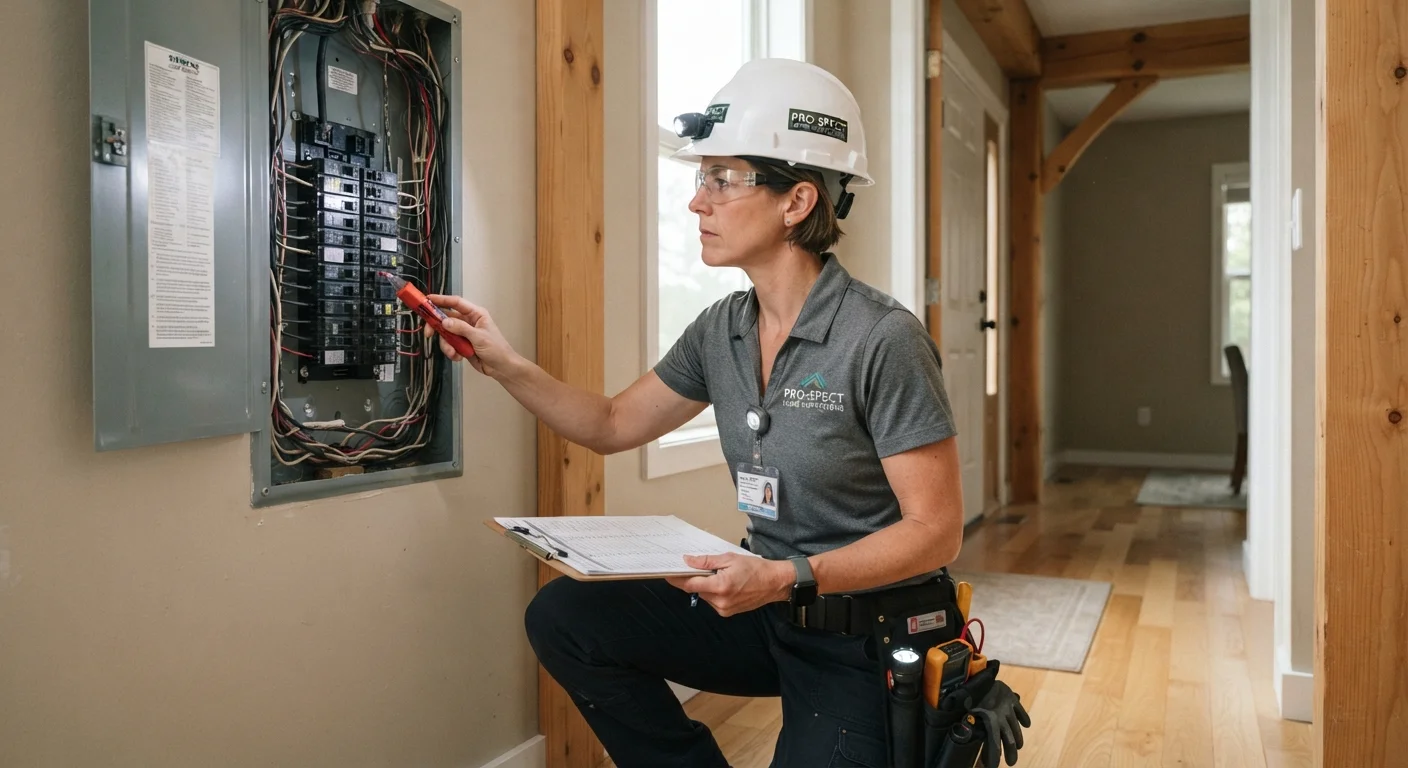
Photo credit: SkripTee.com | Search. Explore. Learn.
In this article
A home inspection covers far more than visible cracks. Here's a clear look at what inspectors examine, what they don't, and how to read a report.
Key Takeaways
- A home inspection covers structural components, major systems, and safety hazards - not cosmetic issues.
- Inspectors report what they observe visually; they don't open walls, test every outlet, or predict future failures.
- A findings report is not a pass/fail grade - it's a prioritized list of conditions to evaluate.
- Specialty inspections (radon, mold, sewer scope) go beyond a standard inspection and are often worth adding.
- Buyers should attend the inspection in person to ask questions and gain firsthand context.
The Core Systems Every Inspector Evaluates
A licensed home inspector's job is to assess observable conditions across a property's major systems and structural components. Here is what falls squarely within that scope:
- Roof and attic: Inspectors examine shingles, flashing, gutters, ventilation, and visible signs of moisture intrusion or structural damage. Attic insulation and framing are reviewed where accessible.
- Foundation and structure: Visible cracks, settlement signs, and moisture in crawl spaces or basements are documented. Inspectors look for evidence of movement that could indicate ongoing or past structural issues.
- Electrical system: The main panel, breakers, visible wiring, and outlet grounding are checked. Inspectors identify potential fire hazards and code-era concerns such as aluminum wiring or double-tapped breakers.
- Plumbing: Water pressure, drain function, visible pipe condition, water heater age and operation, and signs of leaks are all assessed.
- HVAC systems: Heating and cooling equipment is operated and evaluated for age, condition, and basic function. Filters, ductwork, and exhaust venting are reviewed.
- Interior spaces: Walls, ceilings, floors, windows, and doors are checked for visible damage, signs of moisture, and proper operation.
What 'Visual Inspection' Actually Means
Inspectors evaluate what is accessible and observable without causing damage to the property. They won't cut open drywall, move appliances, or lift insulation batts to look beneath them. If a component is inaccessible - such as a crawl space with standing water - the inspector will note the limitation in the report rather than speculate about what might be behind it.
An inspector operates every accessible component - running faucets, testing outlets, opening and closing windows - to evaluate function under normal conditions. They do not move furniture, lift carpeting, or open finished walls.
What an Inspector Does Not Cover
Understanding the inspection's limits is just as important as knowing its scope. Standard home inspections are visual and non-invasive - meaning inspectors report only what they can observe without causing damage.
Items typically outside a standard inspection include:
- Radon gas levels (requires a dedicated radon test)
- Wood-destroying insects such as termites (usually requires a separate pest inspection)
- Mold testing or air quality analysis
- Sewer line condition (a sewer scope is a separate service)
- Underground oil tanks
- Asbestos or lead paint identification
- Swimming pools, hot tubs, or outbuildings (sometimes excluded depending on the inspector)
Buyers purchasing older homes - particularly those built before 1980 - may want to add specialty inspections for lead and asbestos. Just as a vehicle history report documents past events but can't predict future mechanical failure, a home inspection captures current observable conditions but can't reveal everything hidden within walls or underground.
Attend the Inspection in Person
Walking through the home with your inspector is one of the most valuable things you can do as a buyer. Inspectors can point out minor maintenance habits, explain the age of key systems, and help you distinguish between a cosmetic concern and a structural one. Reading a report without that context can make minor findings feel alarming.
How to Use the Inspection Report
The inspection report is not a pass/fail verdict. It is a prioritized record of conditions that helps buyers make informed decisions. Most reports organize findings into categories:
- Safety hazards: Issues requiring immediate attention - exposed wiring, missing smoke detectors, improper gas connections.
- Major defects: Conditions with significant cost implications, such as a failing HVAC system, aging roof, or foundation cracks suggesting active movement.
- Maintenance and monitoring items: Routine upkeep needs that are part of normal homeownership - caulking, minor grading adjustments, sediment flushing in the water heater.
Buyers should focus negotiations on safety hazards and major defects, not cosmetic imperfections. A detailed report on an older home is not a red flag - it is a sign of a thorough inspector doing their job well.
If your inspection surfaces concerns about unpermitted work, that is worth investigating separately. Unpermitted improvements can create liability, complicate financing, and affect resale value. Similarly, renters reviewing a property before signing can benefit from their own pre-move checklist - see our pre-lease inspection guide for a room-by-room approach.
~86%
Buyers who order a home inspection
According to the National Association of Realtors' Profile of Home Buyers and Sellers, the vast majority of buyers include an inspection in their purchase process.
$300-$500
Typical cost of a standard home inspection
Costs vary by region, home size, and inspector credentials; larger or older homes may cost more to inspect thoroughly.
This article is for informational purposes only. Always consult a licensed home inspector and appropriate professionals for guidance specific to your property and transaction.
Frequently Asked Questions

Author
Real Estate Editorial Team
Real Estate Editorial Team is the collective byline for our editorial team and contributor network. Articles published under this byline or an editorial pen name are researched, written, and reviewed according to our editorial standards for clarity, consistency, and independence before publication.
View all articles →