
Return on Investment: Which Home Improvements Actually Add Value
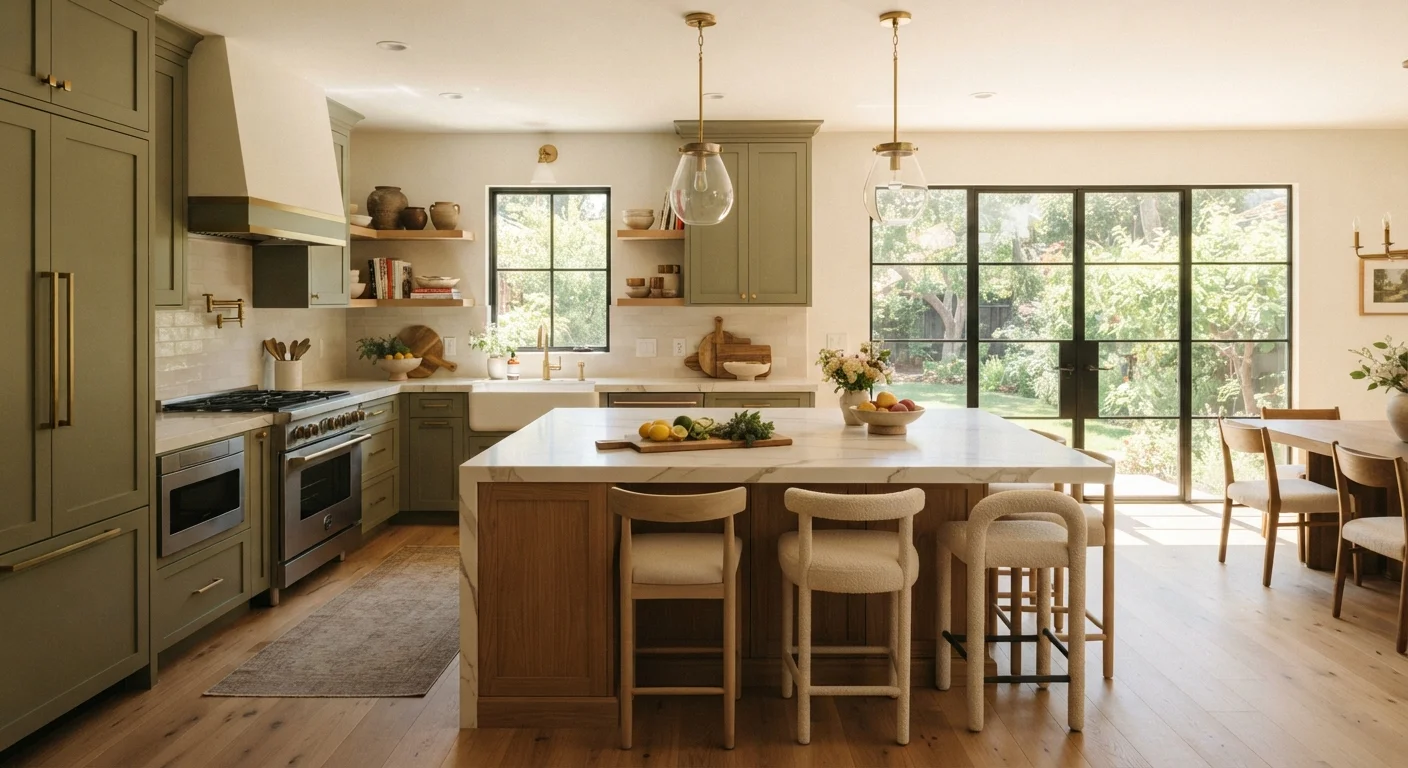
Photo credit: SkripTee.com | Search. Explore. Learn.
In this article
Not every renovation pays off at resale. Learn which upgrades consistently deliver a strong return and which ones rarely recoup their costs.
Key Takeaways
- Exterior upgrades like new garage doors and entry doors consistently rank among the highest-ROI improvements.
- Kitchen and bathroom updates tend to recover a solid portion of costs, but over-improving for the neighborhood can eliminate gains.
- Luxury additions such as pools or home theaters rarely recoup their full cost at resale.
- Buyers expect functional, well-maintained homes - deferred maintenance fixes often matter more than cosmetic upgrades.
- Local market conditions significantly affect which improvements add the most value in your area.
Why Not Every Renovation Pays Off at Resale
Homeowners spend billions of dollars each year on renovations with the expectation that improvements will translate into higher sale prices. But the relationship between renovation spending and resale value is rarely one-to-one. Understanding which projects return the most - and which rarely recoup their cost - is essential before committing to any major project.
The core principle: buyers pay for perceived value, and what seems valuable to the current owner isn't always what a future buyer will pay a premium for. A renovated home theater or custom wine cellar may be a personal passion project, but buyers who don't share that interest may see it as a niche feature rather than a selling point.
Before undertaking any significant work, it's worth reading about common renovation myths that lead homeowners astray - assumptions that can lead to costly mistakes.
~100%
Average ROI for garage door replacement
According to Remodeling magazine's Cost vs. Value report, garage door replacement has historically returned close to or above 100% of project cost in resale value.
~75%
Average ROI for minor kitchen remodels
Industry cost-vs.-value analyses have consistently placed minor kitchen remodels among the top mid-tier ROI projects, outperforming major kitchen overhauls.
~56%
Average ROI for bathroom additions
Adding a new bathroom recovers roughly half to two-thirds of its cost in most markets, according to national cost-vs.-value surveys, with results varying by region.
High-ROI Improvements Worth Considering
Industry cost-vs.-value research consistently identifies a cluster of projects that recover a high percentage of their costs. These tend to share a common trait: they improve the home's curb appeal, functionality, or structural integrity in ways that directly influence buyer perception.
- Garage door replacement: Consistently one of the top-performing projects by ROI, new garage doors refresh curb appeal at a relatively modest cost.
- Entry door replacement (steel): A new front door signals security and maintenance - both qualities buyers value immediately on approach.
- Minor kitchen remodel: Replacing cabinet fronts, updating hardware, and refreshing countertops delivers more value per dollar than a full gut renovation in most cases. See our guide on a kitchen renovation on a budget for a deeper breakdown.
- Manufactured stone veneer: Adding stone accents to the exterior is a relatively affordable upgrade that meaningfully improves visual appeal.
- Deck or patio addition: Functional outdoor living space appeals broadly to buyers across most US markets.
Match Your Renovation to Your Market
Before investing in any major project, compare your home to recently sold properties in the same neighborhood. If your planned upgrade would push your home's price significantly above nearby comparables, you're unlikely to recover the full cost. A licensed real estate agent or appraiser can provide a market-specific ceiling for your home's value.
Projects That Rarely Recoup Their Full Cost
Not all improvements are created equal. Some projects are expensive to execute but don't translate into a proportional increase in appraised value or buyer offers.
- In-ground swimming pools: In most US markets, pools are a net negative or a break-even proposition - they increase liability, maintenance costs, and can narrow your buyer pool.
- Luxury master suite additions: High-end additions can push a home's cost well above neighborhood comparables, making full cost recovery unlikely.
- Home offices converted from bedrooms: Converting a bedroom into a permanent office can reduce the perceived bedroom count, which directly affects appraisals.
- Highly personalized design choices: Bold tile work, unconventional layouts, or niche finishes may appeal to some buyers but often require a buyer to pay for something they'd prefer to change.
If you're weighing layout-level changes, consider reading about open-plan living vs. defined rooms before removing walls.
“The most expensive renovation isn't always the most valuable one. Buyers respond to homes that feel cared for and functional - not just impressive on paper.”
— Real Estate Editorial Team, Editorial analysis based on industry cost-vs.-value research and real estate market data
How to Think About Renovation ROI in Your Market
National averages are a useful starting point, but local market conditions drive real outcomes. A bathroom remodel in a competitive urban market may yield different returns than the same project in a rural area with lower price ceilings.
Before committing to a significant renovation, consider these steps:
- Research comparable sales: Understand what renovated homes in your neighborhood are actually selling for - not just listed for.
- Consult a licensed appraiser or real estate agent: A local professional can provide a realistic ceiling for your home's value given its location and condition.
- Prioritize deferred maintenance first: Buyers and their inspectors will flag leaking roofs, outdated electrical panels, and HVAC systems in poor condition. Fixing these items is expected, not valued as an upgrade.
- Plan your financing thoughtfully: Understanding how renovation financing works can help you avoid over-leveraging. Our overview of home improvement financing options walks through the key trade-offs.
If you're preparing to list, the pre-sale renovation checklist can help you prioritize without overspending.
This article is for general informational and educational purposes only and does not constitute financial, legal, or investment advice. Consult a licensed real estate professional or financial adviser before making renovation decisions based on your specific circumstances.
Frequently Asked Questions

Author
Real Estate Editorial Team
Real Estate Editorial Team is the collective byline for our editorial team and contributor network. Articles published under this byline or an editorial pen name are researched, written, and reviewed according to our editorial standards for clarity, consistency, and independence before publication.
View all articles →