
Why Waterproofing Fails in Wet Areas - and How to Get It Right
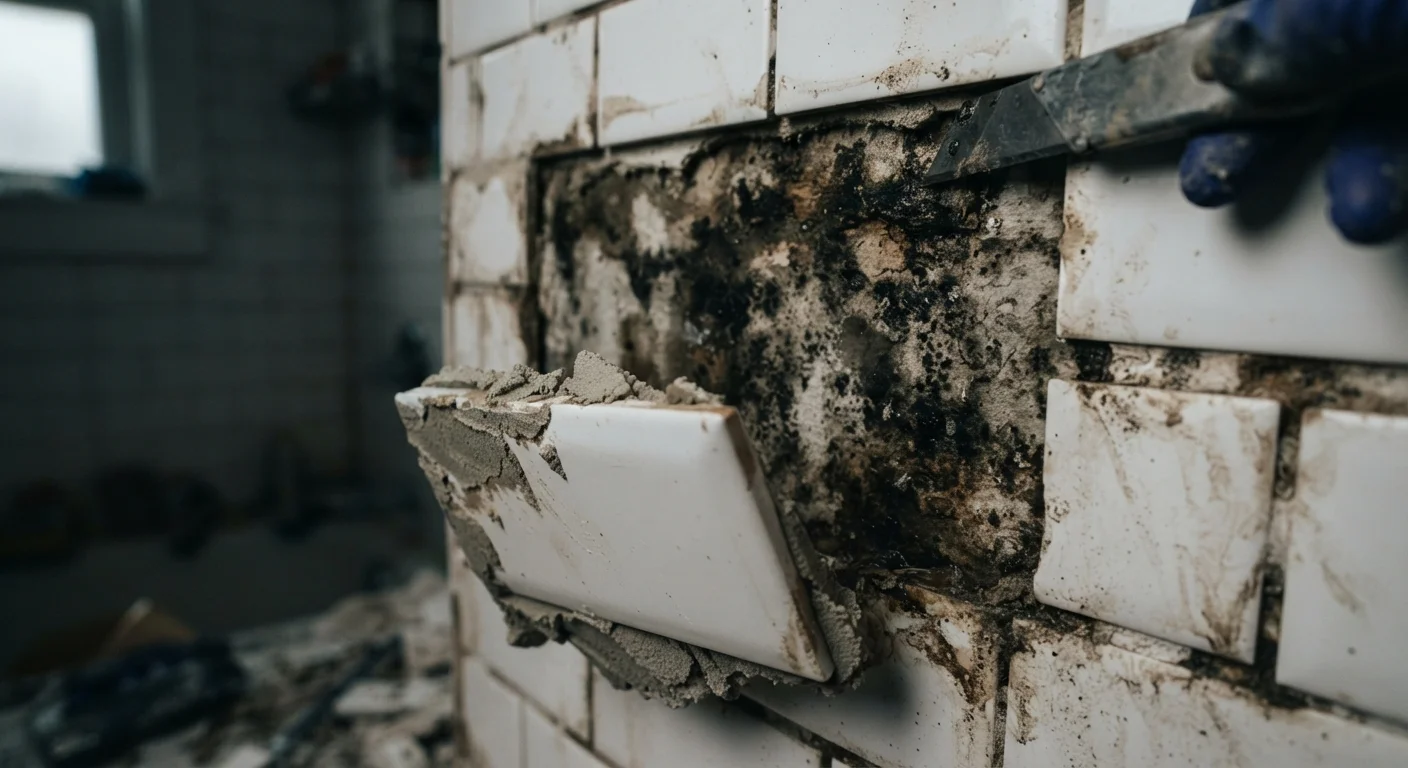
Photo credit: SkripTee.com | Search. Explore. Learn.
In this article
Leaks behind tiles often go undetected for years. Understand the most common waterproofing mistakes and what proper application actually involves.
Key Takeaways
- Most waterproofing failures originate from preparation shortcuts, not product quality issues.
- Wet areas require full membrane coverage to floor drains, corners, and wall-to-floor junctions.
- Waterproofing must fully cure before tiling - rushing this step causes premature membrane breakdown.
- Licensed waterproofers are required by code in most US jurisdictions for shower and bathroom applications.
- Visible water damage is often a lagging indicator - leaks typically travel unseen for months or years.
The Hidden Cost of Getting Waterproofing Wrong
Water damage behind bathroom tiles is one of the most expensive and least visible problems a homeowner can face. By the time mold appears on a wall or a subfloor begins to soften, the underlying leak may have been active for a year or longer. Remediation costs - including tile removal, membrane replacement, and structural drying - routinely run into the thousands of dollars.
The frustrating reality is that most waterproofing failures are preventable. They stem not from faulty products but from predictable application errors: surfaces that weren't properly prepared, membranes applied too thin, or cure times ignored in the rush to tile. Understanding where these failures originate is the first step toward getting it right.
This article is part of a broader resource on bathroom renovation planning, where waterproofing sits at the foundation of every decision that follows.
Skipping surface preparation before applying the membrane.
Why it happens: Homeowners and even some contractors underestimate how much substrate condition affects membrane adhesion. A surface that looks clean may still have dust, residual adhesive, or micro-cracks.
Applying the membrane too thinly or in a single coat.
Why it happens: Membrane products are often sold with straightforward instructions that don't emphasize the consequences of under-application. Applicators aiming to save time or product apply too little.
Failing to properly seal corners, junctions, and penetrations.
Why it happens: Flat surfaces are easier to coat, so applicators spend less time on the high-risk transition zones where walls meet floors and where pipes or drains penetrate the substrate.
Tiling before the membrane has fully cured.
Why it happens: Project timelines create pressure to move to the next phase quickly. Many liquid membranes appear dry to the touch well before they reach their rated cure strength.
Using the wrong membrane product for the substrate or application.
Why it happens: There is a wide range of waterproofing membranes available, and the differences between sheet membranes, liquid-applied systems, and foam-backed boards are not always clearly understood.
What Proper Waterproofing Actually Requires
Waterproofing a wet area isn't simply a matter of applying a membrane and moving on. Code requirements in most US states specify minimum membrane thickness, mandatory curing periods, and full coverage of defined wet zones - typically extending at least 1,500mm above the shower floor and 150mm beyond the shower recess onto adjoining walls.
Up to 70%
Bathroom water damage from failed waterproofing
Industry estimates from building defect reports suggest the majority of bathroom-related water damage claims trace back to waterproofing defects rather than plumbing failures.
1-3 years
Typical delay before hidden leaks become visible
Construction defect researchers note that concealed water ingress behind tiles often goes undetected for one to three years before surface symptoms like mold or substrate softening appear.
Corners and junctions are the highest-risk zones. A properly applied system uses reinforcing tape or fabric embedded into the membrane at all internal corners before the final coat is applied. These areas experience the most movement as the building settles and as temperature changes cause slight expansion and contraction in the substrate.
Waterproofing should always be inspected and, in most jurisdictions, signed off by a licensed contractor before tiling begins. Skipping this step not only creates physical risk - it may void your homeowner's insurance if a subsequent water damage claim is traced back to unpermitted or uncertified work. For a broader look at renovation assumptions that cost homeowners money, see common renovation myths.
Permits and Licensed Trades Are Often Required
In most US jurisdictions, waterproofing in wet areas is a regulated trade, and work must be performed or supervised by a licensed contractor. Unpermitted waterproofing can affect your ability to sell the property, void your homeowner's insurance, and leave you personally liable for subsequent damage. Always verify your local building code requirements before beginning any wet area work.

Author
Real Estate Editorial Team
Real Estate Editorial Team is the collective byline for our editorial team and contributor network. Articles published under this byline or an editorial pen name are researched, written, and reviewed according to our editorial standards for clarity, consistency, and independence before publication.
View all articles →