
Security Deposit Rules Every Renter Should Know
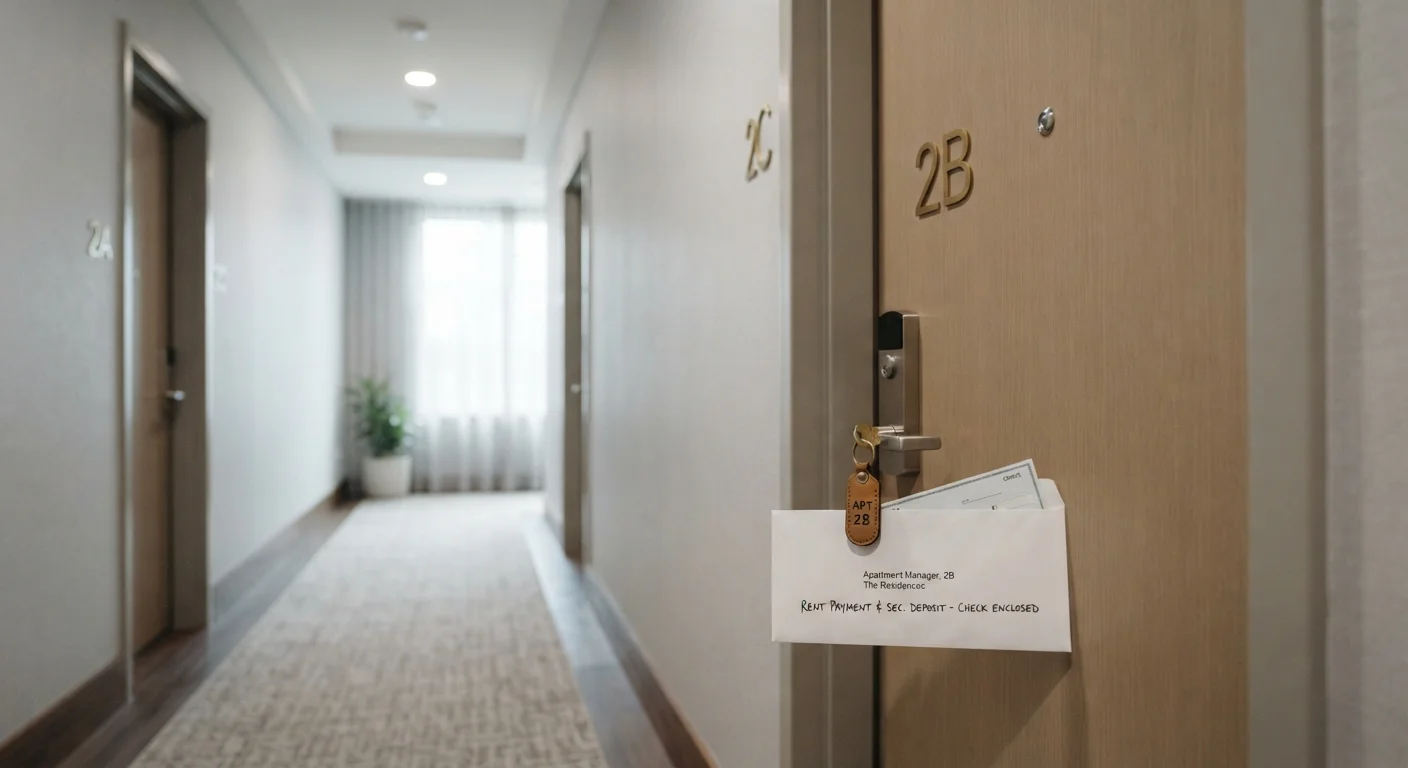
Photo credit: SkripTee.com | Search. Explore. Learn.
In this article
How security deposits work, what landlords can legally deduct, and how to protect your chances of getting the full amount back.
What Is a Security Deposit and How Much Can a Landlord Charge?
A security deposit is money a tenant pays upfront - before moving in - that a landlord holds as financial protection against unpaid rent or property damage beyond normal wear and tear. It is not a fee; it remains the tenant's money unless there is a documented, legitimate reason for a deduction.
| Typical deposit cap | 1-2 months' rent (Varies by state statute) |
| Return deadline range | 14-60 days after move-out (Varies by state law) |
| States requiring interest on deposits | Approximately 15 states (Varies; check local law) |
| Penalty for wrongful withholding | 2-3x deposit in many states (State-specific; consult local tenant law) |
| Separate account required | Required in many states (Varies by jurisdiction) |
How much a landlord can charge varies significantly by state. Some states cap deposits at one month's rent, others allow two months, and a handful set no statutory limit. A few states also regulate interest - requiring landlords to hold deposits in separate bank accounts and, in some cases, pay tenants interest on the held funds.
If you're new to the rental process, see our guide for first-time renters for a broader overview of what to expect before signing a lease.
What Landlords Can - and Cannot - Legally Deduct
This is the area where most deposit disputes originate. Landlords are generally permitted to deduct for:
- Unpaid rent - any rent still owed at the end of the tenancy
- Damage beyond normal wear and tear - such as large holes in walls, broken fixtures, or significant stains
- Cleaning costs - only if the unit is left in materially worse condition than it was received
- Lease violations - in some states, costs tied to specific lease breaches
What landlords generally cannot deduct for includes normal wear and tear - minor scuffs on walls, small nail holes, or carpet that has simply aged with use. This distinction matters enormously, and disputes frequently hinge on it.
Security deposit
Money paid by a tenant before occupancy and held by the landlord to cover potential unpaid rent or property damage. It must be returned - minus any lawful deductions - after the tenancy ends.
Normal wear and tear
Minor deterioration that occurs through ordinary, everyday use of a rental unit - such as small scuffs, faded paint, or minor carpet wear. Landlords generally cannot charge tenants for this.
Itemized deduction statement
A written document landlords are typically required to provide within a statutory deadline, listing each specific deduction from the deposit and its dollar amount.
Small claims court
A local court designed to resolve low-dollar civil disputes quickly and inexpensively. Tenants commonly use it to recover wrongfully withheld security deposit funds.
Understanding exactly what counts as "damage" versus normal aging is one of the most common pitfalls renters face. Our article on why good tenants still lose their deposits covers the specific missteps that cost renters money even when they've been responsible occupants.
Return Timelines, Documentation, and Dispute Rights
Every state sets a deadline by which landlords must return the deposit - or provide an itemized written statement of deductions. These deadlines commonly range from 14 to 30 days after the lease ends and the tenant vacates, though some states allow up to 45 or 60 days. Missing this deadline can, in many states, result in the landlord forfeiting the right to make any deductions - and may entitle the tenant to penalty damages.
Document Everything at Move-In and Move-Out
Before moving in, photograph every room thoroughly and note any existing damage in writing - ideally acknowledged by the landlord. At move-out, repeat the process and request a joint inspection walkthrough where your state law permits it. These steps create the clearest possible record if a dispute arises over deductions.
To protect yourself, document the unit thoroughly at both move-in and move-out. Take dated photos and videos of every room, and request a joint walk-through with your landlord at move-out when state law allows it. Keep all written communications - this paper trail is your strongest asset in any dispute. See our landlord communication guide for practical habits that create a defensible record.
If you believe deductions are unjustified, you typically have the right to dispute them in small claims court. Filing fees are generally modest, and many states allow tenants to seek two or three times the wrongfully withheld amount as a penalty. Check your state attorney general's office or local tenant rights organization for jurisdiction-specific rules.
Security deposit rules are distinct from earnest money, which applies to home purchases rather than rentals. If you're exploring both renting and buying, our overview of how earnest money works explains that separate process.
Finally, renters often assume their security deposit protects them against all financial exposure - it doesn't. Personal property loss, liability claims, and losses from theft or fire fall outside the deposit entirely. A renters insurance policy is the right tool for those risks.

Author
Real Estate Editorial Team
Real Estate Editorial Team is the collective byline for our editorial team and contributor network. Articles published under this byline or an editorial pen name are researched, written, and reviewed according to our editorial standards for clarity, consistency, and independence before publication.
View all articles →