
What a Lease Agreement Actually Says - and What to Watch For
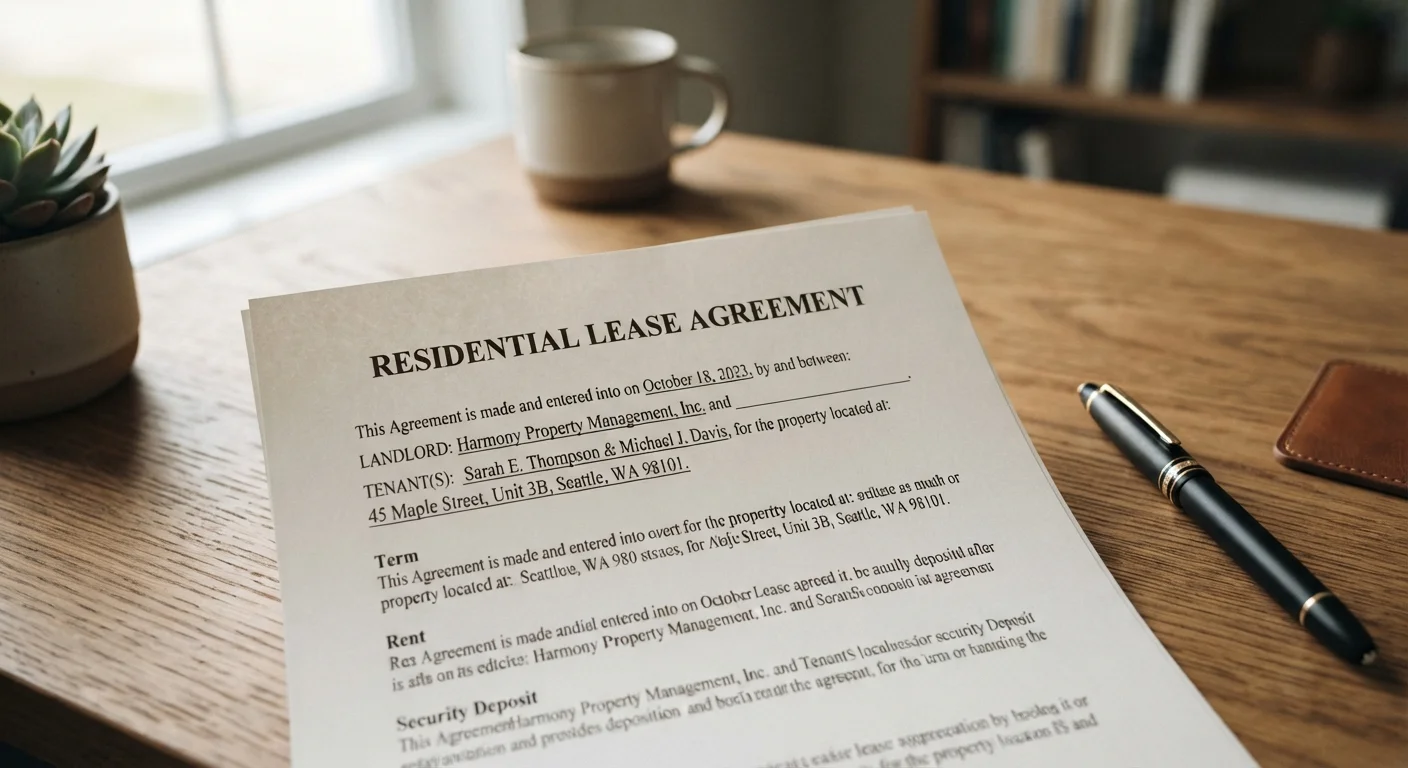
Photo credit: SkripTee.com | Search. Explore. Learn.
In this article
Lease clauses explained in plain language, including the terms that often catch renters off guard after they've already signed.
Key Takeaways
- A lease is a legal contract - every clause carries real-world consequences once you sign.
- Clauses about security deposits, late fees, and lease-breaking are among the most commonly misunderstood.
- Some lease terms are unenforceable under state law, even if a landlord includes them.
- Always read the full document before signing, and ask for clarification in writing on anything unclear.
- Negotiating lease terms before signing is often possible - don't assume every clause is fixed.
The Core Structure of a Lease
Most residential leases follow a predictable structure, even if the language varies by landlord or state. Understanding how a lease is organized helps you read it more efficiently and know where to focus your attention.
A standard lease will identify the parties (landlord and tenant), describe the property, state the lease term (start and end dates), and specify the monthly rent and due date. These are the non-negotiable basics - get them right before moving on to anything else.
Following the basics, you'll find operational clauses covering topics like security deposits, maintenance responsibilities, guest policies, pet rules, subletting, and what happens at lease-end. These sections vary widely and deserve a careful read. If you're navigating your very first rental, our primer for first-time renters covers the broader context you'll need before diving into the document itself.
Read Every Page - Including the Addenda
Many leases attach addenda covering pets, parking, utilities, or community rules. These pages are legally part of the contract but are easy to overlook. Make sure you read and understand every attachment before you sign the main document.
Clauses That Catch Renters Off Guard
Certain lease provisions regularly surprise tenants - not because they're hidden, but because they're easy to skim past.
Security Deposit Rules
The lease should specify the deposit amount, what it covers, and the conditions under which it will be returned. Many renters assume they'll get it all back unless there's serious damage. In practice, leases often permit deductions for cleaning, repainting, or items considered beyond normal wear and tear - a term that's frequently disputed. Conducting a thorough pre-move-in inspection and documenting the unit's condition in writing is one of the best protections you have. Our pre-lease inspection checklist walks through exactly how to do this.
Late Fees and Grace Periods
Leases often impose late fees after a grace period - commonly three to five days past the due date. The fee structure matters: some are flat amounts, others are a percentage of rent. Confirm both the grace period length and whether fees compound over time.
Early Termination Penalties
If life changes and you need to leave before the lease ends, expect costs. Many leases require two months' rent as a termination fee, forfeiture of the deposit, or both. Some states require landlords to mitigate losses by actively seeking a new tenant - which can reduce what you ultimately owe - but your lease may not mention this right voluntarily.
Automatic Renewal Clauses
Some leases include an auto-renewal provision: if you don't give written notice of your intent to vacate by a specified deadline - sometimes 60 days before the lease ends - the lease renews automatically for another full term. Missing this window can trap you into another year's commitment.
State Law Can Override Lease Clauses
Even if a clause appears in your signed lease, it may be unenforceable if it conflicts with your state's landlord-tenant statutes. Common examples include clauses waiving a landlord's habitability obligations or allowing entry without proper notice. When in doubt, look up your state's tenant rights or consult a local legal aid organization.
Maintenance, Access, and Alterations
Your lease will distinguish between what the landlord is responsible for maintaining and what falls to you. Structural systems, appliances provided with the unit, and common areas are typically the landlord's domain. Renters are generally responsible for keeping the unit clean and reporting damage promptly.
The landlord entry clause governs when and how your landlord may enter the property. Most states require advance written notice - commonly 24 hours - except in genuine emergencies. If your lease gives the landlord broad access rights with little notice, that may conflict with your state's law, which generally prevails.
Alterations - painting walls, installing shelving, mounting a TV - are usually prohibited or restricted without prior written approval. Unauthorized changes can result in deductions from your security deposit at move-out. When in doubt, get any landlord permission in writing rather than relying on a verbal agreement.
~50%
Renters who read their full lease before signing
Research from tenant advocacy organizations suggests a significant portion of renters skim or skip portions of their lease, leaving them unaware of key obligations.
30-45 days
Typical landlord window to return security deposits
Most U.S. states require landlords to return security deposits within 14 to 45 days of move-out, with itemized deductions; exact timelines vary by state law.
24 hours
Standard landlord notice requirement before entry
The majority of U.S. states set a minimum of 24 hours advance written notice for non-emergency landlord entry, though some states require more.
Knowing Your Options Before and After Signing
A lease is not entirely take-it-or-leave-it. Many clauses are negotiable, particularly in slower rental markets or when you're a strong candidate as a tenant. Our article on negotiating lease terms outlines which provisions landlords commonly agree to modify and how to approach that conversation professionally.
The structure of the lease itself - fixed-term versus month-to-month - also shapes your flexibility significantly. For a balanced look at the trade-offs between commitment and adaptability, see our comparison of month-to-month tenancy vs. fixed-term leases.
If you encounter a clause that seems unusual, consult a local tenant rights organization or a licensed attorney before signing. Signing a lease creates legal obligations - taking an extra day to understand what you're agreeing to is almost always worth it.
This article is for general informational purposes only and does not constitute legal advice. Lease laws vary by state and locality. Consult a qualified attorney or tenant rights organization for guidance specific to your situation.
Frequently Asked Questions

Author
Real Estate Editorial Team
Real Estate Editorial Team is the collective byline for our editorial team and contributor network. Articles published under this byline or an editorial pen name are researched, written, and reviewed according to our editorial standards for clarity, consistency, and independence before publication.
View all articles →