
Cruise Travel Insurance: What Coverage Typically Applies at Sea
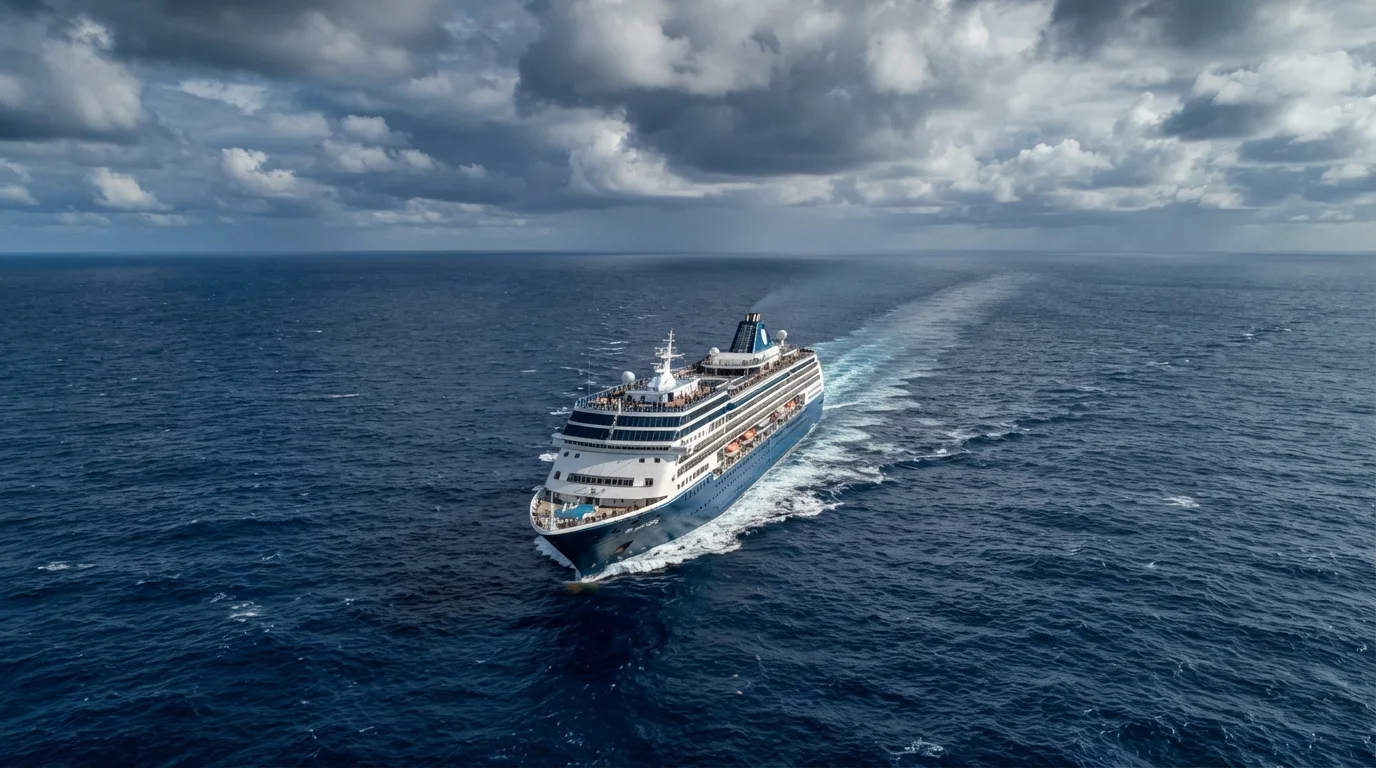
Photo credit: SkripTee.com | Search. Explore. Learn.
In this article
Trip cancellation, medical evacuation, missed ports — understand the types of cover relevant to cruising and why standard policies may fall short.
Key Takeaways
- Standard travel insurance often has coverage gaps that matter specifically at sea.
- Medical evacuation from a ship can cost tens of thousands of dollars without dedicated coverage.
- Trip cancellation coverage typically requires a 'covered reason' - not simply a change of plans.
- Missed port departure coverage helps if you're stranded ashore when the ship departs.
- Cruise-line-sold policies and independent policies differ in scope and flexibility.
- Always verify policy details with official government and provider sources before sailing.
Why Cruising Creates Unique Insurance Needs
A cruise is not a typical trip. Once a ship leaves port, passengers are in a remote environment where commercial medical facilities, flight options, and routine logistics are unavailable. That remoteness reshapes what insurance needs to do.
Consider that a medical evacuation from a ship at sea - by coast guard helicopter or tender to a shoreside facility - can cost upward of $50,000 depending on location, according to travel insurance industry sources. Shipboard medical centers charge at rates comparable to or exceeding US private hospitals. Standard health insurance, including Medicare, generally does not apply in international waters or foreign ports.
These realities make reviewing insurance coverage a practical necessity rather than an optional precaution. Our pre-cruise checklist includes reviewing your insurance documents as a key step before embarkation day.
$50,000+
Typical cost of at-sea medical evacuation
Travel insurance industry sources indicate emergency evacuations from ocean vessels can exceed this figure depending on location and medical complexity.
~14-21 days
Window to unlock time-sensitive policy benefits
Many insurers require purchase within two to three weeks of your initial trip deposit to qualify for pre-existing condition waivers and CFAR options.
50-75%
Typical CFAR reimbursement rate
Cancel For Any Reason riders generally reimburse a portion - not the full amount - of prepaid non-refundable trip costs.
Core Coverage Types Relevant to Cruisers
Understanding what each coverage category actually does helps you evaluate whether a policy is suited to ocean travel.
Trip Cancellation and Interruption
Trip cancellation reimburses prepaid, non-refundable costs if you cancel before departure for a covered reason - typically serious illness, injury, or death of the traveler or a family member, jury duty, or certain natural disasters. Trip interruption covers similar situations that arise after the voyage begins, often reimbursing the unused portion of your trip plus transportation home.
The critical variable is the policy's list of covered reasons. If your reason for cancelling isn't on that list, the claim will likely be denied. Cancel For Any Reason (CFAR) riders extend flexibility but reimburse only a portion of costs and carry eligibility windows.
Emergency Medical and Evacuation
This is arguably the most important coverage for cruisers. Look for policies with high medical limits - ideally $100,000 or more - and dedicated emergency evacuation coverage that specifies repatriation to a hospital of your choosing, not merely to the nearest available facility. Some policies separately cap evacuation costs, so verify those figures independently.
Missed Port Departure
If you're ashore during a port call and miss the ship's departure - due to a shore excursion delay, traffic, or another disruption - missed port departure coverage typically funds transportation to the next port so you can rejoin the voyage. This is a cruise-specific benefit not found in most standard travel policies.
Purchase Shortly After Your Deposit
Many time-sensitive benefits - including pre-existing condition waivers and Cancel For Any Reason riders - are only available if you purchase your policy within a defined window after making your initial trip deposit, often 14-21 days. Waiting until closer to departure may mean losing access to those provisions entirely.
Cruise-Line Policies vs. Independent Insurance
Cruise lines commonly offer insurance at booking - and the simplicity is appealing. However, these policies are typically underwritten by a single insurer selected by the cruise line, which means limited ability to compare terms or adjust coverage levels.
Independent policies purchased through licensed insurance providers or brokers allow you to match specific coverage features to your trip profile: itinerary length, destination region, number of travelers, health considerations, and trip cost. Families, for instance, may find that policies covering all members under one plan with pediatric-specific provisions are easier to find through independent channels. See our guide on travelling with children on a cruise for related family planning considerations.
For a broader look at how travel insurance categories compare, the travel insurance decoded guide provides a useful framework.
Cruise-Line Policies Are Not Regulated the Same Way
Insurance sold directly by cruise lines is typically administered by a third-party insurer, but the cruise line controls the product terms. This means your recourse in a dispute may differ from what you'd have with a standalone policy from a licensed insurer. Reading the certificate of insurance - not just the marketing summary - is essential before relying on any policy.
What to Examine Before You Buy
Not all cruise insurance products are created equal. Before purchasing any policy, review these key elements:
- Coverage limits - especially for emergency medical and evacuation
- Covered reasons list - for cancellation and interruption claims
- Pre-existing condition clauses - and whether a waiver is available if purchased promptly after deposit
- Destination scope - ensure your itinerary ports are included, particularly if sailing to less-traveled regions
- Baggage and delay coverage - secondary coverage that applies after other insurance is usually less valuable than primary coverage
Cruise passengers planning shore excursions independently - rather than through the ship - face additional exposure if missed departures result from self-arranged transport. Understanding those tradeoffs is worth considering before finalizing port plans; our shore excursions guide covers the key differences.
As part of your broader trip preparation, consider reviewing the hidden costs that catch cruise passengers off guard, since understanding your full financial exposure helps determine how much coverage you actually need.
This article is for general informational purposes only and does not constitute insurance, financial, or legal advice. Policy terms, coverage, and eligibility vary by provider and individual circumstances. Always review policy documents carefully and consult a licensed insurance professional before making coverage decisions. Verify current entry requirements, health conditions, and travel advisories with official government and provider sources before travelling.
Frequently Asked Questions

Author
Travel Editorial Team
Travel Editorial Team is the collective byline for our editorial team and contributor network. Articles published under this byline or an editorial pen name are researched, written, and reviewed according to our editorial standards for clarity, consistency, and independence before publication.
View all articles →