
Pre-Cruise Checklist: What to Confirm Before Embarkation Day
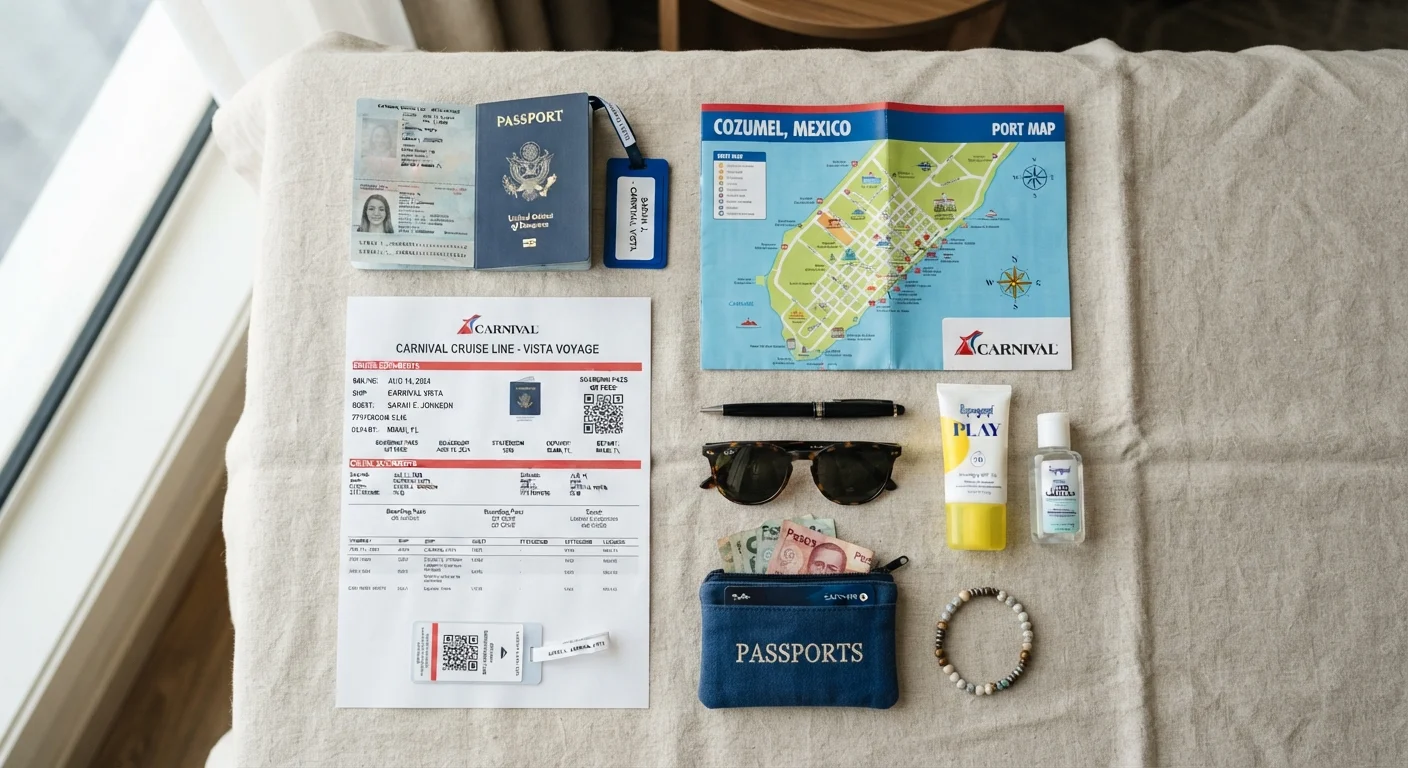
Photo credit: SkripTee.com | Search. Explore. Learn.
Travel documents, dietary requests, shore excursion bookings, onboard account setup — a structured checklist to work through in the weeks before you sail.
Key Takeaways
- Complete online check-in well before sailing day to avoid pier delays and secure preferred boarding times.
- Verify all travel documents meet cruise line and destination-country requirements at least two weeks out.
- Dietary requests, specialty dining, and shore excursions should be confirmed before embarkation - not after.
- Setting up your onboard account and reviewing gratuity policies in advance prevents billing surprises at sea.
- Travel insurance terms should be reviewed carefully; standard policies may not cover cruise-specific risks.
Why Pre-Cruise Preparation Matters
Embarkation day moves fast. Thousands of passengers board within a narrow window, and the crew transitions the ship from port operations to full sailing mode simultaneously. What feels like a minor oversight at home - a missing document, an unconfirmed dining preference, a forgotten excursion booking - can consume hours of your first vacation day or, in some cases, prevent boarding entirely.
This checklist is designed to be worked through in the two to three weeks before you sail, ideally in two sessions: one focused on documents and logistics, one on onboard preferences and day-of planning. For a broader look at general pre-departure tasks, see our pre-departure checklist covering finances, home security, and health prep.
If you're new to cruise terminology - tender ports, muster stations, gratuity structures - our cruise terminology glossary is a useful companion before working through the items below.
Travel Documents
Online Check-In and Boarding
Dining and Dietary Preferences
Shore Excursions and Port Planning
Onboard Account and Finances
Health, Safety, and Special Needs
Tools You'll Need
Before sitting down to run through this checklist, gather the following. Having everything in one place makes the process faster and reduces the chance of missing something.
Cruise Line Online Account / Passenger Portal
Used to complete online check-in, select boarding times, reserve dining, and set up your onboard account.
Valid Passport and Visas
Required for boarding and entry at international ports; confirm validity and visa requirements before sailing.
Travel Insurance Policy Documents
Needed to verify coverage for medical emergencies, evacuation, trip interruption, and missed ports specific to cruising.
Official Government Travel Advisory Sites
Used to verify current entry requirements, visa rules, and safety advisories for each port of call.
Credit or Debit Card
Required to fund your onboard account; notify your card provider of travel dates in advance.
Printed Document Folder or Digital Wallet App
Keeps boarding passes, booking confirmations, excursion tickets, and insurance documents accessible in one place.
Onboard Finances and Insurance
Financial preparation is one of the most overlooked aspects of cruise planning. Your onboard account functions like a hotel folio - charges accumulate throughout the voyage and are settled at the end. Confirm whether your cruise line applies daily automatic gratuities, what the rate is, and whether you'd prefer to pre-pay. Review any beverage or dining packages you've purchased to understand exactly what's included and what incurs extra charges.
Onboard Account Surprises Are Common
Many first-time cruisers underestimate how quickly onboard charges accumulate, particularly if beverage packages, Wi-Fi, and specialty dining weren't pre-purchased. Review exactly what your package includes before boarding and ask the cruise line for a written breakdown. Setting a daily spending limit through the passenger portal - where available - can help you track costs in real time.
Travel insurance deserves particular attention before a cruise. Standard travel policies may not cover medical evacuation from international waters, missed port fees, or trip interruption caused by itinerary changes. Review your policy documents carefully and verify coverage specifics. Our guide to cruise travel insurance explains the types of cover most relevant to ocean voyages.
Once you've cleared the financial and insurance items, shift attention to embarkation day itself. Our article on making the most of embarkation day walks through check-in navigation, cabin readiness, muster drills, and dining reservations - so your first afternoon onboard is spent relaxing rather than scrambling.
Finally, don't leave packing until the last moment. The cruise packing guide covers what experienced passengers consistently bring, from formal night attire to seasickness remedies.
Missing Documents Can Mean Missing the Ship
Cruise lines and port authorities enforce document requirements strictly. A passport that doesn't match your booking name, a missing visa for a port of call, or an expired travel document can result in denied boarding - with no guarantee of a refund. Verify all document requirements at least two weeks before sailing, and always check official government sources rather than relying solely on cruise line summaries, as entry rules can change.

Author
Travel Editorial Team
Travel Editorial Team is the collective byline for our editorial team and contributor network. Articles published under this byline or an editorial pen name are researched, written, and reviewed according to our editorial standards for clarity, consistency, and independence before publication.
View all articles →