
A Cruise Terminology Glossary: From Aft to Tender Port
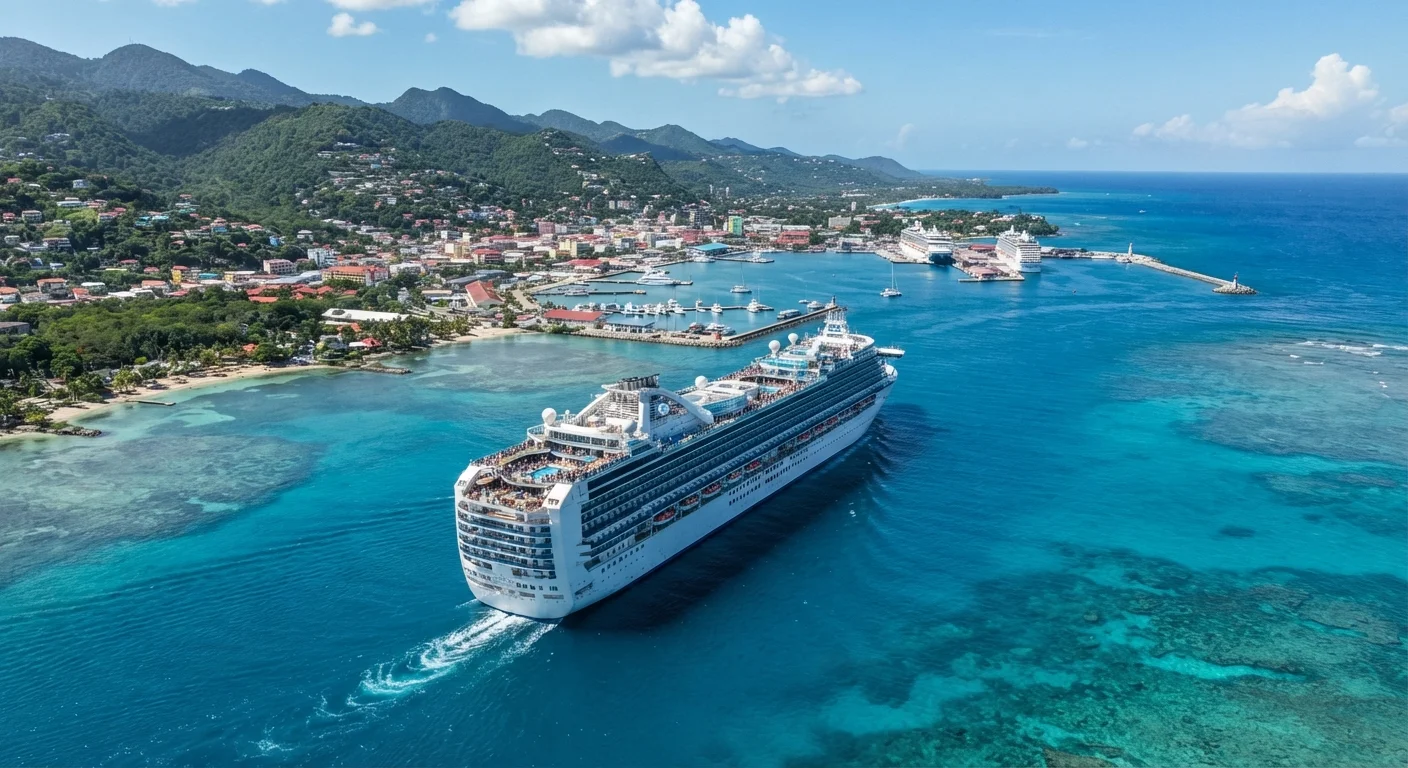
Photo credit: SkripTee.com | Search. Explore. Learn.
In this article
Aft, starboard, muster station, tender port, repo cruise — a quick-reference glossary of the cruise industry terms every passenger encounters.
Navigation and Ship Layout Terms
Walking onto a large cruise ship for the first time can feel disorienting - especially when crew members give directions using nautical terminology rather than everyday language. Learning a handful of orientation terms before you board makes a significant practical difference.
Aft, forward, port, and starboard are the four directional anchors of ship navigation. Aft refers to the rear of the vessel; forward is the front. Port is the left side when facing forward, and starboard is the right. These terms appear on cabin descriptions, deck plans, and onboard signage throughout your voyage.
Decks are numbered floors of the ship, typically rising from lower engineering levels to the topmost open-air areas. The Lido Deck is usually one of the highest passenger decks and hosts the main pool and casual dining. The promenade deck - found on many traditional ships - is a wraparound exterior walkway at a mid-ship level.
Staterooms are categorized by location and view: inside (no window), oceanview (porthole or window), balcony, and suite. Midship cabins on lower decks generally experience the least motion in rough weather - a useful consideration for passengers prone to seasickness. See our packing guide for seasoned cruisers for motion-sickness essentials to bring aboard.
Port and Itinerary Terminology
Cruise itineraries involve a specific vocabulary that passengers encounter both during booking and once onboard. Understanding these terms helps you plan shore time and manage expectations at each destination.
| Origin of 'Port' (left side) | Derived from the side a ship faced when docking at port to load cargo (Maritime history) |
| Muster Drill Requirement | Mandatory for all passengers before or shortly after departure (International Maritime Organization (IMO) regulations) |
| Typical Tender Capacity | 100-150 passengers per tender boat (General cruise industry standard) |
| Repositioning Cruise Duration | Often 10-21 days, with multiple sea days (General cruise industry norm) |
| Gratuity Method | Automatically charged daily per person on most major lines (Standard cruise line billing practice) |
A port of call is any destination the ship visits during its itinerary. The home port - also called the embarkation port - is where the voyage begins and ends. Some cruises operate as round-trip itineraries returning to the same port; others are one-way, departing and arriving at different cities.
A tender port is a destination where the ship cannot dock directly at a pier. Instead, passengers board smaller tender vessels that ferry them to and from shore. Tender availability can be affected by weather and sea conditions, and some lines prioritize passengers who have booked official shore excursions. Arrival times in tender ports are typically longer from ship to shore than at docked ports.
A repositioning cruise - sometimes called a repo cruise - occurs when a ship relocates between deployment regions, often transatlantic or transpacific. These sailings feature fewer port stops and more sea days, appealing to passengers who enjoy extended time onboard. For everything you need to prepare before departure, our pre-cruise checklist covers the key logistics.
Muster Drill: What Has Changed
Many cruise lines now offer digital or 'e-muster' safety briefings completed via a stateroom TV or mobile app before sailing, replacing the traditional group assembly on deck. Passengers still check in at their muster station physically, but the process is typically shorter and more flexible than the older all-hands drill format. Check your cruise line's specific requirements before boarding.
Onboard Life and Administrative Terms
Beyond navigation and itineraries, cruise passengers regularly encounter a set of onboard procedural terms - from embarkation paperwork to dining reservations and account management.
Embarkation is the boarding process at the start of the cruise. Most lines assign embarkation time windows, and passengers complete document checks and security screening before boarding. Disembarkation is the departure process at the end of the voyage; it typically follows a structured schedule by deck or luggage tag color.
The muster drill (also called a safety drill or lifeboat drill) is a mandatory safety briefing all passengers must complete, as required by international maritime regulations. Passengers learn the location of their assigned muster station and review emergency procedures. Many lines have shifted to digital e-muster formats that passengers complete via app or cabin TV before sailing.
Your onboard account - sometimes called a folio - tracks charges accumulated during the voyage: specialty dining, spa services, beverages, and shore excursions. Most ships operate as cashless environments onboard, with a credit or debit card linked at embarkation. Gratuities are typically added automatically as a daily service charge per person. For a detailed breakdown of how tipping works across different lines, see our cruise gratuities guide.
If this is your first voyage, our complete first-cruise guide walks through every stage from booking to disembarkation in plain language.
~300
Average number of ports visited annually by a major cruise ship
Large cruise vessels typically operate year-round itineraries across multiple regions and seasons.
20%
Estimated share of cruise itineraries using tender ports
Many popular destinations - particularly in the Caribbean and Mediterranean - require tendering due to shallow harbors or pier limitations.

Author
Travel Editorial Team
Travel Editorial Team is the collective byline for our editorial team and contributor network. Articles published under this byline or an editorial pen name are researched, written, and reviewed according to our editorial standards for clarity, consistency, and independence before publication.
View all articles →