
Your First Cruise: Everything You Need to Know Before You Board
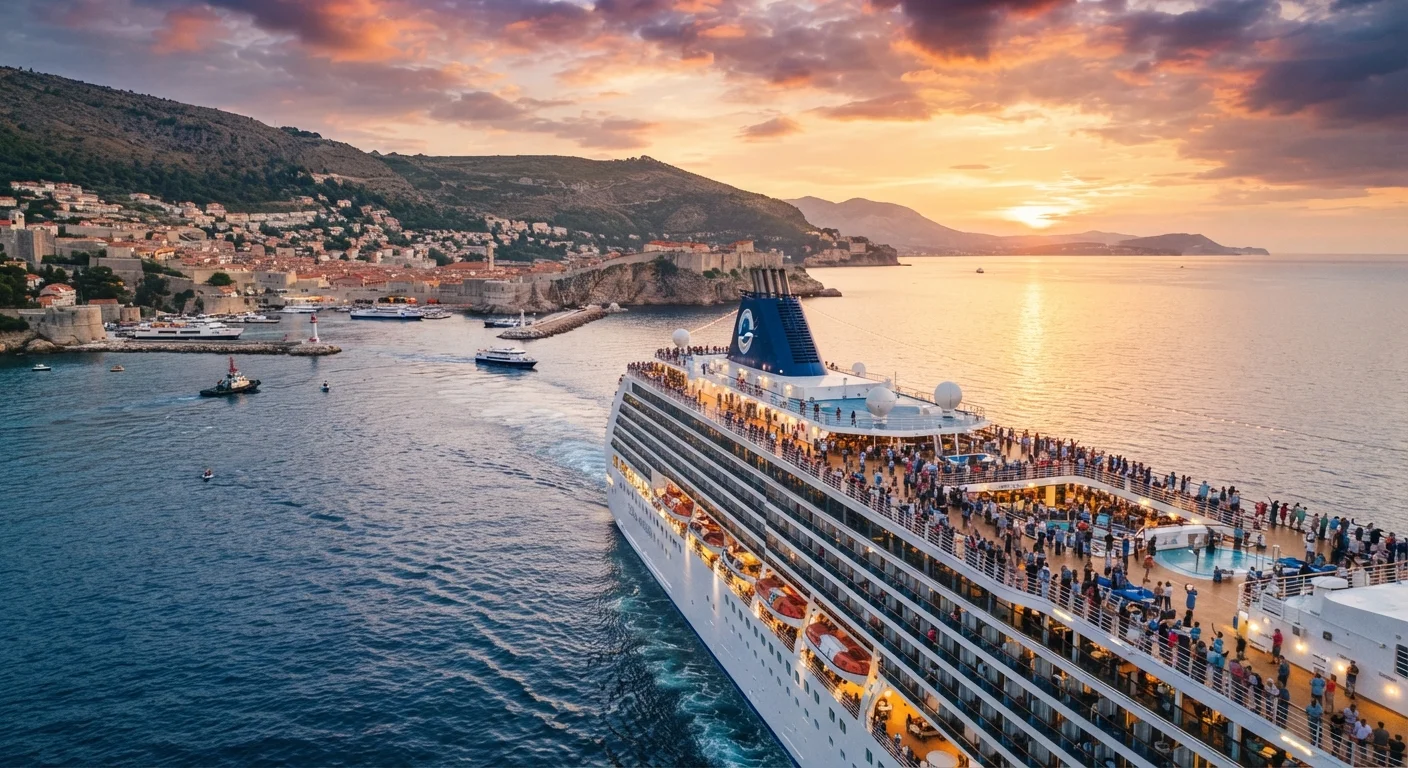
Photo credit: SkripTee.com | Search. Explore. Learn.
In this article
New to cruising? This end-to-end guide covers ship types, itineraries, what to pack, embarkation day, and onboard life explained simply.
Key Takeaways
- Ship size and itinerary style shape your entire cruise experience - choose based on your travel personality.
- Documents, dining reservations, and onboard account setup should be handled weeks before you sail.
- The base fare rarely covers everything - gratuities, specialty dining, and drinks often add significantly to your total cost.
- Shore excursions booked through the cruise line offer convenience; independent options can offer more flexibility.
- Embarkation day runs smoother when you arrive with a plan - cabins may not be ready until early afternoon.
Choosing the Right Ship and Itinerary
The single biggest variable in a cruise experience is the ship itself. Vessels range from intimate expedition ships carrying fewer than 200 passengers to mega-ships with over 5,000 guests, multiple pools, Broadway-style shows, and onboard surf simulators. Larger ships offer more onboard amenities; smaller ships reach narrower ports and feel more personal.
Itinerary style matters just as much. A Caribbean loop from a Florida homeport suits travelers who want warm weather and beach days. Mediterranean sailings typically offer dense cultural port stops. If slower travel and river towns appeal to you, the differences between river and ocean cruising are worth understanding before you commit.
Homeport
The port city from which your cruise departs and returns. Choosing a homeport close to home can reduce pre-trip travel costs and complexity.
Closed-loop sailing
A cruise that departs from and returns to the same US port. US citizens on closed-loop cruises may be able to use a birth certificate and photo ID instead of a passport, though a passport is always recommended.
Sea day
A day at sea with no port stop. Ships typically fill sea days with onboard activities, entertainment, and relaxation opportunities.
Tender
A small vessel used to ferry passengers from a ship to a port when the ship cannot dock directly. Tender ports add time and can be affected by weather conditions.
Muster drill
A mandatory safety briefing required before or shortly after departure covering lifeboat locations and emergency procedures. Required by international maritime law.
Shore excursion
An organized activity or tour available at a port of call. Excursions can be booked through the cruise line or independently from local operators.
For families, consider ships with dedicated children's programming. For more detail, see our overview of cruising with children.
What to Know Before Embarkation Day
Preparation in the weeks before sailing pays dividends on the day itself. Confirm your travel documents are in order - passport validity requirements vary by destination. Make specialty dining reservations as soon as they open, since popular restaurants fill quickly. Set up your onboard account and link a payment method through the cruise line's app or website.
Our pre-cruise checklist covers dietary requests, shore excursion pre-booking, and everything else to work through systematically. Packing is its own discipline - experienced cruisers have a consistent list of essentials that first-timers often overlook. See what seasoned passengers always bring before you zip your suitcase.
Book Specialty Dining Early
Many cruise lines open specialty restaurant reservations 60-90 days before sailing for loyalty members and sometimes sooner than general passengers expect. Logging into your booking portal early and reserving on the first available day dramatically improves your chances of getting preferred times. Popular restaurants on large ships can fill within hours of opening.
Navigating Life Onboard
Embarkation day establishes your rhythm. Cabins are typically not ready until 1:00-2:00 PM, so most passengers board, explore the ship, and have lunch first. Completing the mandatory muster drill is required before or shortly after departure - it covers emergency procedures and lifeboat assignments. For a detailed walkthrough of that first day, see our guide to embarkation day done right.
Onboard life is structured but flexible. Main dining rooms offer set or flexible dining times. Buffets run throughout the day. Most ships include entertainment - from live music to comedy shows - at no extra charge. Spa, specialty restaurants, and premium beverages are typically pay-as-you-go. Your cruise card (or app-based account) functions as your room key, ID, and payment method throughout the voyage.
Your Cruise Card Is Everything
From the moment you board, your cruise card (or its digital equivalent in the line's app) functions as your stateroom key, identification when re-boarding at ports, and your onboard payment method. Keep it accessible at all times. Losing it at a port can complicate re-boarding - report it to guest services immediately if misplaced.
Ports, Shore Excursions, and Getting Around
Most itineraries alternate between sea days and port days. In port, passengers can book excursions through the cruise line or explore independently. Cruise line excursions are vetted and guarantee return before departure - a meaningful benefit for nervous first-timers. Independent exploration can offer more flexibility and sometimes lower cost, but requires careful time management.
Research each port before you arrive. Some ports require a tender (small boat) transfer from ship to shore rather than a direct dock. Accessibility can vary significantly. For broader trip planning guidance, including how to structure itineraries, our trip planning hub offers complementary resources.
Never Miss the Ship's Departure Time
Ships operate on fixed schedules and depart ports regardless of whether all passengers have returned. Each port's all-aboard time is published in the daily schedule - it is typically 30-60 minutes before the ship's actual departure. If you are exploring independently, build in significant buffer time and know the ship's departure time before you leave the pier.
Budgeting and Hidden Costs
The advertised cruise fare is rarely the final figure. Daily gratuities - charged automatically in most cases - typically range from $15 to $20 per person per day. Beverage packages, specialty dining, shore excursions, Wi-Fi, and spa treatments all sit outside the base fare. Budget accordingly rather than assuming inclusions.
That said, cruise travel can represent strong value when budgeted correctly - accommodation, transport between destinations, and most meals are bundled. Understanding what is and isn't included before you book prevents sticker shock at debarkation. Review the cruise line's published policies on gratuities and beverage inclusions; these vary meaningfully between lines. For general travel budgeting tips, our travel tips section has practical guidance applicable beyond cruising.
Frequently Asked Questions

Author
Travel Editorial Team
Travel Editorial Team is the collective byline for our editorial team and contributor network. Articles published under this byline or an editorial pen name are researched, written, and reviewed according to our editorial standards for clarity, consistency, and independence before publication.
View all articles →