
Add-Ons at the Finance Desk: What's Optional and What to Scrutinise
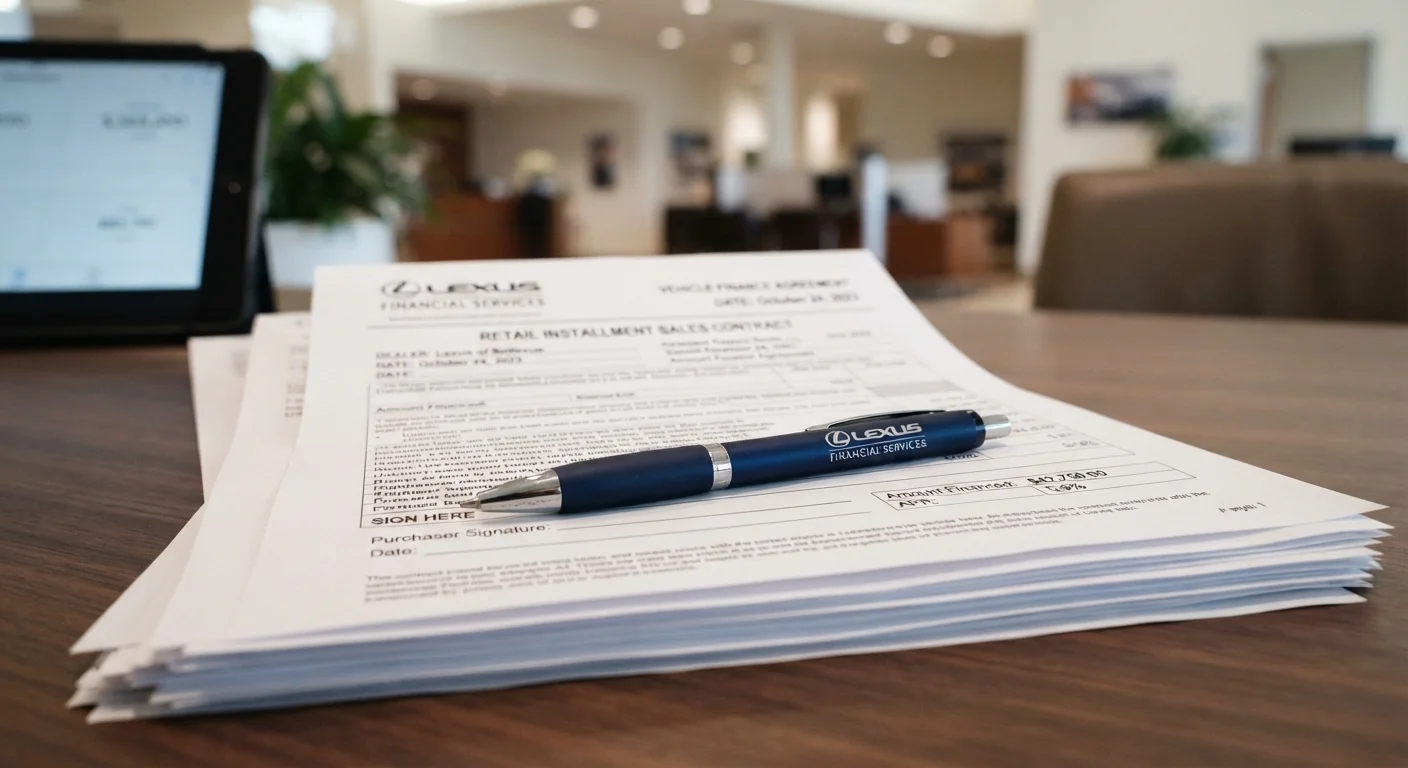
Photo credit: SkripTee.com | Search. Explore. Learn.
In this article
Extended warranties, gap insurance, paint protection — learn what each dealership add-on actually covers and how to evaluate whether you need it.
Key Takeaways
- Every add-on offered at the finance desk is optional - you are never required to accept any of them.
- Some products, like gap insurance, may be genuinely useful depending on your loan structure and down payment.
- Many add-ons can be purchased separately after the sale, often at lower cost.
- Reading the actual contract terms - not just the verbal pitch - is essential before agreeing to anything.
- Adding costs to your loan means paying interest on those extras over the life of the loan.
What Happens at the Finance Desk
After negotiating the vehicle price, buyers are directed to the finance and insurance (F&I) office - often called simply the finance desk. This is where loan paperwork is processed, but it's also where a menu of additional products is presented, sometimes at a pace that makes careful evaluation difficult.
None of these add-ons are legally required as a condition of the sale. A dealer cannot force you to purchase an extended warranty or any other product as a prerequisite for financing, though some may present them that way. Understanding each product clearly - before you're sitting across from a finance manager - is one of the most practical steps you can take. See our checklist of questions to raise before signing for broader preparation advice.
Below is a breakdown of the most common add-ons, what they actually cover, and the factors worth weighing for each.
Extended Warranty (Vehicle Service Contract)
An extended warranty - more accurately called a vehicle service contract - provides repair coverage beyond the manufacturer's original warranty. These are among the most commonly offered and most variable products at the finance desk.
Key questions to ask: What components are actually covered? What's the deductible per visit? Are there exclusions for wear items like brake pads and tires? Can you use any licensed repair shop, or only the dealer's service department? Is the contract backed by the manufacturer or a third-party administrator?
Third-party administrators vary significantly in their claims practices and financial stability. If you're considering this product, verify the administrator's reputation independently. Also consider: many manufacturers sell their own extended warranty programs, and these can sometimes be purchased after delivery - you are not always limited to what's on offer at signing.
Not all vehicle service contracts are equal - the administrator behind it matters as much as the price.
Gap Insurance
Gap insurance (Guaranteed Asset Protection) covers the difference between what you owe on your auto loan and what your vehicle is actually worth if it's totaled or stolen. Because new vehicles depreciate quickly - sometimes losing a significant portion of value in the first year - a standard auto insurance payout based on actual cash value may fall short of your loan balance.
This product is most relevant when you've made a small down payment, chosen a long loan term (72 or 84 months), or are financing a vehicle that depreciates faster than average. If you put down 20% or more and have a shorter loan term, the gap between loan balance and vehicle value closes more quickly, reducing the need.
Importantly, gap insurance is also available through many auto insurance providers, often at a lower total cost than what dealerships charge. Compare before committing at the desk.
Gap insurance is worth examining carefully if your down payment was small or your loan term is long.
Paint and Fabric Protection
Paint protection packages typically involve a sealant or ceramic coating applied to the vehicle's exterior, while fabric protection applies a stain-resistant treatment to interior upholstery. These are often presented as permanent or long-lasting solutions.
The reality is more nuanced. Many protective treatments available at dealerships are similar to products available at auto parts retailers for a fraction of the cost. The durability of dealership-applied treatments varies, and the warranties attached to them often require you to return to the dealership for re-application, limiting their practical value.
If you're interested in genuine paint protection - particularly for a new vehicle exposed to harsh climates - paint protection film (PPF) or a professionally applied ceramic coating from a reputable detailer may provide more durable results. These are worth researching separately rather than accepting whatever is bundled into the F&I menu.
Paint and fabric treatments are widely available outside the dealership, often at considerably lower cost.
Tire and Wheel Protection
Tire and wheel protection plans cover damage from road hazards - potholes, nails, curb strikes - that standard auto insurance typically excludes. On paper, this sounds useful, especially in regions with poor road conditions.
Scrutinise the fine print: many plans have strict definitions of what constitutes a covered hazard and may exclude certain types of damage or require that repairs be completed at specific facilities. Understand whether the plan covers replacement or just repair, and what the per-claim limits are.
If you already carry a credit card with purchase protection or a vehicle is still under a manufacturer's tire warranty program, there may be overlap. Evaluate actual coverage gaps before adding this cost.
Tire and wheel plans can have narrow definitions of covered damage - read every exclusion carefully.
Credit Insurance and Debt Cancellation Products
Credit life insurance pays off your auto loan if you die before it's repaid. Credit disability insurance makes payments on your behalf if you become unable to work due to illness or injury. Debt cancellation agreements are a related product that cancels the remaining loan balance under similar triggering events.
These products are often expensive relative to the coverage provided, and their cost is typically rolled into the loan, meaning you pay interest on the premium over time. For most buyers, existing life insurance or disability income coverage - purchased through a licensed insurance agent - provides more comprehensive protection at lower cost.
The Consumer Financial Protection Bureau (CFPB) has historically noted that these products can be poor value for many consumers. If you have existing coverage, assess whether these products add genuine protection before agreeing.
Credit insurance products are often more expensive than comparable stand-alone coverage purchased independently.
Key Replacement and Theft Protection
Modern vehicle keys - particularly smart keys and key fobs - can be expensive to replace, sometimes running several hundred dollars. Key replacement programs cover the cost of replacing lost or damaged keys, while theft protection products vary widely in what they actually offer.
Some theft protection packages involve a physical deterrent (like a window-etched VIN), while others are primarily documentation services of questionable added value. In some cases, the program's primary benefit is a financial payout if the vehicle is stolen - but this may duplicate coverage you already have through comprehensive auto insurance.
Check your existing auto insurance policy and any benefits offered through your credit cards before adding these products. Duplication of coverage rarely serves the buyer's interests.
Before adding theft protection, review your existing auto insurance - duplication of coverage is common.
Before You Sign Anything
The key discipline at the finance desk is slowing the process down. Ask for itemised pricing on every product - separately from the vehicle - so you can see exactly what each costs and what it covers. If anything is rolled into the monthly payment without clear disclosure, ask for a line-by-line breakdown.
Request a Blank Menu in Advance
Some dealerships will share their F&I product menu before your delivery appointment if you ask. Reviewing it in advance - even just a day ahead - gives you time to research each product without sales pressure. You can also contact your auto insurer before visiting the dealership to ask which add-ons your existing policy may already cover.
If you're evaluating a used vehicle, the add-on calculus changes somewhat. Certified pre-owned programs already include inspection standards and warranty coverage that may reduce or eliminate the need for certain products. Similarly, whether the vehicle is new or used affects how you think about depreciation-linked products like gap insurance - a topic covered in detail in our new car vs. used car trade-offs guide.
You are entitled to take the contract home and review it before signing. Any reputable dealership will accommodate that request. If a product's terms aren't in writing, don't rely on verbal assurances - the written contract is what governs the agreement.

Author
Autos Editorial Team
Autos Editorial Team is the collective byline for our editorial team and contributor network. Articles published under this byline or an editorial pen name are researched, written, and reviewed according to our editorial standards for clarity, consistency, and independence before publication.
View all articles →