
Questions Worth Asking Before Signing Any Car Deal
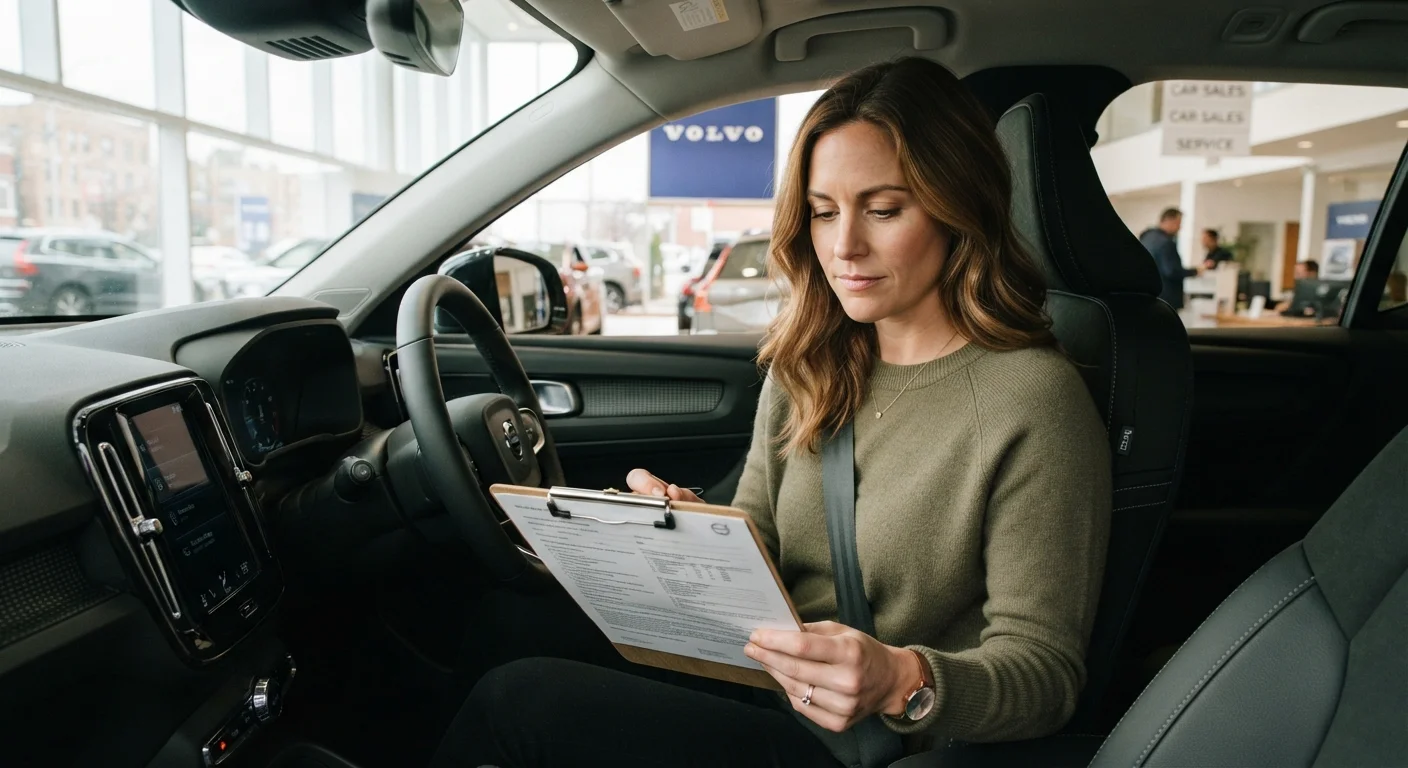
Photo credit: SkripTee.com | Search. Explore. Learn.
In this article
A practical checklist of financial, mechanical, and contractual questions to raise before you commit to purchasing or leasing a vehicle.
Key Takeaways
- Understanding the out-the-door price - not just the monthly payment - is essential before committing.
- A vehicle history report is informative but not a complete substitute for an independent pre-purchase inspection.
- Financing terms from a dealership and from a bank or credit union are often worth comparing side by side.
- Every add-on offered at the finance desk is typically optional and warrants careful scrutiny.
- Lease agreements carry specific mileage, wear, and early-termination terms that deserve close reading.
Why the right questions matter more than negotiation skills
Most car-buying anxiety comes not from not knowing how to negotiate, but from not knowing what to ask. Dealerships operate with structured processes designed to move transactions forward efficiently - which means a buyer who hasn't prepared the right questions may find themselves reviewing a complex multi-page contract under time pressure, with limited opportunity to pause and evaluate.
This checklist is designed to slow that process down in your favour. It covers the financial, mechanical, and contractual ground that matters most - whether you're buying new, purchasing used, or entering a lease agreement. Use it before you sit down to sign anything, and revisit it any time a new document is placed in front of you.
If you're still assessing whether taking on a vehicle loan makes sense for your overall financial situation, the practical self-assessment for taking on new debt is worth working through first. And if you're weighing where to buy, what changes when you buy from a private seller explains the legal and practical differences that affect which questions apply to your situation.
Financial fundamentals
Vehicle condition and history
Contract and terms
Finance desk add-ons
Lease-specific questions
Tools to bring into the process
Preparation before you arrive at a dealership - or meet a private seller - substantially changes the dynamic of the transaction. Having a loan pre-approval, a vehicle history report, and a mechanic lined up to inspect the vehicle puts you in a position to evaluate rather than simply react.
Vehicle history report service
Provides documented records of accidents, title status, prior ownership, and odometer readings for any used vehicle.
Independent pre-purchase inspection
A qualified mechanic examines the vehicle's mechanical condition before you commit, identifying issues not visible in a report.
Loan pre-approval from a bank or credit union
Gives you a financing baseline to compare against any dealership offer, helping you evaluate rates independently.
Loan amortisation calculator
Helps you calculate total interest paid over a loan term and compare the real cost of different financing offers.
For used vehicles specifically, it's worth understanding both what a history report can reveal and where its limits lie. What a vehicle history report can and cannot tell you covers that ground in detail. Equally, if you're considering a certified pre-owned vehicle, comparing CPO programs against standard used vehicles helps clarify what that designation actually includes.
On financing, it's worth knowing that dealership financing and direct loans from banks or credit unions differ in meaningful ways. Having an independent offer in hand before you enter financing discussions gives you a concrete reference point.
Monthly payment focus can obscure true cost
Focusing only on a monthly payment figure makes it easy to lose sight of the full purchase price, loan length, and total interest paid. A lower monthly payment often means a longer loan term - which typically means more interest paid overall. Always ask for the total cost of financing across the full term before making any comparisons.
Spot-delivery agreements carry risk
Some dealerships allow buyers to take possession of a vehicle before financing is fully finalised - sometimes called a 'spot delivery.' If financing later falls through or terms change, you may be asked to return the vehicle or accept different terms. Confirm that all financing is fully approved and final before driving the vehicle home.
At the finance desk: read carefully before you sign
The finance and insurance (F&I) office is where many buyers encounter a second round of decision-making, often after the energy of negotiating the vehicle price has subsided. Products such as extended warranties, gap insurance (which covers the difference between what you owe and what your insurer pays if the vehicle is totalled), paint protection packages, and tire-and-wheel plans are routinely offered here. Each is typically optional, and each adds to the total financed amount.
Understanding what's actually being offered - and what it costs as a standalone figure - is essential before agreeing to anything. What each dealership add-on covers and how to evaluate it provides a useful breakdown of common products.
Signed contracts are typically binding
Unlike many consumer purchases, vehicle sales contracts are generally final once signed. There is no standard 'cooling-off' period for car purchases in most US states. Read every document carefully before signing, ask for clarification on any term you don't understand, and do not feel pressured to sign the same day if you need more time to review.
If you're entering a lease rather than a purchase, the questions in the lease-specific section of the checklist above are particularly important. Mileage caps, wear-and-tear definitions, and early-termination costs vary between agreements and can create unexpected charges at lease-end. Take time to read those terms in full before signing.
Finally, if you've completed your pre-purchase inspection and want a detailed understanding of what a mechanic should be examining on a used vehicle, what to look for during a used-car pre-purchase inspection walks through the key mechanical and structural checks that matter most.

Author
Autos Editorial Team
Autos Editorial Team is the collective byline for our editorial team and contributor network. Articles published under this byline or an editorial pen name are researched, written, and reviewed according to our editorial standards for clarity, consistency, and independence before publication.
View all articles →