
What to Look for During a Used-Car Pre-Purchase Inspection
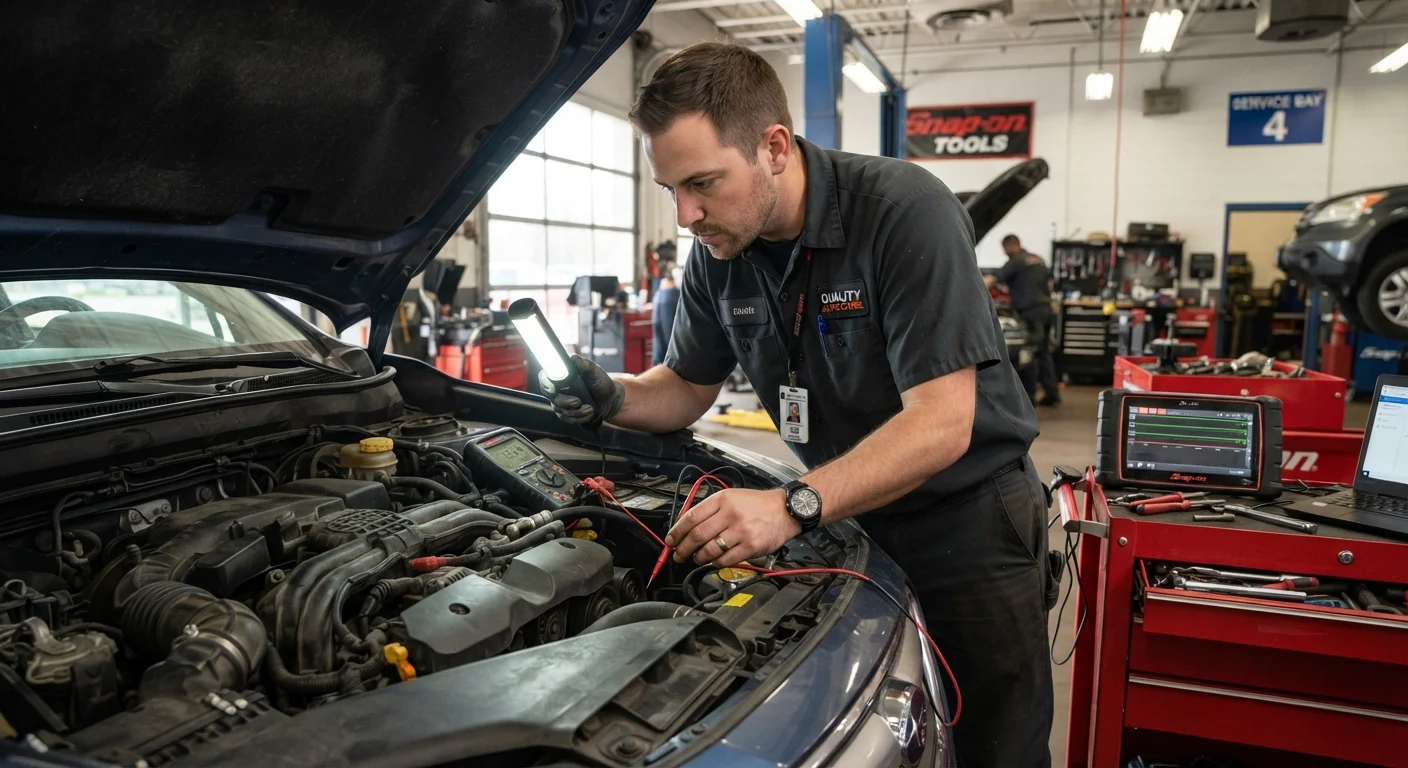
Photo credit: SkripTee.com | Search. Explore. Learn.
In this article
Know what a qualified mechanic should examine before you buy a used vehicle, and understand which findings are deal-breakers versus negotiating points.
Key Takeaways
- Always hire an independent mechanic - not the seller's shop - to conduct the inspection.
- A full pre-purchase inspection covers the engine, transmission, brakes, suspension, and body structure.
- Some findings are deal-breakers; others are legitimate negotiating points to lower the purchase price.
- A vehicle history report complements but does not replace a hands-on mechanical inspection.
- Budget roughly $100-$200 for a professional inspection - a small cost against a major repair surprise.
Why an Independent Inspection Matters
A used car can look immaculate on the outside while hiding expensive mechanical problems underneath. Sellers - whether private owners or dealerships - are motivated to present a vehicle in the best light, so the burden of due diligence falls on the buyer. A pre-purchase inspection (PPI) performed by a qualified, independent mechanic is the single most reliable tool you have to verify a vehicle's true condition before money changes hands.
The key word is independent. The mechanic you hire should have no relationship with the seller. Choose your own shop, or use a mobile inspection service that operates independently. If a seller refuses to allow an inspection, treat that as a significant red flag. For broader context on where the PPI fits into the overall transaction, see the complete car-buying process guide.
What you will need
What the Mechanic Should Examine
A thorough PPI typically takes 60-90 minutes and covers every major system. Here is what a qualified inspector should assess:
Check the body and paint for signs of prior damage
Walk around the entire vehicle and look for mismatched paint panels, uneven panel gaps, or rippling in the sheet metal - all signs that body work has been performed after a collision. Use a paint-thickness gauge (or ask your mechanic to use one) to detect areas where filler has been applied beneath the paint.
Inspect the frame and undercarriage
Ask the mechanic to put the vehicle on a lift and examine the frame rails, subframe, and floor pans for cracks, bends, or welds that suggest prior structural repair. Also look for excessive rust - surface rust on older vehicles is common, but rust on structural components is a serious concern.
Evaluate the engine and fluid condition
The mechanic should check for oil leaks, coolant leaks, and signs of a failing head gasket (such as milky oil or white exhaust smoke). Fluid levels and condition - oil, coolant, transmission fluid, brake fluid - reveal how conscientiously the vehicle was maintained. A compression test can assess internal engine health on higher-mileage vehicles.
Assess the transmission and drivetrain
During a test drive, the mechanic should confirm that all gears engage smoothly (for automatics) and that there is no slipping, shuddering, or delayed engagement. For manual transmissions, check for clutch wear. CV joints, driveshafts, and differentials should also be inspected for play or leaks.
Test the brakes and suspension
Brake pad thickness, rotor condition, and caliper function should all be measured. The mechanic should also check shocks, struts, ball joints, tie-rod ends, and bushings for wear. Worn suspension components affect both ride quality and handling safety.
Run a diagnostic scan for stored fault codes
A scan tool connected to the vehicle's OBD-II port (the onboard diagnostics system present in all vehicles sold in the US since 1996) will reveal any stored trouble codes - even those that have been temporarily cleared. Pending codes or recently reset codes can indicate problems the seller attempted to hide.
Examine tires, lights, and ancillary systems
Check tire tread depth and wear patterns. Uneven wear can indicate alignment or suspension problems rather than simple tread age. Verify that all lights, windows, locks, air conditioning, heat, and infotainment features work as intended. These items are inexpensive to fix individually but add up quickly if several are faulty.
Bring the Mechanic on the Test Drive
Ideally, your mechanic should accompany the vehicle on a test drive - not just inspect it on a lift. Many transmission issues, brake pulsations, and suspension noises only reveal themselves under normal driving conditions. A static inspection alone can miss dynamic problems.
Deal-Breakers vs. Negotiating Points
Not every problem found during an inspection means you should walk away. Understanding the difference between deal-breakers and negotiating points is essential to making a sound decision.
Likely deal-breakers include a bent or cracked frame (which compromises structural integrity and can never be fully restored), a salvage or flood title, signs of undisclosed major accident damage, significant rust on load-bearing components, and a blown head gasket on a high-mileage engine where the repair cost approaches or exceeds the vehicle's value.
Reasonable negotiating points include worn brake pads or rotors, aging tires, minor oil leaks, a failing battery, or a cracked serpentine belt. These are normal wear items with predictable repair costs. Get written estimates from the mechanic on the spot, then use those figures to request a price reduction from the seller. For a fuller checklist of financial and contractual questions to raise before committing, see questions worth asking before signing any car deal.
Do Not Rely on a Vehicle History Report Alone
Vehicle history reports are valuable but not comprehensive. They only capture incidents that were formally reported - accidents handled out of pocket, flood damage in unmonitored areas, or odometer fraud may not appear. A physical inspection by a qualified mechanic is the necessary complement to any history report.
Also consider how the vehicle was maintained. If the seller has service records showing consistent oil changes and scheduled maintenance, that is a meaningful positive signal - even if the inspection turns up minor wear. You can also compare the PPI findings against what a certified pre-owned program would guarantee, which helps you weigh whether the asking price is justified.
After the Inspection: Next Steps
Once you have the mechanic's written report in hand, review every finding carefully. Ask the inspector to clarify any item you do not understand - a good mechanic will explain findings in plain language and give you realistic cost estimates for any repairs needed.
Cross-reference the report with a vehicle history report (available from services that aggregate title, odometer, and accident records). These reports can surface prior accidents, odometer rollbacks, or lien history that the inspection itself cannot detect. The two tools work together: the history report tells you what happened to the car; the PPI tells you what condition it is in now. Keeping up with routine car maintenance after purchase will help protect whatever investment you make.
If the inspection reveals no major issues and the price is fair, you are in a strong position to proceed with confidence. If significant problems are found, you now have documented, objective information to either negotiate a lower price or walk away - without second-guessing yourself.
Never Skip the Inspection to Close Faster
Sellers sometimes create urgency by suggesting other buyers are interested, or that delaying will cost you the vehicle. Do not allow time pressure to bypass an inspection. The $100-$200 cost of a professional PPI is negligible compared to a $3,000 transmission repair or a $5,000 frame-damage correction discovered after purchase. If a seller will not wait for an inspection, that itself is important information.

Author
Autos Editorial Team
Autos Editorial Team is the collective byline for our editorial team and contributor network. Articles published under this byline or an editorial pen name are researched, written, and reviewed according to our editorial standards for clarity, consistency, and independence before publication.
View all articles →