
Why Your Brakes Squeal - And When It's Serious
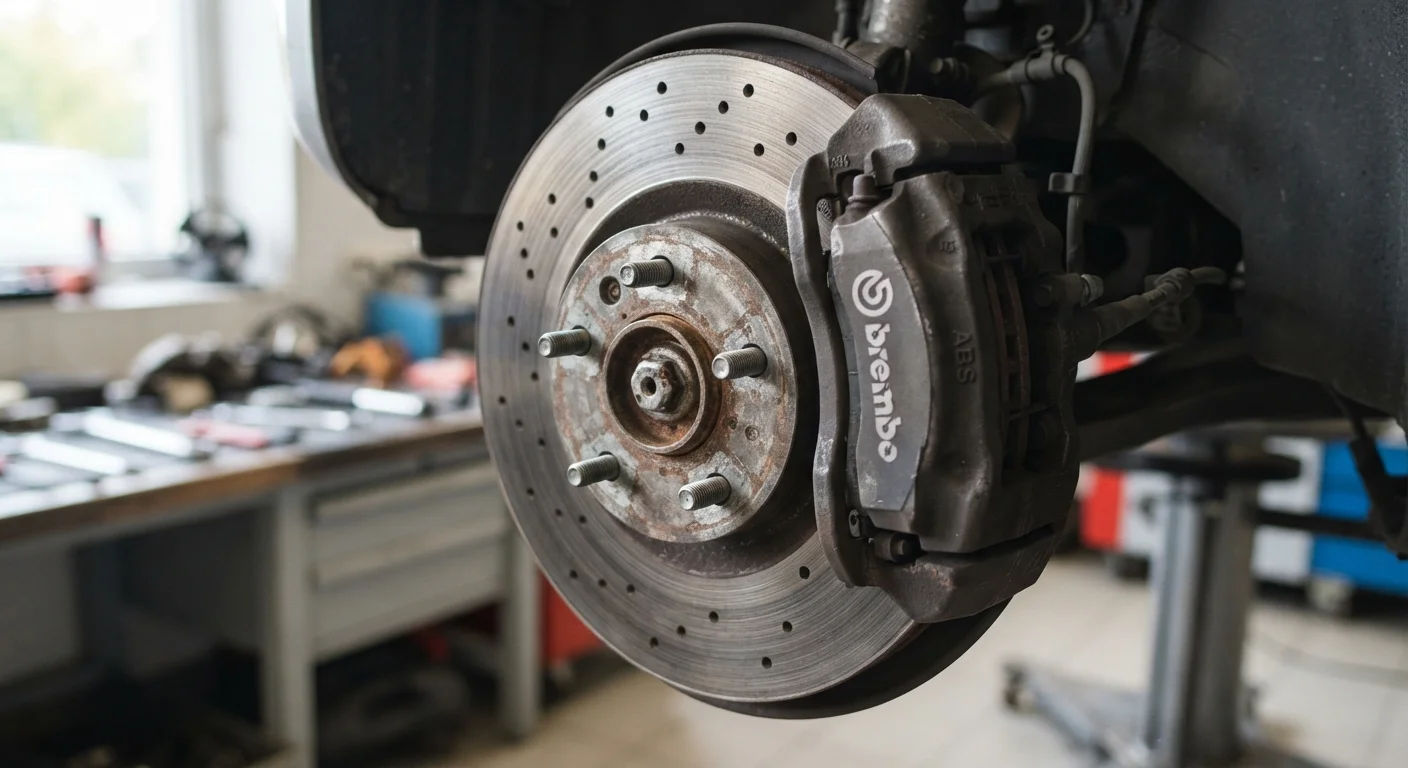
Photo credit: SkripTee.com | Search. Explore. Learn.
In this article
Not every brake squeal means disaster, but some do. Learn the common causes, what each sound typically signals, and when to see a qualified mechanic.
Key Takeaways
- Morning squealing that fades after a few stops is usually caused by surface rust and is not a safety concern.
- A continuous squeal that persists through every stop often signals that brake pads are approaching the end of their life.
- Grinding - not squealing - is the more urgent warning and may indicate metal-on-metal contact requiring immediate inspection.
- Brake noise that comes with a soft pedal, vibration, or pulling to one side demands immediate attention from a qualified mechanic.
- Driving habits like riding the brakes or frequent hard stops can accelerate pad wear and increase noise.
The Most Common Causes of Brake Squeal
Brake noise is one of the most misread signals a car sends. Here are the main causes, ranked roughly from least to most concerning:
- Surface rust: After rain or overnight condensation, a thin rust layer forms on steel rotors. The first few brake applications scrub it off with an audible squeal. This is harmless.
- Worn pad wear indicators: Most brake pads include a small metal tab designed to contact the rotor when pad thickness drops to a safe-minimum threshold. That contact produces a deliberate, persistent squeal - it is an engineered warning, not a malfunction.
- Glazed pads or rotors: Repeated light braking without full stops - common in stop-and-go traffic - can overheat the brake surface, hardening it into a glazed layer that vibrates against the rotor and squeals at low speeds.
- Dust or debris: Small stones, brake dust buildup, or road grit lodged between the pad and rotor can produce intermittent squealing or scraping that sounds alarming but clears on its own.
- Worn or missing hardware: Anti-squeal shims, clips, and caliper hardware dampen vibration. When these deteriorate, high-frequency vibration produces noise even with adequate pad life remaining.
Quick Check: Is the Squeal Intermittent or Constant?
Intermittent squealing - appearing only in certain conditions like cold mornings or light rain - is far less likely to indicate a mechanical problem than noise that occurs on every single stop. Use consistency as your first diagnostic filter: if the squeal is reliably present every time you brake, it warrants a professional inspection.
When Brake Noise Becomes Serious
The transition from nuisance to safety concern happens at a predictable threshold. Here is what to listen and feel for:
Grinding instead of squealing is the clearest red flag. A harsh, metallic grinding noise typically means the pad material has worn through entirely, leaving the metal backing plate contacting the rotor directly. This damages the rotor rapidly and compromises stopping power - do not delay inspection if you hear this.
Squealing combined with other symptoms elevates the urgency significantly. If brake noise accompanies any of the following, have the vehicle inspected immediately by a qualified mechanic:
- A soft or spongy brake pedal
- The vehicle pulling left or right when braking
- A pulsing or vibrating sensation in the pedal
- The brake warning light illuminating on your dashboard
That last point is worth a closer look - see our guide to dashboard warning lights for a full breakdown of what each symbol means and when it demands immediate action.
How Driving Habits Affect Brake Noise and Wear
Brake noise does not always arrive without warning. In many cases, it is the gradual result of everyday driving patterns. Riding the brakes on long downhill stretches, making frequent hard stops from highway speeds, and carrying heavy loads consistently all accelerate pad wear and increase the risk of glazing.
Understanding which habits quietly damage your braking system is worthwhile - our article on habits that shorten a car's lifespan covers several of these in practical detail.
If you live in a wet climate or drive in heavy traffic regularly, more frequent brake inspections - not just when noise appears - are a reasonable precaution. Most qualified mechanics will visually check pad thickness during routine oil changes if asked.
This article is for general informational purposes only. For any brake noise accompanied by changes in vehicle handling or braking performance, consult a licensed automotive technician before continuing to drive.
Frequently Asked Questions

Author
Autos Editorial Team
Autos Editorial Team is the collective byline for our editorial team and contributor network. Articles published under this byline or an editorial pen name are researched, written, and reviewed according to our editorial standards for clarity, consistency, and independence before publication.
View all articles →