
What Your Car's Warning Lights Are Actually Telling You
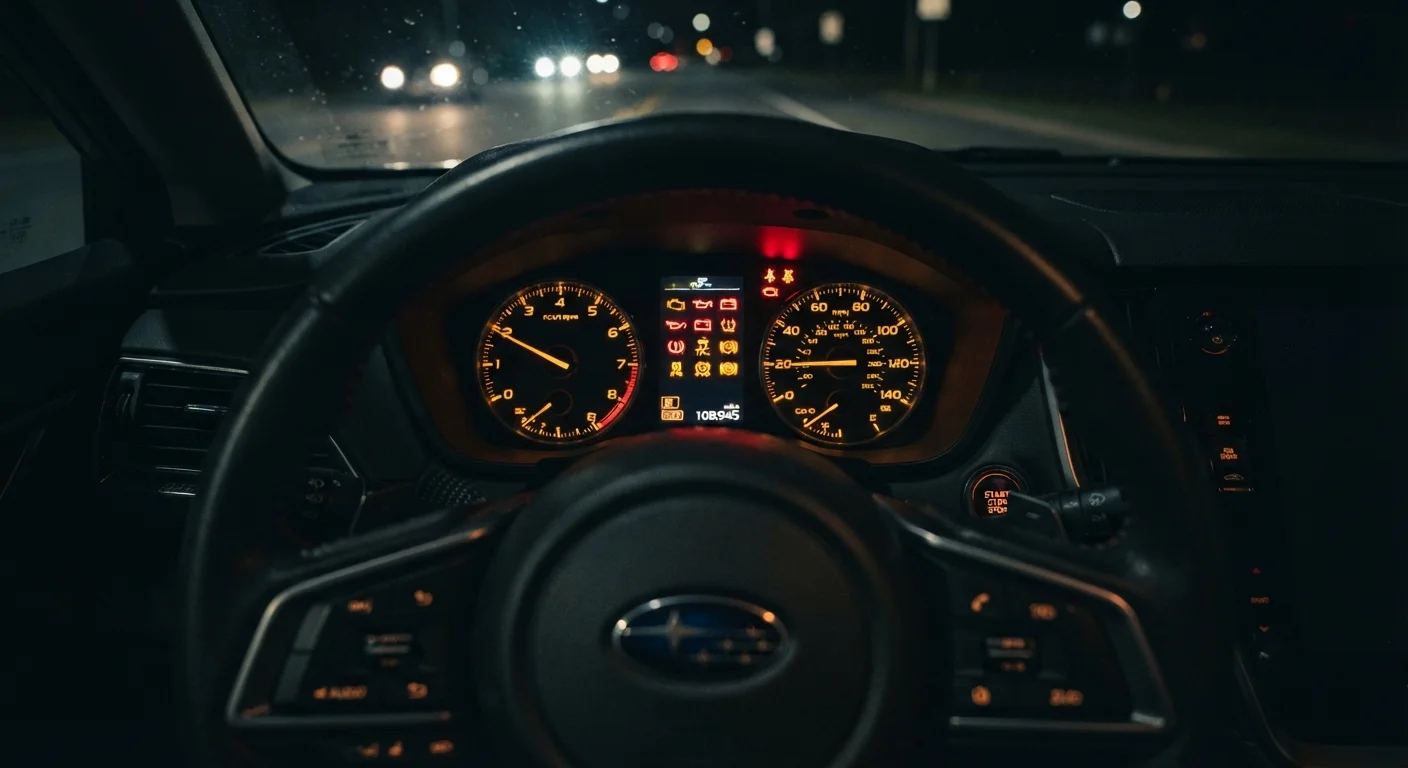
Photo credit: SkripTee.com | Search. Explore. Learn.
In this article
Decode the dashboard symbols that most drivers ignore. Learn what each warning light means and when it genuinely demands immediate attention.
Why Warning Lights Exist (and Why Ignoring Them Is Risky)
Modern vehicles are equipped with an onboard diagnostics system - a network of sensors that constantly monitors engine performance, fluid levels, emissions, and safety systems. When something falls outside normal parameters, the system triggers a dashboard warning light. Think of it as your car's way of sending a message before a minor issue becomes an expensive repair.
The problem is that most drivers see a light, panic briefly, and then adapt to it - especially if the car still seems to drive fine. Some lights genuinely allow a short grace period; others demand immediate action. Knowing the difference can protect both your safety and your wallet.
For broader situational awareness behind the wheel, see our guide to defensive driving - anticipating mechanical problems is part of the same mindset.
The Warning Lights You Should Never Ignore
OBD-II
On-Board Diagnostics, second generation. A standardized system fitted to all US vehicles from 1996 onward that monitors engine and emissions performance and stores fault codes retrievable with a scanner.
Catalytic Converter
An emissions control device in the exhaust system that converts harmful combustion byproducts into less harmful gases. Engine misfires can damage it quickly.
TPMS
Tire Pressure Monitoring System. A sensor-based system that alerts the driver when one or more tires fall significantly below the recommended inflation pressure.
Alternator
A generator driven by the engine that produces electricity to power the vehicle's electrical systems and recharge the battery while the engine is running.
Oil Pressure
The force at which engine oil circulates through the lubrication system. Adequate pressure is critical to preventing metal-on-metal contact between moving engine components.
Fault Code
A standardized alphanumeric code stored by the OBD-II system when a sensor reading falls outside normal range. Mechanics use these codes as a diagnostic starting point.
Red Oil Pressure Warning
This is among the most urgent lights on any dashboard. It does not simply mean your oil is low - it means oil pressure has dropped dangerously, and your engine's moving parts may be running without adequate lubrication. Pull over safely and switch the engine off as soon as it is safe to do so. Continuing to drive risks catastrophic engine damage within minutes.
Engine Temperature Warning
A red thermometer symbol (sometimes accompanied by the word TEMP) signals the engine is overheating. Causes range from low coolant to a failing thermostat or water pump. Pull over, turn off the engine, and let it cool before opening the hood. Never open a hot radiator cap - pressurised coolant can cause serious burns. Our article on checking your own fluid levels covers coolant inspection in plain terms.
Brake Warning Light
If this illuminates while driving (and your parking brake is fully released), it may indicate low brake fluid, a pressure imbalance in the brake circuit, or worn brake pads triggering a sensor. Have a qualified mechanic inspect the brake system promptly. For context on brake sounds that often accompany this, see why your brakes squeal and when it's serious.
Battery / Charging System Warning
A red battery symbol means the charging system isn't maintaining voltage - typically a failing alternator or a loose/corroded connection. The vehicle may run on reserve battery power for a limited time, but electrical systems will begin failing. Have it checked the same day. Learn more in our article on how a car battery actually works.
Amber Lights: Act Soon, Not Immediately
Amber or yellow warning lights generally signal that something needs attention within days, not seconds. They indicate a monitored system has moved out of range, but the vehicle is typically still safe to drive carefully in the short term.
Check Engine Light (CEL)
This is the most commonly misunderstood light on any dashboard. A steady amber check engine light can mean anything from a loose gas cap to a misfiring cylinder or a failing oxygen sensor. If it's flashing, treat it as urgent - a flashing CEL typically indicates active engine misfires that can damage the catalytic converter. A steady light warrants a diagnostic scan at a qualified shop within a few days.
TPMS (Tire Pressure Monitoring System)
An amber horseshoe symbol with an exclamation mark signals that one or more tires are significantly under-inflated. Under-inflated tires affect handling, fuel economy, and tire lifespan. Check and adjust pressure when it's safe to do so - your owner's manual lists the correct PSI for your vehicle. Don't rely solely on the TPMS; a pre-drive walk-around is always worthwhile.
Traction Control / Stability Warning
If this light stays on continuously (rather than flashing briefly during a slippery start), the traction or stability control system may be deactivated or experiencing a fault. This is particularly relevant at night or in poor conditions - habits that affect low-visibility driving are covered in our piece on night driving risk factors.
Resetting a Warning Light Yourself
Disconnecting the battery or using an OBD-II scanner to clear a fault code will turn off a warning light - but it does not fix the underlying problem. The light will typically return within a short drive if the cause is still present. Always address the root issue rather than silencing the alert. If you're unsure what triggered a light, a diagnostic scan at a qualified shop is the safest first step.
The One Resource That Decodes Every Light in Your Specific Vehicle
No two vehicles use exactly the same set of dashboard symbols, and some manufacturers use identical icons to mean different things. Your owner's manual is the definitive reference - it lists every warning light specific to your trim and model year, along with the manufacturer's recommended response.
If you don't have a physical copy, most manufacturers make digital versions available through their websites. Our article on understanding your owner's manual explains how to navigate it efficiently before your next service appointment.
A basic OBD-II scanner (the standardized diagnostic port available on vehicles made from 1996 onward) can also retrieve the specific fault codes triggering a check engine light, giving any mechanic - or you - a precise starting point rather than guesswork.

Author
Autos Editorial Team
Autos Editorial Team is the collective byline for our editorial team and contributor network. Articles published under this byline or an editorial pen name are researched, written, and reviewed according to our editorial standards for clarity, consistency, and independence before publication.
View all articles →