
Why Your Coffee Tastes Bitter (And What's Actually Causing It)
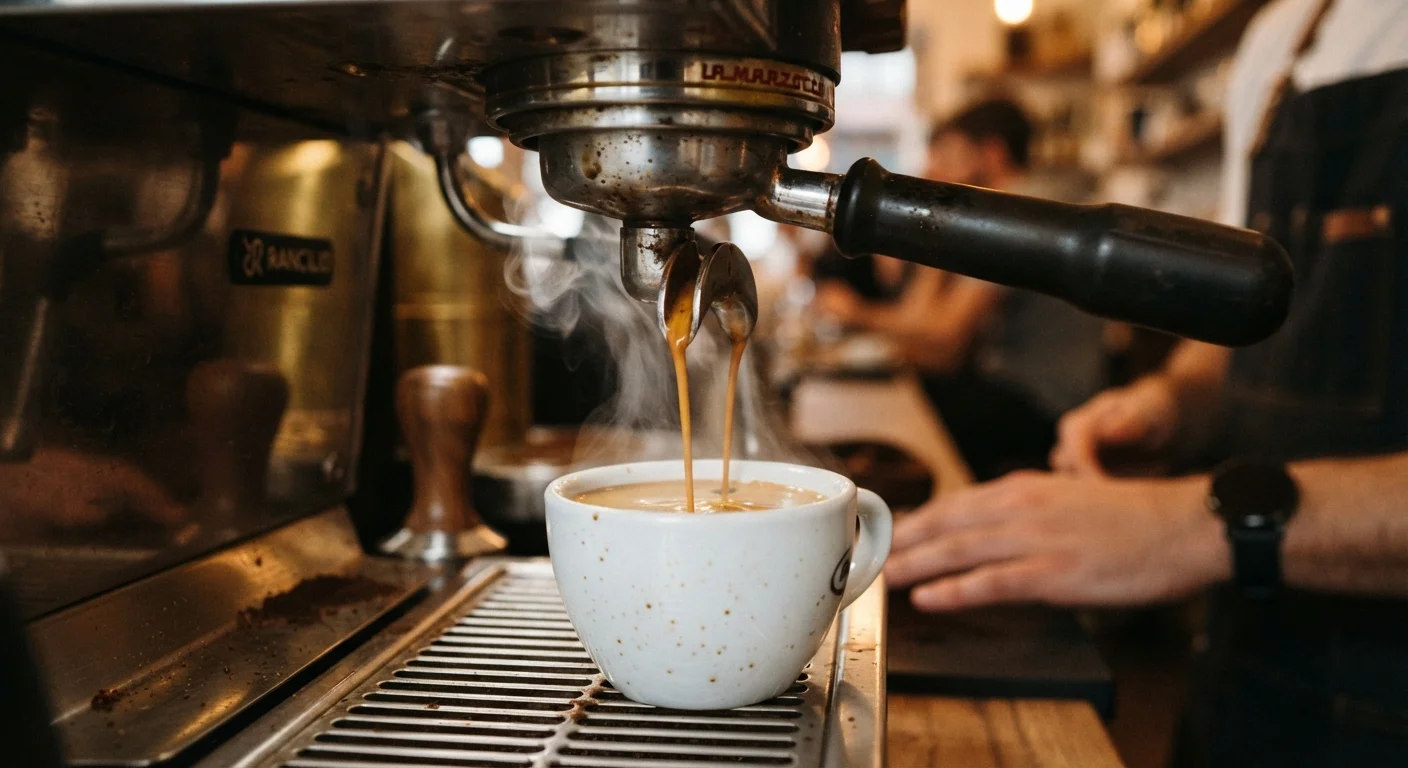
Photo credit: SkripTee.com | Search. Explore. Learn.
In this article
Bitterness in coffee isn't random. Understand the extraction science and brewing habits that lead to an unpleasant cup.
Key Takeaways
- Over-extraction is the leading cause of bitterness - water pulls harsh compounds when contact time is too long.
- Grind size, water temperature, and brew ratio are the three variables most directly linked to bitter flavor.
- Darker roasts are more prone to bitterness; switching bean type can dramatically change your baseline flavor.
- Water quality affects extraction chemistry - hard or heavily chlorinated water can amplify bitterness.
- Most bitterness problems are fixable with small, deliberate adjustments to your existing brewing routine.
The Science Behind Coffee Bitterness
Coffee contains hundreds of flavor-active compounds, and bitterness is a natural part of that chemical profile. Caffeine itself is mildly bitter, but the more pronounced harsh bitterness most people find unpleasant comes from a group of compounds called chlorogenic acid lactones and phenylindanes - byproducts that form during roasting and become increasingly dominant the longer coffee is exposed to heat. Melanoidins, produced during the Maillard reaction, also contribute bitterness, particularly in dark roasts.
The critical concept here is extraction: the process by which hot water dissolves soluble compounds from ground coffee. Extraction happens in stages - sweetness and brightness extract early, body follows, and bitter, astringent compounds extract last. A well-balanced cup hits a sweet spot where enough of the desirable flavors are pulled without crossing into over-extracted territory. Understanding this sequence is the foundation for diagnosing why your cup tastes harsh.
For a deeper look at how bean variety shapes your flavor baseline, see our guide to Arabica vs. Robusta.
Common Mistakes That Make Coffee Taste Bitter
Most bitterness problems trace back to a handful of identifiable brewing errors. Recognizing which mistake is at play makes it far easier to fix your cup without guessing.
Grinding coffee too fine for the brewing method being used.
Why it happens: Finer grinds are often associated with "stronger" coffee, so brewers default to them when they want a more intense cup, not realizing finer particles dramatically accelerate extraction.
Using water that is too hot - typically above 205°F (96°C).
Why it happens: Boiling water feels intuitive, and many kettles don't offer temperature control, so brewers pour straight off the boil without thinking about the effect on extraction.
Brewing for too long, allowing over-extraction to occur.
Why it happens: Brew time is often treated as an afterthought, particularly with immersion methods like French press where leaving coffee to steep longer seems harmless.
Using a coffee-to-water ratio that is too low (under-dosing coffee relative to water).
Why it happens: Counterintuitively, using less coffee doesn't make a milder cup - it often makes a more bitter one, because water extracts a higher proportion of the undesirable late-stage compounds from insufficient grounds.
Using stale or very darkly roasted coffee without adjusting the brewing approach.
Why it happens: Pre-ground coffee loses volatile aromatics quickly, leaving behind more of the bitter, less pleasant compounds. Dark roasts are also inherently higher in bitter-tasting melanoidins, and treating them identically to lighter roasts exaggerates this effect.
~1,000
Flavor-active compounds in brewed coffee
Research published in food chemistry literature consistently identifies coffee as one of the most chemically complex beverages, with bitterness arising from multiple distinct compound classes.
195-205°F
Recommended brew water temperature range
The Specialty Coffee Association's brewing standards cite this range as optimal for balanced extraction across most common drip and pour-over methods.
Water is another frequently overlooked variable. Mineral content, pH, and the presence of chlorine all influence how compounds are extracted from coffee grounds. Water quality affects extraction chemistry in ways that can amplify bitterness even when everything else is dialed in correctly.
How to Systematically Fix a Bitter Cup
The most effective approach is to change one variable at a time. If you adjust grind size, brew ratio, and water temperature simultaneously, you won't know which change made the difference.
Change One Variable at a Time
When troubleshooting bitterness, resist the urge to adjust grind, temperature, and ratio simultaneously. Each variable affects extraction differently, and changing multiple factors at once makes it impossible to know what actually worked. Make a single adjustment, brew a test cup, taste critically, then decide on your next change.
Start with grind size - it has the single biggest impact on extraction rate. If your grind is already appropriate and bitterness persists, lower water temperature by a few degrees, then reassess your brew ratio. Keep notes on what you change and how it affects the result. Most home brewers find that two or three deliberate adjustments are enough to transform a reliably bitter cup into a consistently enjoyable one.
Bean choice also matters significantly. Processing method shapes flavor before water ever touches the grounds - our explainer on how coffee processing shapes flavour covers how natural, washed, and honey methods each affect the cup's sweetness and acidity, both of which counterbalance bitterness.
Dirty Equipment Contributes to Bitterness
Rancid coffee oils accumulate on grinders, carafes, and brew baskets and contribute their own bitterness to every subsequent cup. Even if your technique is correct, a dirty brewer can make coffee taste harsh and stale. Clean all brewing equipment regularly with hot water and occasional dedicated cleaning products designed for coffee equipment.

Author
Food Editorial Team
Food Editorial Team is the collective byline for our editorial team and contributor network. Articles published under this byline or an editorial pen name are researched, written, and reviewed according to our editorial standards for clarity, consistency, and independence before publication.
View all articles →