
How Water Quality Affects the Taste of Tea and Coffee
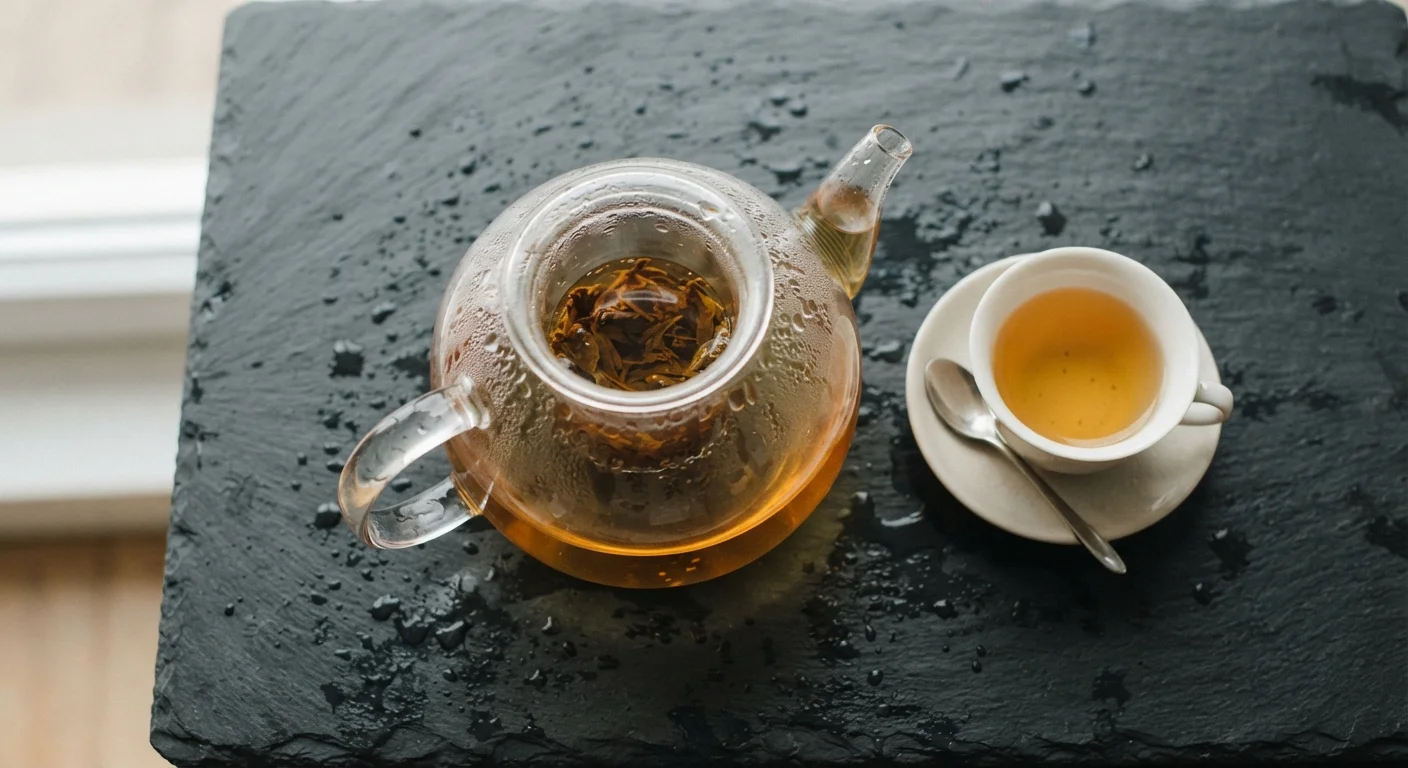
Photo credit: SkripTee.com | Search. Explore. Learn.
In this article
Mineral content, pH, and hardness all influence how your brew tastes. Understand the role water plays before changing anything else.
Key Takeaways
- Mineral content in water - especially magnesium and calcium - directly affects flavor extraction in tea and coffee.
- Very soft and very hard water both degrade brew quality in different ways.
- Ideal brewing water typically falls between 75-250 ppm total dissolved solids according to specialty coffee guidelines.
- Chlorine and chloramines in tap water can suppress delicate aromas and introduce off-flavors.
- Water pH influences perceived acidity and brightness in the final cup.
- Simple interventions like filtering tap water or using a dedicated water filter can meaningfully improve results.
Why Water Is the Most Overlooked Brewing Variable
Coffee is approximately 98% water. Tea is even closer to 99%. Despite this, water chemistry is often the last variable home brewers consider when a cup tastes off. Before adjusting grind size, steep time, or leaf grade, it is worth understanding what the water itself is doing to your brew.
Water acts as a solvent, pulling aromatic compounds, acids, oils, and other flavor-active molecules out of coffee grounds and tea leaves. The efficiency and selectivity of that extraction process depends heavily on the dissolved minerals present - or absent - in the water. Bitterness, for example is often attributed to over-extraction or roast level, but water chemistry plays a contributing role that is frequently overlooked.
~98%
Water content of a typical brewed coffee
This figure is widely cited by brewing scientists and coffee educators to underscore water's foundational role in cup quality.
75-150 ppm
Target total dissolved solids for brewing water
The Specialty Coffee Association's published water quality standards identify this range as optimal for balanced coffee extraction.
6.5-7.5
Ideal pH range for coffee brewing water
Slightly acidic to neutral water preserves brightness and acidity in the cup, according to specialty coffee quality frameworks.
Key Minerals and What They Do
Not all minerals behave the same way in a brew. The two most important for extraction are magnesium and calcium.
- Magnesium is particularly effective at binding to flavor compounds in both coffee and tea, enhancing perceived sweetness and complexity. Research in sensory science consistently shows that magnesium-rich water increases the intensity of desirable flavors.
- Calcium also aids extraction but in a less targeted way, contributing to body and mouthfeel more than flavor nuance.
- Bicarbonate acts as a buffer that neutralizes acids. High bicarbonate levels flatten acidity in coffee and can make tea taste dull and chalky - a common complaint in areas with very hard water.
- Sodium in low concentrations can enhance sweetness, but elevated levels introduce saltiness that overwhelms delicate flavors.
- Chlorine and chloramines, common in municipal tap water as disinfectants, bind to aromatic compounds and suppress the floral and fruity notes that make specialty teas and single-origin coffees distinctive.
Understanding this mineral interplay helps explain why the same beans brewed in two different cities can produce noticeably different cups. Processing methods shape a coffee's potential flavor, but water determines how much of that potential actually reaches your palate.
Hardness, Softness, and the Brewing Sweet Spot
Water hardness is a measure of the total concentration of calcium and magnesium ions, usually expressed in parts per million (ppm) or grains per gallon. Both extremes - very soft and very hard - create problems.
Very soft water (under roughly 50 ppm TDS) lacks the mineral scaffolding needed for good extraction. Brews tend to taste sour, thin, or unbalanced, as acids are extracted unevenly without adequate buffering.
Very hard water (above roughly 300 ppm TDS, particularly when high in bicarbonate) over-buffers the brew, suppressing acidity and brightness. Tea brewed in such water frequently tastes flat or metallic, while coffee can taste chalky or muted.
The Specialty Coffee Association has published water quality guidelines that most specialty brewers use as a reference point: a target TDS of around 150 ppm, with bicarbonate levels ideally kept moderate to preserve acidity. Similar principles apply to tea, particularly for more delicate varieties like green and white teas. The differences between green, oolong, and black teas mean that each may respond slightly differently to water chemistry.
Test Your Tap Water First
Before purchasing any filtration or mineral products, consider testing your tap water's hardness and TDS level. Inexpensive TDS meters are widely available, and many municipal water suppliers publish annual water quality reports online. Knowing your baseline saves you from solving a problem you may not have - or from using the wrong solution.
pH, Temperature, and Practical Considerations
Water pH - the measure of acidity or alkalinity on a scale from 0 to 14 - also shapes the final cup. Slightly acidic water (pH 6.5-7.5) is generally considered ideal for coffee brewing. Water that is too alkaline tends to dull the bright, fruity notes prized in lighter roasts. For tea, similar principles apply, though robust black teas are more tolerant of moderate alkalinity than green or white varieties.
Temperature interacts with water chemistry as well. Hotter water extracts more aggressively, which in hard water can amplify the chalky or bitter notes that bicarbonate produces. This is one reason why cold-brew coffee made with hard tap water sometimes tastes smoother - slower, cooler extraction is less affected by bicarbonate interference.
For most home brewers, a straightforward activated carbon filter is the most accessible intervention. These filters effectively remove chlorine and chloramines without stripping beneficial minerals, making them a practical first step. Those seeking more precision can explore pitcher filters with remineralization stages or look into commercially formulated brewing water options. The broader relationship between water and dietary health is a separate consideration, but filtered water often serves both brewing and hydration goals simultaneously.
Bottled Water Varies Widely
Not all bottled water is suitable for brewing. Some spring waters have TDS levels above 400 ppm, which can be as problematic as very hard tap water. If you use bottled water, check the label's mineral analysis - many brands list calcium, magnesium, and bicarbonate content. Aim for water that falls within a moderate mineral range rather than assuming bottled automatically means better.
Frequently Asked Questions

Author
Food Editorial Team
Food Editorial Team is the collective byline for our editorial team and contributor network. Articles published under this byline or an editorial pen name are researched, written, and reviewed according to our editorial standards for clarity, consistency, and independence before publication.
View all articles →