
Hydration and Nutrition: How Water Fits Into Your Dietary Health
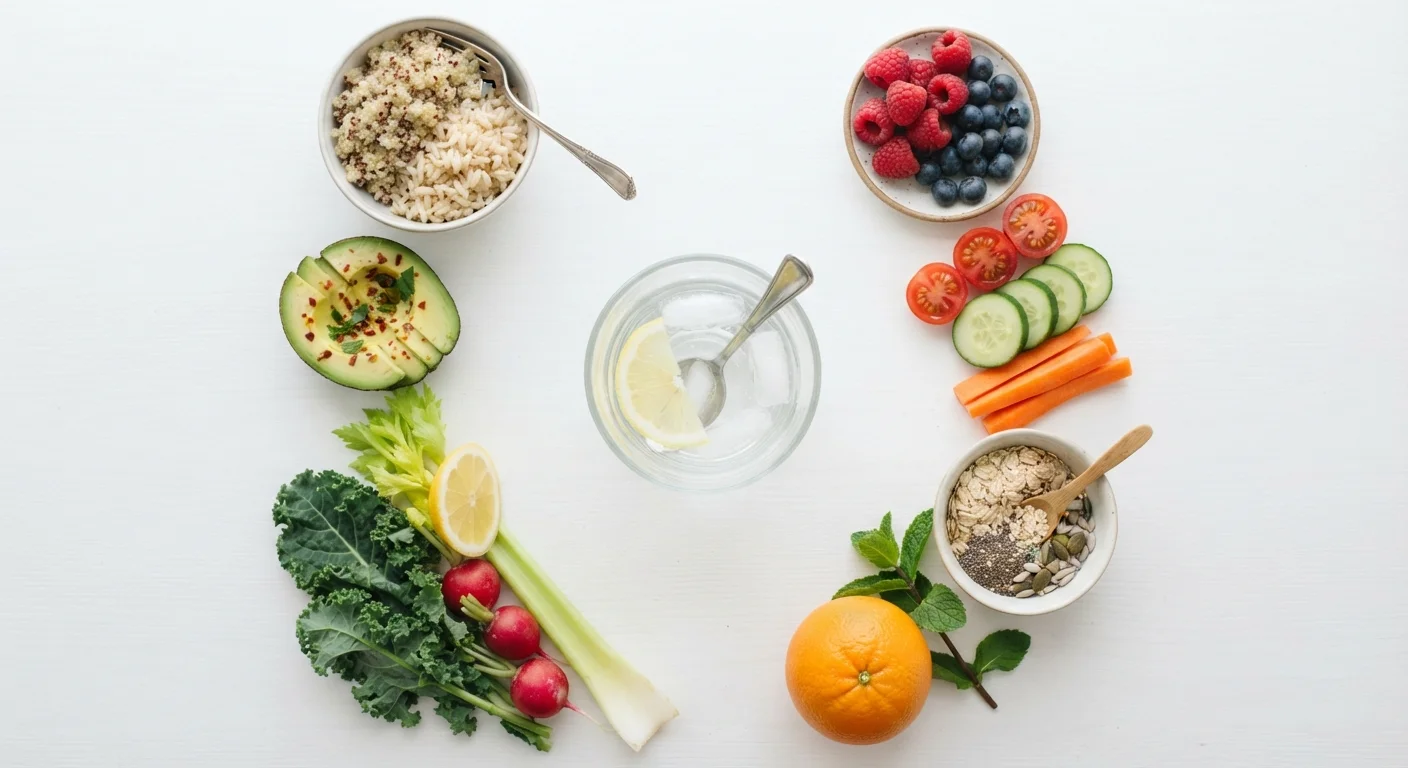
Photo credit: SkripTee.com | Search. Explore. Learn.
In this article
Explore how water interacts with nutrients, why fluid intake matters alongside food choices, and what affects your hydration needs.
Key Takeaways
- Water is an essential nutrient involved in digestion, absorption, and virtually every metabolic process.
- Food contributes roughly 20% of daily fluid intake for most people through water-rich fruits, vegetables, and other foods.
- Hydration needs vary based on body size, activity level, climate, and health status.
- Mild dehydration can impair concentration and physical performance before thirst fully signals a deficit.
- Beverages beyond plain water - including herbal teas and low-sodium broths - can contribute meaningfully to fluid intake.
Why Water Belongs in Every Nutrition Conversation
Most nutrition discussions focus on macronutrients and micronutrients - carbohydrates, proteins, fats, vitamins, and minerals. Water is often treated as an afterthought, something separate from "real" nutrition. That framing is incomplete. Water is the medium in which virtually all metabolic activity occurs. Without adequate fluid, the body cannot effectively digest food, transport nutrients through the bloodstream, regulate temperature, or eliminate waste.
The core principles of nutrition rest on understanding how all essential nutrients work together - and water is no exception. Framing hydration as part of your dietary picture, rather than separate from it, leads to more coherent and practical food choices.
~60%
Adult body weight that is water
According to the U.S. Geological Survey, water makes up approximately 60% of an adult human body by weight, highlighting its fundamental role in physiology.
~20%
Daily fluid intake from food sources
The National Academies of Sciences, Engineering, and Medicine estimate that roughly 20% of average daily water intake comes from food rather than beverages.
1-2%
Body water loss that impairs performance
Research published in sports nutrition literature suggests that fluid losses as small as 1-2% of body weight can measurably reduce physical and cognitive performance.
How Water Interacts With What You Eat
Water participates in digestion from the first bite. Saliva - which is roughly 99% water - begins breaking down starches before food even reaches the stomach. In the small intestine, water helps dissolve nutrients so they can pass through the intestinal wall into the bloodstream. Water-soluble vitamins, including the B-complex group and vitamin C, depend on this fluid environment to be absorbed and transported.
Dietary fiber is another area where hydration matters directly. Soluble fiber absorbs water to form a gel-like substance in the gut, which slows digestion and helps stabilize blood sugar responses. Without adequate fluid, fiber can become difficult to process and may contribute to constipation rather than relieving it. Understanding how nutrients function together is explored further in our guide to eating for sustained daily energy.
Pair Fiber-Rich Foods With Adequate Fluid
If you're increasing whole grains, legumes, or vegetables in your diet, make sure your fluid intake rises accordingly. Soluble fiber needs water to function as intended in the digestive tract. A simple habit: drink a glass of water with each fiber-rich meal or snack.
Where Your Fluid Intake Actually Comes From
Plain water from a glass or bottle is the most direct source of hydration, but it is far from the only one. The National Academies estimate that roughly 20% of daily fluid intake for most Americans comes from food. Fruits and vegetables with high water content - cucumber, strawberries, lettuce, tomatoes, and watermelon among them - deliver both fluids and electrolytes like potassium that support fluid balance at the cellular level.
Beverages beyond plain water also contribute. Unsweetened herbal teas, low-sodium broth, and even milk provide meaningful fluid. Caffeinated drinks such as coffee and tea have a mild diuretic effect but still result in net fluid gain for most people. The mineral content and quality of water can even influence how these beverages taste and how well they complement your food choices.
Alcoholic beverages are a notable exception - alcohol suppresses a hormone (antidiuretic hormone, or ADH) that helps the kidneys retain water, resulting in increased fluid loss. They should not be relied upon as a hydration source.
What Shapes Your Individual Hydration Needs
No single number applies to everyone. Fluid needs are shaped by body size and composition, physical activity levels, ambient temperature and humidity, altitude, and health status. People who are pregnant, breastfeeding, or managing certain chronic conditions may have significantly different requirements - those individuals should consult a qualified healthcare professional for personalized guidance.
A practical self-monitoring tool widely cited by dietitians is urine color: pale yellow generally signals adequate hydration, while dark amber suggests a deficit. Thirst, though real, tends to lag behind actual fluid needs - particularly in older adults, who may have a diminished thirst response.
For those trying to build a more complete picture of their dietary choices, reviewing what's actually in your food and beverages is a valuable step. Our explainer on reading a nutrition facts label can help put fluid and nutrient data in context. And if you want to evaluate whether the hydration claims you see are evidence-based, separating nutrition science from diet trends offers a grounded framework.
This article is for general informational and educational purposes only and is not a substitute for professional medical or dietary advice. Consult a qualified healthcare provider for guidance specific to your health needs.
Frequently Asked Questions

Author
Food Editorial Team
Food Editorial Team is the collective byline for our editorial team and contributor network. Articles published under this byline or an editorial pen name are researched, written, and reviewed according to our editorial standards for clarity, consistency, and independence before publication.
View all articles →