
Before You Book a Table: A Pre-Dining Checklist
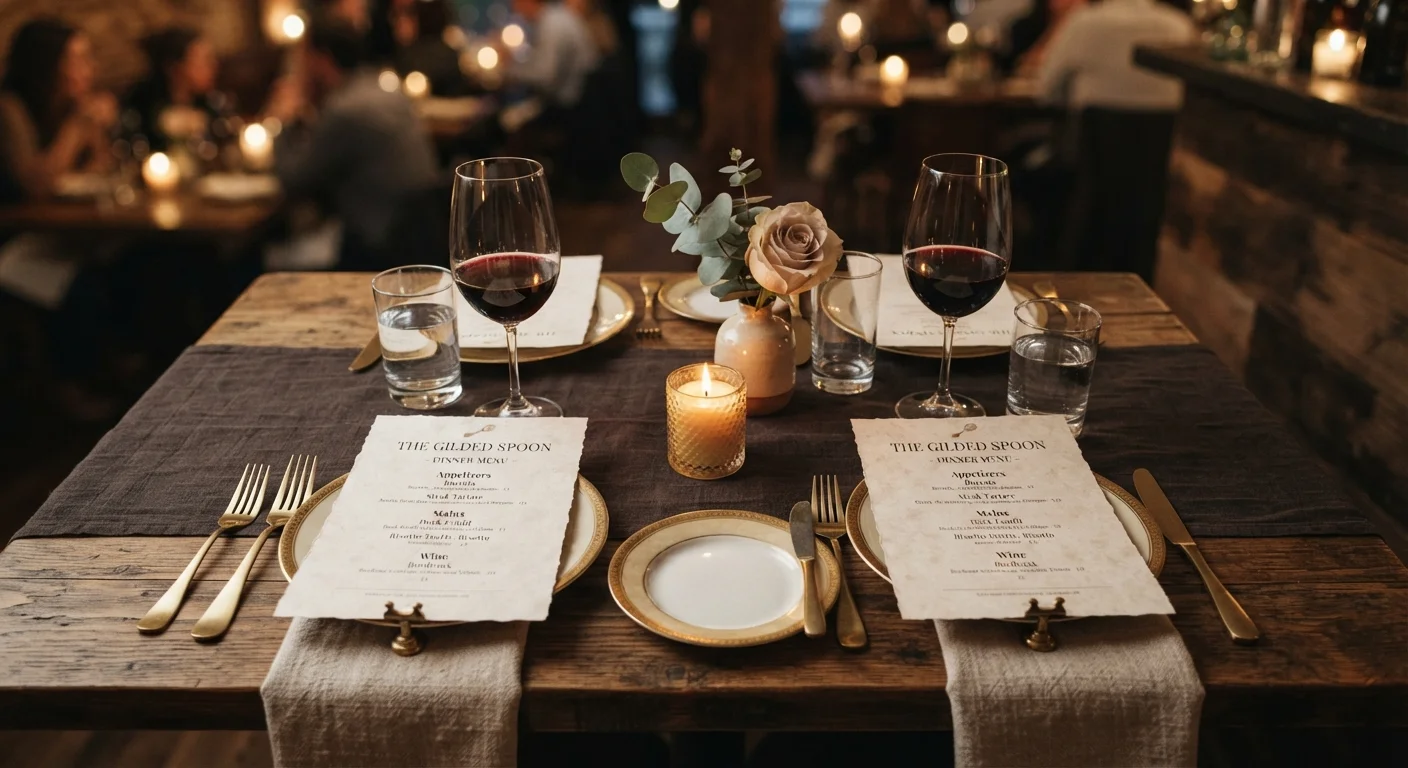
Photo credit: SkripTee.com | Search. Explore. Learn.
In this article
Confirm the essentials before you go — from checking the menu and parking to noting the dress code and group booking policies.
Key Takeaways
- Confirming a reservation 24-48 hours in advance prevents costly no-show assumptions by the restaurant.
- Reviewing the menu online ahead of time helps guests with dietary restrictions plan confidently.
- Dress codes and tipping customs vary significantly between establishments and should be checked in advance.
- Group bookings often carry separate deposit and cancellation policies that differ from standard reservations.
- Parking, transit options, and accessibility features are worth verifying before the night of your meal.
Why a Pre-Dining Checklist Pays Off
A restaurant meal is rarely just about the food. It involves timing, logistics, expectations, and the comfort of everyone at the table. Yet most diners book a reservation and show up - leaving a surprising number of avoidable problems to unfold in the moment.
This checklist is designed to close that gap. Whether you are planning an intimate dinner, a celebration with friends, or a weeknight meal somewhere new, working through these items ahead of time takes less than 30 minutes and can prevent the kind of friction that derails an otherwise enjoyable evening.
If you are coordinating a larger gathering, the stakes are even higher. See our guide to group dining logistics for the additional planning layers that come into play when your party grows beyond six or eight. And if cost management is on your mind, dining out on a tight budget offers practical strategies for eating well without overspending.
Reservation Confirmation
Menu & Dietary Needs
Logistics & Access
Dress Code & Expectations
Group & Special Occasion Planning
Tools You Will Need
You do not need specialist apps or elaborate preparation to use this checklist effectively. A few reliable sources are all it takes.
Restaurant's Official Website
Check the current menu, hours, dress code, and contact details directly from the source.
Mapping App (Google Maps, Apple Maps, etc.)
Preview the route, check parking options, and confirm transit connections before the evening.
Reservation Confirmation Email or Text
Retain written proof of your booking details, including date, time, party size, and any deposits paid.
Restaurant Review Platforms
Gauge recent diner experiences regarding noise level, service, and menu accuracy - especially useful for new or unfamiliar venues.
Keep in mind that the restaurant's own website or a direct phone call remains the most reliable source for current details. Third-party review and booking platforms are helpful for discovery and general impressions, but they are not always updated in real time.
Online Menus Are Not Always Current
Third-party platforms and even restaurant websites can lag behind real-time menu changes. If a specific dish or dietary accommodation is essential to your visit, call the restaurant directly to confirm availability before you arrive.
Group Cancellation Policies Can Be Strict
Many restaurants apply non-refundable deposits or charge a per-head fee for late cancellations on group bookings. Always read the cancellation terms at the time of booking and communicate them clearly to everyone in your party.
Before You Finalize the Booking
The checklist is most effective when you run through it before the reservation is confirmed - not the evening before. Allergy accommodations, accessibility needs, and group policies are all far easier to address when the restaurant has adequate notice.
Severe Allergies Require a Direct Conversation
If any guest has a life-threatening food allergy - such as to nuts, shellfish, or gluten due to celiac disease - a written note in the reservation system is not sufficient. Call and speak with a manager or chef directly to discuss kitchen protocols. Cross-contamination risks vary significantly between establishments, and only staff can give you an accurate picture of the actual risk.
Dining out involves the same principle as any planned experience: the details you sort in advance are the ones you do not have to scramble over later. If you are the kind of planner who also checks logistics before other types of outings, you may find similar frameworks useful - what to clarify before booking accommodation follows a comparable structure for travel stays.
This article provides general dining guidance for informational purposes only. Allergy and dietary safety decisions should always be made in direct consultation with the restaurant's kitchen staff and, where relevant, a qualified healthcare professional.

Author
Food Editorial Team
Food Editorial Team is the collective byline for our editorial team and contributor network. Articles published under this byline or an editorial pen name are researched, written, and reviewed according to our editorial standards for clarity, consistency, and independence before publication.
View all articles →