
Dining Out on a Tight Budget Without Sacrificing the Experience
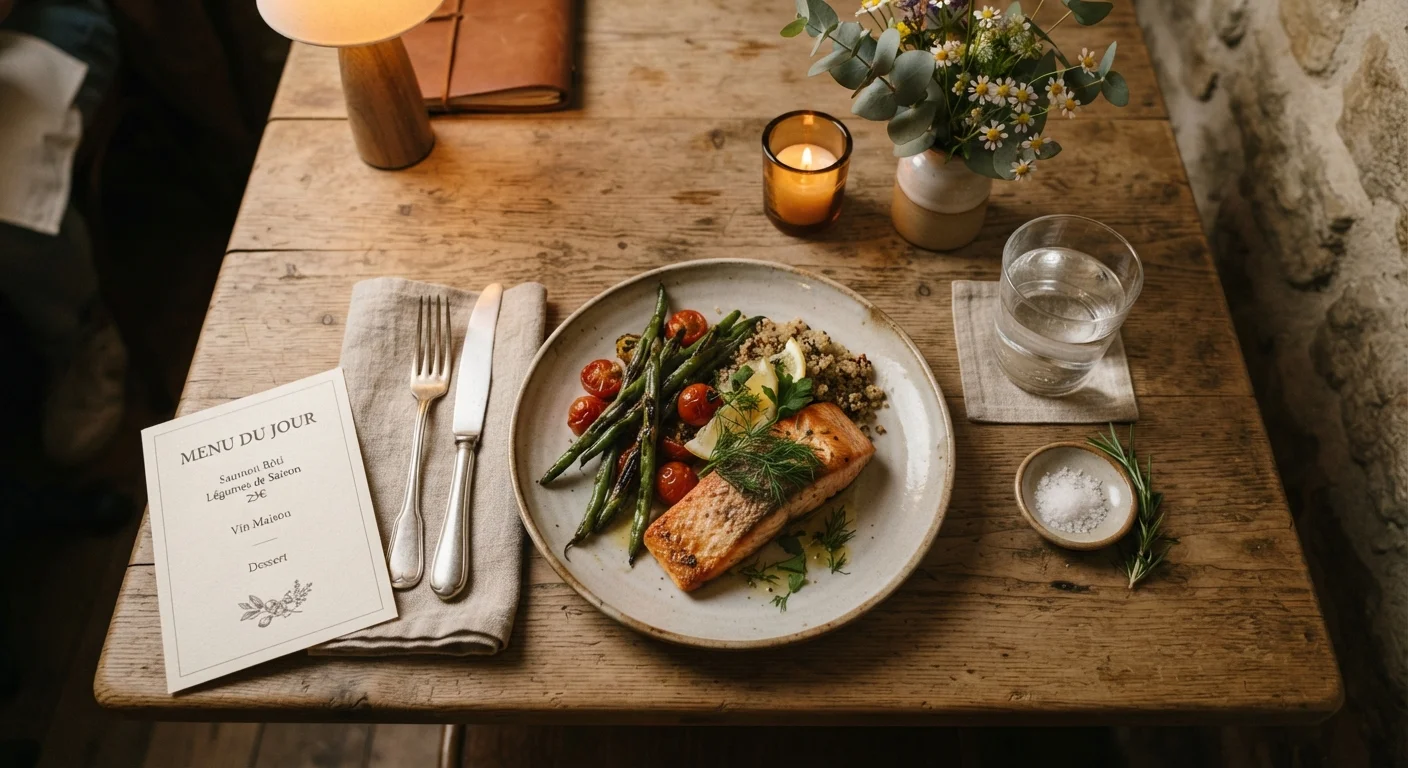
Photo credit: SkripTee.com | Search. Explore. Learn.
In this article
Smart ordering habits, timing strategies, and menu navigation techniques that help you eat well without overspending.
Key Takeaways
- Dining during off-peak hours often unlocks better prices and attentive service without sacrificing quality.
- Navigating menu structure strategically - starters, shareables, and specials - can stretch your spend significantly.
- Beverages and desserts are where restaurant margins are highest; knowing this helps you decide where to cut.
- Lunch menus at dinner-caliber restaurants offer the same kitchen and setting at a fraction of the cost.
- Preparation before you arrive - reviewing the menu and setting a spending ceiling - prevents impulse overspending.
Why Budget Dining Is About Strategy, Not Sacrifice
The assumption that a satisfying restaurant meal requires spending generously is largely a myth. What separates a memorable dining experience from a disappointing one has more to do with preparation, menu literacy, and timing than with how much ends up on the check. Understanding how restaurants price their menus - and how their kitchens operate - gives you real leverage as a diner.
For context on how dining formats affect your total spend, see our guide to prix fixe, à la carte, tasting menus, and buffets. And if you want to avoid the broader habits that quietly undermine a night out, this breakdown of common dining mistakes is worth reading before you book.
Choose lunch service over dinner at higher-quality restaurants
Lunch menus at dinner-caliber establishments use the same ingredients and kitchen talent at meaningfully lower price points. This is one of the most reliable ways to access quality dining without paying peak prices.
Build your meal from starters and sides rather than anchoring on a main
Smaller plates are typically priced with less markup than entrées and often allow greater variety. A well-chosen combination of two starters can be equally satisfying and more culinarily interesting than a single main course.
Skip or limit alcohol and high-margin beverages
Beverage markups - particularly wine by the glass and cocktails - are among the highest in restaurant economics. Reducing or eliminating alcohol is one of the fastest ways to lower your bill without affecting food quality.
Review the menu online before you arrive
Pre-visit menu review removes the cognitive pressure of making decisions while seated and hungry, reducing the likelihood of impulse ordering. It also lets you identify strong value options before the moment of choice.
Ask about daily specials before ordering and clarify pricing
Specials are sometimes genuine value offerings based on seasonal surplus or prep-cook efficiency - but not always. Clarifying price before ordering avoids a surprise on the bill.
Timing Your Visit to Your Advantage
When you dine matters as much as where. Many restaurants offer lunch menus that mirror their dinner service in quality but at 20-40% lower price points. A restaurant that feels out of reach on a Friday evening may be entirely accessible on a Tuesday at noon. The food comes from the same kitchen and the same cooks - the savings are structural, not a compromise.
Happy hour is another underused window. Many establishments offer reduced pricing on appetizers and select drinks during early evening hours, making it practical to build a satisfying meal from smaller plates. Sitting at the bar during these windows often comes with the added benefit of quicker, more engaged service.
Use Lunch as Your Fine Dining Window
If there's a restaurant you've been curious about but hesitant to try based on price, check whether they serve lunch. Many upscale and mid-range restaurants offer weekday lunch menus that provide genuine access to their kitchen at a lower entry point. It's a practical way to evaluate a restaurant before committing to a dinner reservation.
Reading the Menu With a Budget-Conscious Eye
Menus are designed with margin in mind. Beverages - particularly cocktails, wine by the glass, and soft drinks - carry some of the highest markups in the restaurant industry. Ordering water, choosing a single modest drink, or skipping alcohol altogether can reduce a bill by 25% or more without touching the food experience at all.
Shareables, starters, and side dishes often represent stronger value per dollar than entrées. Building a meal from two or three smaller plates can be more interesting - and more filling - than a single main. Understanding how courses are structured helps you compose a coherent, satisfying meal this way.
Up to 40%
Savings from lunch vs. dinner pricing
Industry analysts and restaurant operators consistently note that lunch menus at full-service restaurants are priced 20-40% below equivalent dinner offerings.
~300%
Typical markup on wine by the glass
Beverage alcohol is widely cited in restaurant trade literature as one of the highest-margin categories, with wine by the glass often marked up two to three times wholesale cost.
Daily specials are worth asking about, but treat them as a value signal rather than a guaranteed deal - sometimes specials carry premium pricing. The server can usually confirm whether a special is priced comparably to menu items.
Pre-Visit Habits That Protect Your Budget
Checking a menu online before you arrive is one of the most effective budget strategies available. It removes the pressure-driven impulse decisions that happen when you're seated, hungry, and scanning unfamiliar options. You can identify the dishes that interest you, note what they cost, and arrive with a loose plan.
Setting a personal spending ceiling before you go - including tip - anchors your choices without restricting your enjoyment. If you're dining with others, being upfront about budget expectations early prevents awkward bill-splitting moments later. For larger group meals, the logistics around splitting checks deserve advance thought; our guide on large group dining logistics covers the details most people overlook.
For a broader look at fitting dining out into your overall financial picture, this guide to saving on a tight budget offers complementary perspective.

Author
Food Editorial Team
Food Editorial Team is the collective byline for our editorial team and contributor network. Articles published under this byline or an editorial pen name are researched, written, and reviewed according to our editorial standards for clarity, consistency, and independence before publication.
View all articles →