
Why Your Restaurant Experience Keeps Falling Flat
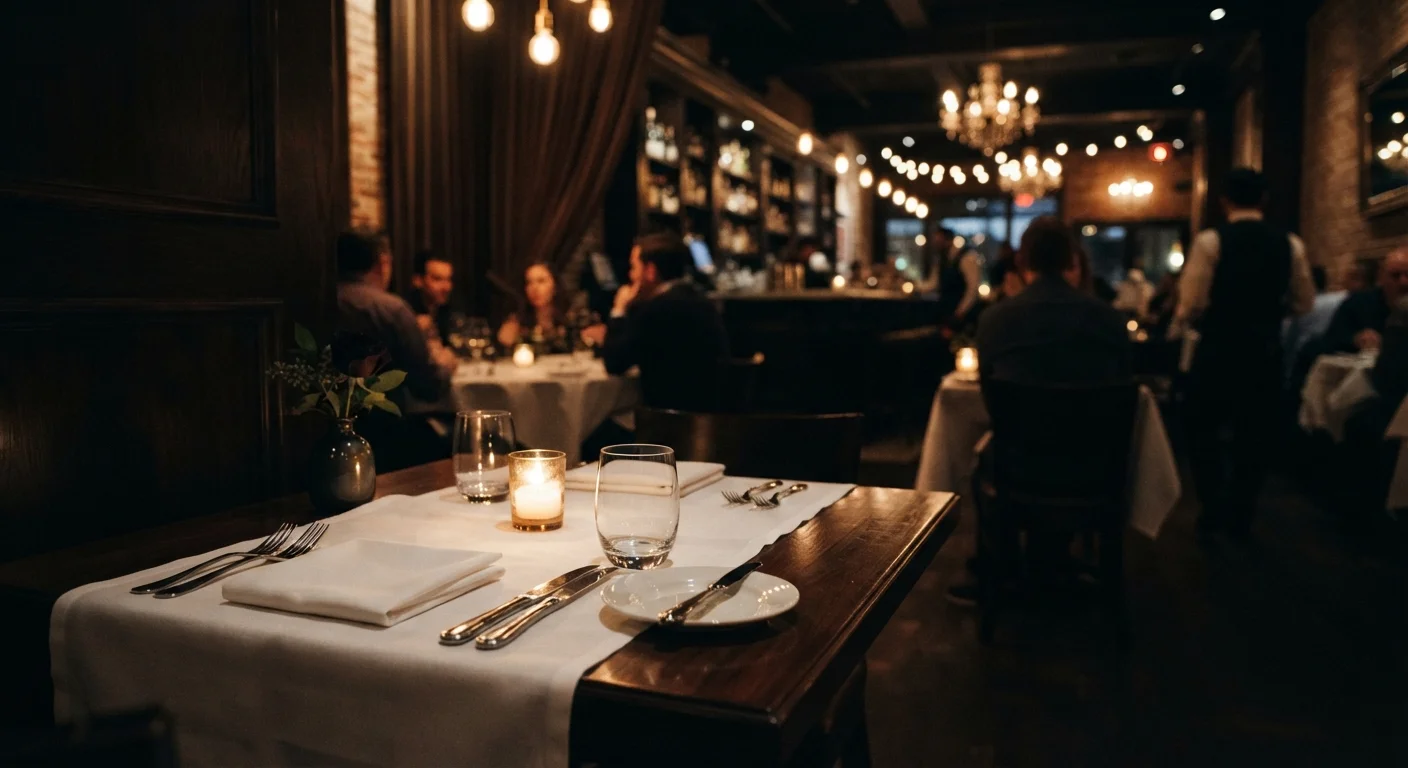
Photo credit: SkripTee.com | Search. Explore. Learn.
In this article
From booking at the wrong time to misreading the menu, these are the overlooked habits that quietly undermine a night out.
Key Takeaways
- Dining timing matters as much as destination - peak hours reliably degrade service quality.
- Ignoring menu signals like seasonal specials and dish complexity leads to ordering regret.
- Communicating dietary needs upfront, not mid-service, prevents avoidable kitchen errors.
- Relying solely on star ratings without reading review patterns skews expectations unfairly.
- Undercommunicating group size or occasion type leaves restaurants unable to serve you well.
The Gap Between Expectation and Experience
Most disappointing restaurant nights aren't caused by bad food or poor kitchens - they're the product of small, avoidable decisions made before the meal even begins. Diner habits around timing, research, ordering, and communication quietly shape whether a restaurant can actually perform at its best for you.
The good news is that these habits are easy to correct once you recognize them. The mistakes below reflect patterns that surface repeatedly across dining contexts, from casual neighborhood spots to more formal settings. Addressing even two or three of them substantially changes what you walk away with.
Visiting during peak service hours without a reservation and expecting full attention.
Why it happens: Diners underestimate demand on popular nights or assume availability is easy to gauge on arrival.
Treating a restaurant's star rating as the whole picture before visiting.
Why it happens: Aggregate scores are easy to scan, so diners default to them rather than reading the substance behind reviews.
Ordering from the menu without reading it as a document of the kitchen's actual strengths.
Why it happens: Diners gravitate toward familiar dishes or pick quickly under social pressure, bypassing the signals menus embed about what a kitchen does well.
Failing to disclose dietary restrictions or special occasions until seated or mid-service.
Why it happens: Diners feel awkward raising needs upfront or assume the kitchen can accommodate anything on the fly.
Underplanning group size, seating needs, and bill-splitting logistics for large parties.
Why it happens: Group organizers focus on picking the venue and assume logistics will sort themselves out on the night.
Making Smarter Choices Before You Even Sit Down
The decisions that most influence a restaurant experience happen days or hours before you arrive. Choosing when to go, how to book, and what you communicate in advance all shape how well a kitchen and service team can work in your favor.
Peak Hours Quietly Punish Unprepared Diners
Arriving at a restaurant during its busiest window - typically Friday and Saturday evenings between 7 and 9 p.m. - without a reservation or realistic expectations is a setup for frustration. Kitchen throughput is stretched, servers are managing multiple tables at capacity, and the margin for error shrinks considerably. If flexibility exists, mid-week evenings or early seatings consistently offer more attentive, less hurried service.
If budget is a genuine consideration, timing and menu literacy matter even more. Knowing how to navigate value without compromising the experience is a skill in itself - our piece on dining out on a tight budget covers the ordering and timing strategies that help.
And if, despite your best planning, a meal falls short of expectations, knowing how to raise the issue constructively - rather than absorbing the disappointment silently - gives you a meaningful path forward. See our guide on handling a disappointing restaurant meal gracefully for practical steps.
Dietary Restrictions Must Be Stated at Booking
Disclosing food allergies or serious dietary restrictions only after you're seated puts both you and the kitchen at a disadvantage. Many restaurants - especially smaller ones - need advance notice to source alternative ingredients or reroute preparation to avoid cross-contact. Always communicate critical dietary needs when making your reservation, not when ordering.
Small adjustments in how you approach restaurant dining tend to compound. Diners who plan timing thoughtfully, read menus carefully, and communicate clearly with staff consistently report more satisfying experiences - not because they're demanding more, but because they're giving restaurants the information they need to deliver.

Author
Food Editorial Team
Food Editorial Team is the collective byline for our editorial team and contributor network. Articles published under this byline or an editorial pen name are researched, written, and reviewed according to our editorial standards for clarity, consistency, and independence before publication.
View all articles →