
International Travel: A Complete Planning Resource from Passport to Return
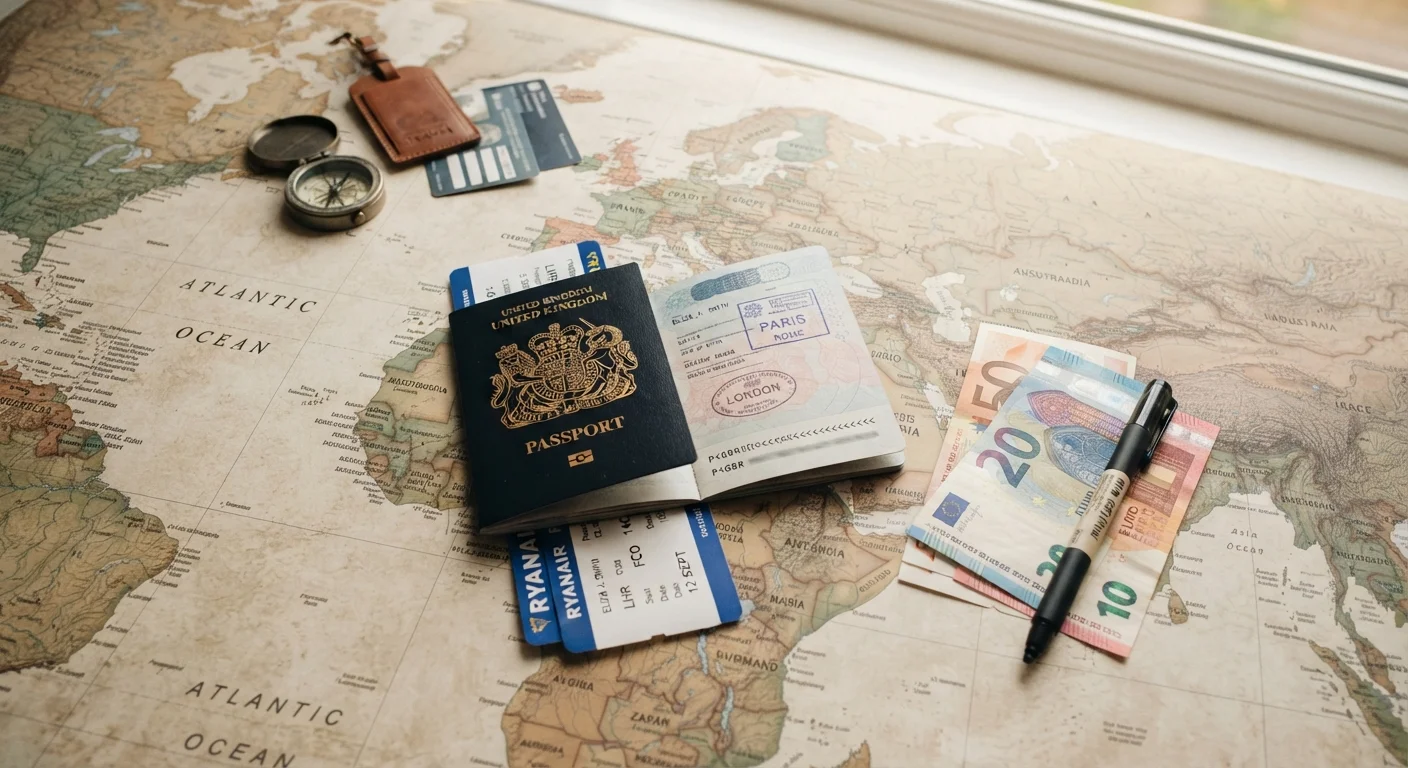
Photo credit: SkripTee.com | Search. Explore. Learn.
In this article
An authoritative end-to-end guide covering documentation, health prep, currency, safety, customs, and adapting to a new destination as a traveler.
Key Takeaways
- Passport validity requirements vary by country - many destinations require six months beyond your travel dates.
- Consult a travel medicine clinic at least four to six weeks before departure for destination-specific health guidance.
- Notify your bank before travel and carry multiple forms of payment to avoid being left without access to funds.
- Register with the U.S. State Department's STEP program so your embassy can reach you in an emergency.
- Customs declarations are legally required - undisclosed goods can result in fines or confiscation at the border.
- Cultural research before departure reduces friction and deepens the travel experience significantly.
Passports, Visas, and Entry Requirements
Documentation is the single most consequential element of international travel planning - get it wrong and you may not board your flight. Start with your passport: many countries require it to be valid for at least six months beyond your planned return date. Check your passport's expiration well ahead of departure, as U.S. passport processing times fluctuate and can stretch to several weeks or longer.
Visa requirements depend on your nationality and destination. Some countries offer visa-free or visa-on-arrival entry to U.S. passport holders; others require advance applications that may involve supporting documents, fees, and processing windows of several weeks. The U.S. Department of State's country information pages and the destination country's official embassy website are the authoritative sources - not travel forums or third-party aggregators.
Apply for or renew your passport earlier than you think necessary - aim for at least six months before your departure date to allow for processing delays and unexpected itinerary changes.
Passport agencies periodically experience backlogs, and travelers who wait until the last month frequently face either missed trips or costly expedited processing fees.
Photograph the front and back of every card in your wallet, your passport photo page, and your visa, then store the images in an encrypted cloud folder accessible from any device.
If documents are lost or stolen abroad, having digital copies significantly accelerates the emergency replacement process at a consulate and simplifies insurance claims.
If you're planning travel through multiple countries, sequencing matters. Our guide on planning a multi-country trip covers visa considerations across itineraries in detail. Always carry printed copies of your key documents and store digital backups securely in cloud storage.
Health Preparation Before You Fly
International travel can expose you to health conditions uncommon in the United States. A travel medicine clinic or your primary care physician can assess destination-specific risks and discuss relevant vaccinations or preventive measures. The U.S. Centers for Disease Control and Prevention (CDC) maintains destination health notices that are a useful starting point for research.
Aim to schedule your consultation at least four to six weeks before departure - some vaccine courses require multiple doses spaced over time. If you take prescription medications, carry an adequate supply plus a written prescription or doctor's note, particularly for medications that may require documentation at borders.
Standard U.S. Health Insurance Often Falls Short Abroad
Most domestic health plans provide limited or no coverage for medical treatment outside the United States. Emergency medical evacuation - airlifting a patient to adequate care - can cost $50,000 or more depending on location. Review your policy's international provisions carefully before departure and consider supplemental travel medical insurance that explicitly covers evacuation. Always keep your insurer's emergency line accessible offline.
Comprehensive travel health insurance is a separate but related concern. Standard U.S. health insurance frequently does not cover medical care abroad, and medical evacuation can cost tens of thousands of dollars out of pocket. Review your existing coverage carefully and consider supplemental travel insurance that includes emergency medical and evacuation provisions.
This section provides general travel health information only, not medical advice. Consult a qualified healthcare professional for guidance specific to your health history and destination.
Managing Money Abroad
Currency logistics trip up even experienced travelers. Before departure, notify your bank and credit card issuers of your travel dates and destinations - failing to do so can trigger fraud blocks that freeze your card at the worst moment. Carry at least two forms of payment (ideally from different networks) as a fallback.
$800
U.S. duty-free exemption per returning traveler
As established by U.S. Customs and Border Protection; items above this threshold may be subject to duty charges.
4-6 weeks
Recommended lead time for travel health consultation
Advised by the CDC to allow adequate time for vaccine courses and preventive medications to take effect before departure.
Level 1-4
U.S. State Department travel advisory scale
Advisories range from Level 1 (Exercise Normal Precautions) to Level 4 (Do Not Travel), updated based on current conditions.
Dynamic currency conversion, offered at many foreign ATMs and point-of-sale terminals, typically carries unfavorable exchange rates. When prompted to pay in your home currency, decline and choose the local currency instead - your card's network rate is almost always more favorable. Exchange a modest amount of local currency before departure for immediate needs like ground transportation upon arrival, since airport exchange counters often carry the least competitive rates.
Safety, Situational Awareness, and Emergency Preparedness
Safety abroad begins with information, not anxiety. The U.S. State Department issues travel advisories for every country on a four-level scale, and enrolling in the free Smart Traveler Enrollment Program (STEP) allows the nearest U.S. embassy or consulate to contact you during emergencies. This takes five minutes and can matter significantly in a crisis.
Situational awareness - being present and observant in your environment - is the foundational skill. For practical, experience-backed strategies on protecting your valuables and documents on the road, see our guide on keeping your belongings safe while traveling.
“The single most important thing a traveler can do is research the destination before arrival - not just the highlights, but the local laws, customs, and health landscape. Surprises at the border or in a foreign hospital are entirely avoidable with preparation.”
— U.S. State Department Bureau of Consular Affairs, Official guidance for U.S. citizens traveling abroad
Share your itinerary, accommodation addresses, and emergency contact information with someone at home before departure. Keep a separate note with the local emergency number (which varies by country), your travel insurer's claims line, and your bank's international collect number.
Clearing Customs and Returning Home
Customs declarations are a legal requirement, not a formality. U.S. Customs and Border Protection (CBP) requires travelers to declare all items acquired abroad, including gifts. The duty-free exemption for most returning U.S. residents is $800 per person, though specifics vary by circumstance - verify current rules on the CBP website before your return.
Undeclared Goods at Customs Carry Real Consequences
Failing to declare items - including agricultural products, gifts, or purchases - can result in item confiscation, fines, and in serious cases, delayed re-entry or legal action. U.S. Customs and Border Protection officers have broad authority to search luggage and question travelers. When uncertain whether something requires declaration, declare it: CBP agents can waive duty on items that don't exceed the exemption, but they cannot overlook concealment.
Certain items are prohibited or restricted from entry regardless of value: fresh fruits and vegetables, meats, certain plant materials, and some animal products. Biological items that seem harmless can carry agricultural pests or diseases, which is why enforcement is strict. Declare anything uncertain rather than risk confiscation and fines.
Keep receipts for significant purchases made abroad, as CBP officers may request them. Items purchased and left behind (consumed or gifted) generally do not need to be declared.
Adapting to Your Destination
Arriving prepared for local customs, norms, and practical realities transforms a trip from stressful to seamless. Research tipping conventions, dress codes for religious sites, acceptable photography etiquette, and local laws that may differ meaningfully from U.S. norms - some behaviors that are ordinary at home carry fines or legal consequences abroad.
Time zone adjustment starts before you land. Shifting your sleep schedule one to two days before departure and staying hydrated on long flights can reduce the severity of jet lag. Upon arrival, exposure to natural daylight helps reset your circadian rhythm faster than staying indoors.
For a structured approach to everything you'll need before leaving home, our smart traveler's packing checklist covers documents, clothing, tech, and health essentials in one place. And if you're building out a day-by-day plan, see the anatomy of a travel itinerary to ensure your schedule holds up under real-world conditions.

Author
Travel Editorial Team
Travel Editorial Team is the collective byline for our editorial team and contributor network. Articles published under this byline or an editorial pen name are researched, written, and reviewed according to our editorial standards for clarity, consistency, and independence before publication.
View all articles →