
Traveling Solo for the First Time: A Grounded Introduction
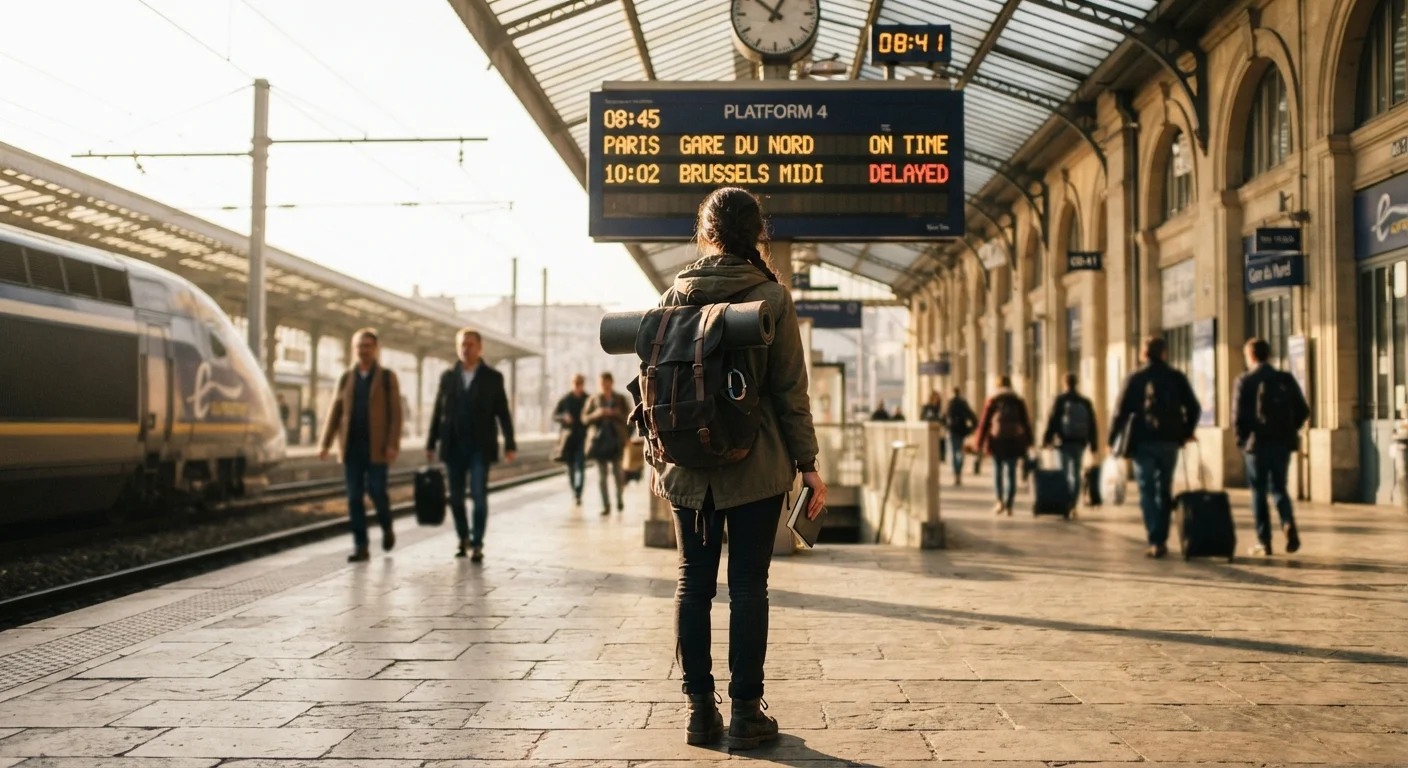
Photo credit: SkripTee.com | Search. Explore. Learn.
In this article
Everything a first-time solo traveler needs to know — from choosing a destination to staying safe, managing money, and building confidence on the road.
Key Takeaways
- Choosing a straightforward, traveler-friendly destination reduces first-timer stress significantly.
- Sharing your itinerary with a trusted contact at home is a simple but essential safety habit.
- Solo travel budgets require extra attention to single-supplement fees and emergency reserves.
- Confidence builds incrementally - small decisions on the road compound into real independence.
- Most experienced solo travelers emphasize flexibility over rigid planning as the key to enjoyment.
Why Solo Travel Is Worth Considering
Solo travel asks something real of you: the ability to make decisions, navigate uncertainty, and rely on your own judgment in unfamiliar places. That demand is also its reward. Travelers who go alone tend to report a sharper engagement with their surroundings, greater flexibility, and a kind of self-knowledge that group trips rarely produce.
None of that means solo travel is for everyone, or that it's always easy. It comes with genuine trade-offs - higher per-person costs, no built-in companion for shared experiences, and the full weight of logistics resting on you. Understanding both sides clearly is the right starting point. For those ready to explore further, our trip planning hub covers destination research, itinerary building, and logistics across every travel style.
Start Smaller Than You Think You Need To
Many first-time solo travelers benefit from a shorter, lower-stakes trip before committing to a long international journey. A long weekend in an unfamiliar domestic city lets you practice navigation, accommodation logistics, and independent decision-making without the complexity of border crossings or language barriers. Think of it as a practice run that pays off on every trip that follows.
Choosing Your First Destination Wisely
Your first solo trip is not the time to challenge yourself unnecessarily. The goal is to build a foundation of confidence, not to prove something. Destinations with reliable public transportation, accessible English-language support, and well-established tourism infrastructure reduce friction considerably when you're still learning how solo travel works.
Consider practical factors: visa requirements, health and vaccination recommendations, local safety conditions, and seasonal weather. Always verify entry requirements directly with official government sources - these change, and no travel article should be treated as a substitute for current official guidance.
Single supplement
An extra fee charged by hotels, cruises, or tour operators when a room or cabin is occupied by one person instead of two. It often adds 25-100% to the base rate.
Travel advisory
An official government assessment of safety and entry conditions for a specific destination. Advisories are issued by agencies like the U.S. State Department and should be checked before every international trip.
Travel insurance
A type of coverage that can reimburse travelers for cancellations, medical costs abroad, lost luggage, or other covered disruptions. Policy terms vary widely, so reading the details matters.
Itinerary
A planned outline of your trip, including dates, destinations, accommodation details, and transportation. Sharing it with someone at home is a core solo travel safety practice.
Visa
An official authorization, stamped or issued electronically, allowing entry into a foreign country. Requirements depend on your passport and the destination - always verify before traveling.
If you're drawn to international destinations, our complete international travel planning resource covers documentation, health prep, currency, and customs from start to finish.
Planning, Safety, and Staying Grounded
Effective solo trip planning is about coverage, not control. Confirm your first night's accommodation before arrival, book any time-sensitive transportation in advance, and have a clear understanding of how you'll get from the airport or station to where you're staying. Beyond that, flexibility serves you better than a minute-by-minute schedule.
Safety habits matter and are easy to implement. Share your itinerary - accommodation names, key dates, planned routes - with at least one trusted person at home. Check in with them at regular intervals. Keep digital and physical copies of your passport and travel insurance details stored separately. Situational awareness in unfamiliar environments is a skill worth developing early; our guide on keeping your belongings safe while traveling covers practical approaches in detail.
Don't Skip Travel Insurance
Medical care abroad can be expensive, and flight disruptions happen without warning. Traveling without insurance means absorbing those costs entirely on your own. Research policies before your trip, confirm what is covered, and keep your policy documents accessible - not just saved somewhere you can't reach without Wi-Fi.
Managing Money on Your Own
Solo travel budgeting has one rule that catches many first-timers off guard: you pay full price for everything. The single-supplement fee - charged by hotels and some tour operators for solo occupancy - is standard and can add meaningfully to accommodation costs. Factor this in from the beginning rather than treating it as a surprise.
Carry more than one payment method: a debit card with low international fees, a backup card kept separately, and a modest amount of local currency for situations where cards aren't accepted. Build a contingency buffer into your budget - unexpected costs like flight rebooking, medical attention, or lost items are not hypothetical on longer trips. Travel insurance is worth researching seriously before any solo international trip; consult the terms carefully and confirm what is and isn't covered.
For those navigating independent living logistics for the first time more broadly, our article on what nobody tells first-time renters offers grounded, practical guidance on managing responsibility independently.
Building Confidence as You Go
Confidence in solo travel accumulates through action, not preparation alone. Each small decision - navigating a transit system, ordering in a different language, finding your way after a wrong turn - compounds. By the third or fourth day of most first solo trips, the anxiety that felt significant at departure has typically receded into competence.
Give yourself permission to have an imperfect trip. Plans change, delays happen, and some experiences won't match expectations. The ability to adapt without panic is the most transferable skill solo travel develops, and it's one that improves every time you use it.
When you're ready to move beyond basics, our guide on smart habits experienced travelers build into every trip offers the next layer of practical insight - from document backups to building buffer days into itineraries. And for those ready to structure a full trip from scratch, a ground-up solo trip planning framework walks through every stage in detail.
Solo Doesn't Mean Isolated
Solo travel gives you the option to be alone - it doesn't require it. Many solo travelers find they connect with more people, not fewer, because they're more approachable and more open to unplanned conversations. Hostels, group tours, and local events all offer easy entry points for social connection when you want it.
Frequently Asked Questions

Author
Travel Editorial Team
Travel Editorial Team is the collective byline for our editorial team and contributor network. Articles published under this byline or an editorial pen name are researched, written, and reviewed according to our editorial standards for clarity, consistency, and independence before publication.
View all articles →