
Travelling During Peak Season vs. Shoulder Season: A Practical Trade-Off Guide
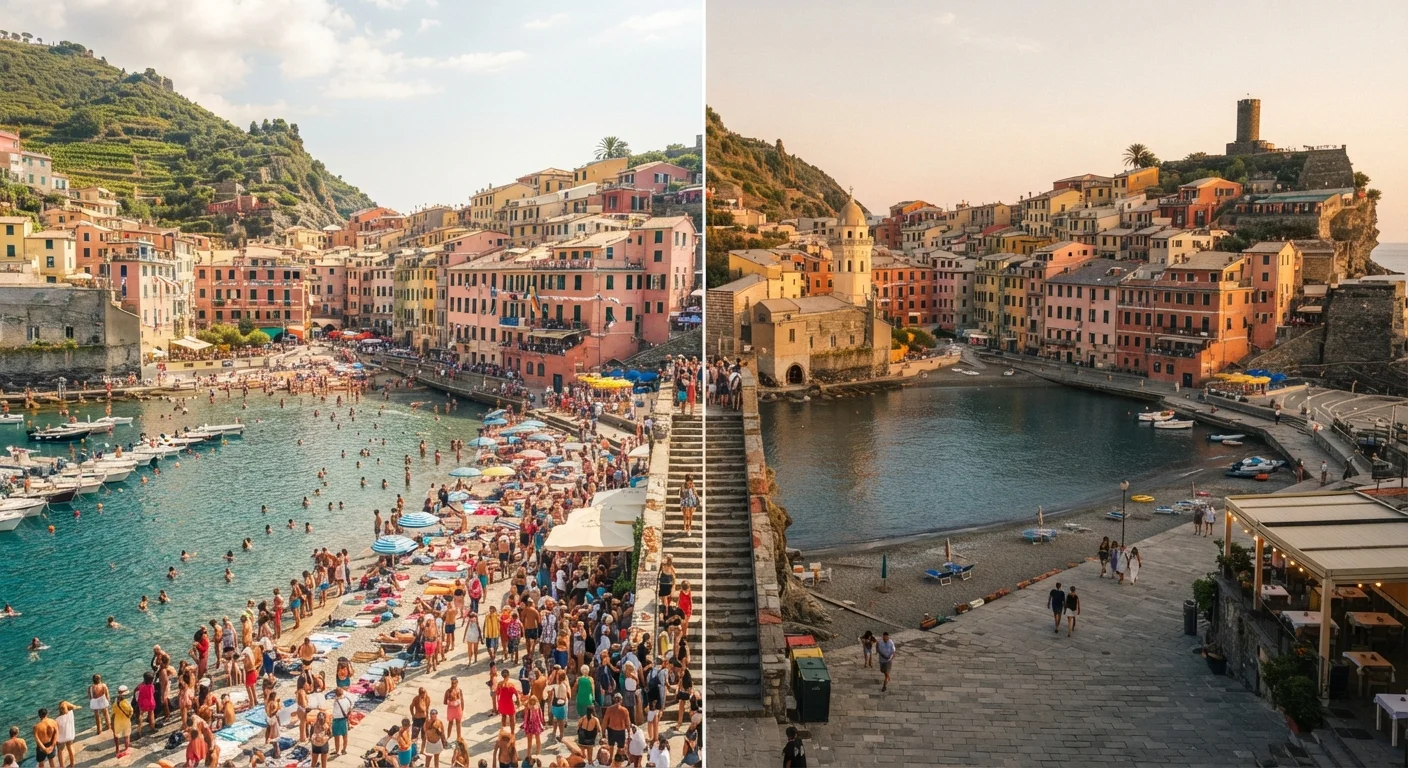
Photo credit: SkripTee.com | Search. Explore. Learn.
In this article
Crowds, costs, weather, and availability all shift between seasons. Understand the real trade-offs before choosing when to go.
Key Takeaways
- Peak season offers ideal weather and full attraction access but comes with higher costs and larger crowds.
- Shoulder season typically delivers meaningful savings on flights and accommodation without drastically compromised conditions.
- The right season depends on your priorities - budget, comfort, flexibility, and destination-specific factors all matter.
- Booking timing strategies differ significantly between peak and shoulder travel windows.
- Some destinations have inverted peak seasons, making general rules unreliable without destination research.
Best weather and longest daylight hours
Peak season typically aligns with the most reliable weather for a destination, whether that's clear Mediterranean summers or consistent ski conditions in winter. This matters most for outdoor-focused trips where weather directly shapes the experience.
All attractions and services fully operational
Restaurants, tours, museums, and transport links are all running at full capacity during peak season. Some seasonal businesses or remote services may only open during this window.
Vibrant atmosphere and energy at popular sites
Markets, cultural events, and local celebrations often concentrate around peak periods, giving destinations a lively character that quieter seasons don't replicate.
Predictable conditions for planning purposes
When you know a destination's peak season, you can plan around known, consistent conditions - making it easier to set expectations and coordinate complex itineraries.
Noticeably lower prices on flights and hotels
Accommodation and airfare commonly drop during shoulder periods compared to peak rates, though the degree varies significantly by destination and how closely shoulder falls to the high season.
Fewer crowds at popular sites and attractions
Shorter queues, better photo opportunities, and a more relaxed pace at landmarks and museums make shoulder season appealing for travelers who find crowding disruptive.
Easier access to reservations and bookings
Restaurants, tours, and sought-after accommodation that would be fully booked in peak season often have availability during shoulder periods, sometimes at short notice.
Weather is often still very acceptable
For many popular destinations, shoulder season weather is only marginally cooler or wetter than peak - a trade-off most travelers consider worthwhile given the other benefits.
More authentic local experience
When visitor volumes drop, destinations return closer to their everyday rhythm. Interactions with locals, access to neighborhood spots, and the general atmosphere shift noticeably away from tourist-season mode.
What Peak and Shoulder Seasons Actually Mean
Travel seasons aren't uniform - they vary by destination, climate zone, and traveler demand. That said, a few working definitions help frame the trade-off.
Peak season is the period when a destination experiences its highest visitor volume. For most beach and European destinations, that aligns with summer months (June-August). Ski resorts peak in winter. Some cities spike around major holidays or festivals. During peak season, prices are highest, accommodation books out quickly, and popular sites are busiest.
Shoulder season falls just before or after peak - typically spring and autumn for warm-weather destinations. Visitor numbers drop, but conditions are often still favorable. Prices generally moderate, availability opens up, and the overall experience becomes less crowded without being dramatically worse.
Off-season (sometimes called low season) is distinct from shoulder - it usually means genuinely difficult conditions: monsoon rains, extreme cold, many closures, or reduced transport links. This guide focuses specifically on the peak-versus-shoulder trade-off, not the more extreme off-season calculus.
Shoulder Season Varies by Destination
The concept of shoulder season is destination-specific and doesn't map neatly onto calendar months. Some destinations have inverted or unusual peaks - ski resorts peak in winter, and tropical beach destinations may have a 'peak' dry season outside of summer. Before making timing decisions, research the specific climate, event calendar, and demand patterns for your destination. Official tourism boards and reputable travel publications are useful starting points for this kind of research.
Understanding your destination's specific seasonal patterns matters more than applying generic rules. A Caribbean island's shoulder season, for instance, may overlap with Atlantic hurricane season - a detail worth researching well before booking. See our Caribbean vs Mediterranean cruise comparison for a sense of how regional seasonality can shift priorities.
The Case for Travelling During Peak Season
Peak season exists for a reason: conditions are genuinely at their best for many destinations. Here's where it earns its premium.
Best weather and longest daylight hours
Peak season typically aligns with the most reliable weather for a destination, whether that's clear Mediterranean summers or consistent ski conditions in winter. This matters most for outdoor-focused trips where weather directly shapes the experience.
All attractions and services fully operational
Restaurants, tours, museums, and transport links are all running at full capacity during peak season. Some seasonal businesses or remote services may only open during this window.
Vibrant atmosphere and energy at popular sites
Markets, cultural events, and local celebrations often concentrate around peak periods, giving destinations a lively character that quieter seasons don't replicate.
Predictable conditions for planning purposes
When you know a destination's peak season, you can plan around known, consistent conditions - making it easier to set expectations and coordinate complex itineraries.
Peak season is also worth considering if your travel dates are constrained by school holidays, work schedules, or family coordination. If everyone in your group is only free in July, the shoulder-season debate becomes largely academic. Similarly, some events - major festivals, cultural celebrations, seasonal openings - only occur at peak times and cannot be replicated by visiting a few weeks earlier.
For travelers with limited flexibility, planning well in advance is essential. Booking windows vary considerably by trip type, and peak-season accommodation at popular destinations can sell out months ahead.
The Case for Shoulder Season Travel
Shoulder season has become increasingly popular among experienced travelers - and for sound reasons.
Noticeably lower prices on flights and hotels
Accommodation and airfare commonly drop during shoulder periods compared to peak rates, though the degree varies significantly by destination and how closely shoulder falls to the high season.
Fewer crowds at popular sites and attractions
Shorter queues, better photo opportunities, and a more relaxed pace at landmarks and museums make shoulder season appealing for travelers who find crowding disruptive.
Easier access to reservations and bookings
Restaurants, tours, and sought-after accommodation that would be fully booked in peak season often have availability during shoulder periods, sometimes at short notice.
Weather is often still very acceptable
For many popular destinations, shoulder season weather is only marginally cooler or wetter than peak - a trade-off most travelers consider worthwhile given the other benefits.
More authentic local experience
When visitor volumes drop, destinations return closer to their everyday rhythm. Interactions with locals, access to neighborhood spots, and the general atmosphere shift noticeably away from tourist-season mode.
The cost differential between peak and shoulder season is one of the most tangible benefits. Flights, hotels, and even tour pricing frequently decrease during shoulder periods. Combined with reduced competition for reservations, shoulder season can allow travelers to access higher-quality accommodation or experiences within the same budget. This connects directly to how you structure your overall trip finances - see our trip budgeting guide for a practical framework.
Shoulder season also tends to suit slower travel styles well - when crowds thin out, spending more time in fewer places becomes far more pleasant. Booking flights during shoulder periods also changes the timing equation; early vs. late booking trade-offs shift when demand patterns are less rigid.
Key Factors to Weigh Before Choosing
Beyond the general pros and cons, a few specific variables often determine which season actually fits your trip.
20-40%
Typical hotel savings in shoulder vs. peak
Industry data from travel research organizations generally indicates accommodation costs drop by this range during shoulder periods at popular leisure destinations, though exact figures vary widely by location and property type.
2-4 weeks
Typical shoulder season window either side of peak
Most destinations have a gradual transition period before and after peak season where conditions remain reasonable but visitor volumes and pricing start to shift noticeably.
- Destination sensitivity: Some places (Venice, Machu Picchu, Santorini) are genuinely overwhelmed during peak season. Others handle volume well and don't degrade meaningfully. Research how crowding actually affects the experience at your specific destination.
- Travel party composition: Families with school-age children often have no choice but to travel during peak periods. Solo travelers and couples typically have more flexibility.
- Type of experience sought: If your trip centers on hiking, wildlife watching, or outdoor exploration, weather windows may override cost considerations. If it's a city-focused cultural trip, moderate off-peak weather is rarely a dealbreaker.
- Booking strategy: Shoulder season travelers benefit from more flexible booking windows, while peak season demands early commitment. Common assumptions about flight pricing - like specific booking days being cheaper - often don't hold up, as popular timing myths reveal.
- Group dynamics: If you're traveling with others, aligning schedules and preferences adds complexity. Group vs. independent travel structures interact with seasonal choice in meaningful ways.
For multi-destination itineraries, seasonal variation across countries adds another layer. Sequencing a multi-country route thoughtfully can mean passing through each destination during its own shoulder window - a strategy worth considering when planning longer trips.

Author
Travel Editorial Team
Travel Editorial Team is the collective byline for our editorial team and contributor network. Articles published under this byline or an editorial pen name are researched, written, and reviewed according to our editorial standards for clarity, consistency, and independence before publication.
View all articles →