
The Anatomy of a Wine Label
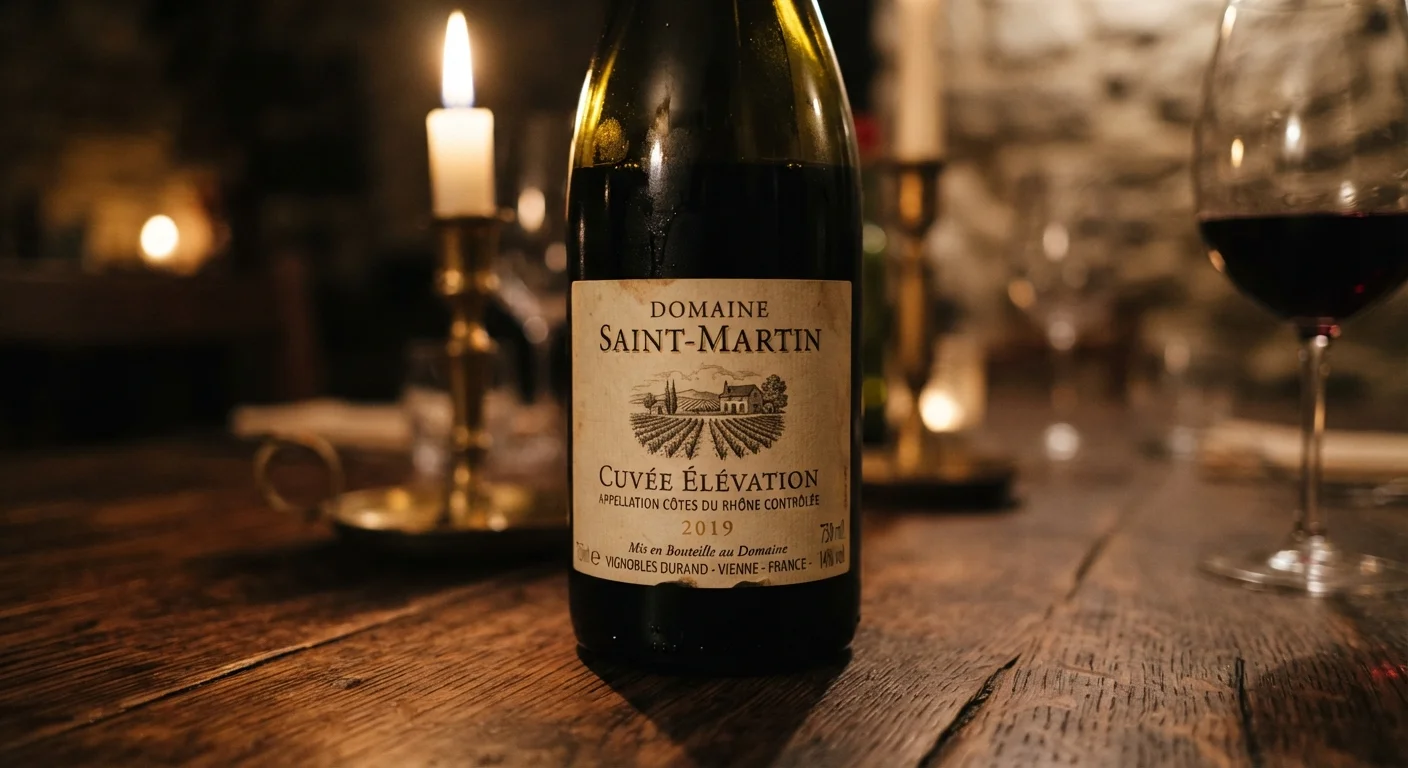
Photo credit: SkripTee.com | Search. Explore. Learn.
In this article
Grape variety, region, vintage, ABV — wine labels carry more information than most people realise. Here's how to decode them.
Key Takeaways
- Wine labels communicate grape variety, region, vintage, producer, and alcohol content in a compact format.
- Old World labels (Europe) typically lead with place; New World labels usually feature the grape variety front and center.
- Vintage year reflects the harvest season, which influences flavor, structure, and aging potential.
- ABV (alcohol by volume) is federally required on U.S. wine labels and signals the wine's body and heat.
- Back labels often carry the most practical guidance, including tasting notes, serving suggestions, and winemaking details.
Why Wine Labels Feel Confusing - and How to Fix That
Walk down any wine aisle and you'll encounter labels ranging from minimalist black-and-white text to elaborate crests and hand-drawn illustrations. That visual diversity isn't random - it reflects genuine differences in winemaking culture, regional regulation, and marketing convention. The confusion most consumers feel isn't a knowledge gap so much as a framework gap. Once you understand the basic architecture of a wine label, the information clicks into place quickly.
Think of decoding a wine label as a close cousin to reading a nutrition label - both require knowing which elements to prioritize and what the required fields actually mean in practice.
What you will need
The Core Elements Found on Every Label
Regardless of where a wine is produced, a well-regulated label will carry five foundational pieces of information. Understanding each one gives you a complete picture of what's in the bottle.
Identify the Producer or Estate Name
The largest or most prominent text on the front label usually belongs to the producer - the winery, château, domaine, or estate. This is the brand identity and your first anchor point. On European labels, the producer name may appear above a regional appellation; on New World labels, it typically sits above the grape variety.
Locate the Grape Variety (Varietal)
New World labels name the grape prominently - Cabernet Sauvignon, Riesling, Malbec. Old World labels often omit it, relying on the appellation to imply the grape. If the variety isn't listed, the region is your clue: Chablis means Chardonnay; Côtes du Rhône red typically means a Grenache-dominant blend. A basic reference guide or wine app can map common regions to their permitted grapes.
Read the Appellation or Region
The appellation indicates where the grapes were grown. Designations range from broad ("California") to highly specific ("Napa Valley," "Rutherford"). Tighter, more specific appellations generally carry stricter production rules and signal more precise terroir - the combination of soil, climate, and geography that shapes a wine's character. In Europe, appellations such as AOC (France), DOC/DOCG (Italy), and DO/DOCa (Spain) are governed by law.
Note the Vintage Year
The vintage is the year the grapes were harvested - not the year the wine was bottled or released. Climate conditions vary year to year, meaning vintages from the same producer and appellation can taste noticeably different. For everyday drinking wines, vintage matters less; for age-worthy bottles or cellar planning, it's a meaningful data point. Non-vintage (NV) wines, common in Champagne and sparkling wine, blend harvests from multiple years for consistency.
Check the Alcohol by Volume (ABV)
ABV is expressed as a percentage and tells you how much of the wine's volume is pure alcohol. Light-bodied whites and sparkling wines typically range from 11-12.5%; full-bodied reds and late-harvest dessert wines can reach 14-16%. Higher ABV generally means a fuller body and more noticeable "heat" on the palate. This figure also directly affects calorie content per glass.
Use the Label as a Shopping Shortcut
Once you find a wine you enjoy, photograph the label before you leave the store or restaurant. The producer name, appellation, and vintage together form a precise reference point. Next time, you can ask a wine shop staff member for the same wine or explore neighboring appellations from the same producer.
Old World vs. New World Label Logic
One of the most useful mental models for reading wine labels is the Old World / New World distinction. Old World wines - those from France, Italy, Spain, Germany, and other traditional European regions - tend to lead with place. A bottle labeled "Burgundy" or "Chianti Classico" tells you the region first; the grape variety is either implied by regional convention or listed secondarily. Consumers are expected to know, for example, that red Burgundy is made from Pinot Noir.
New World wines - from the United States, Australia, Chile, South Africa, and similar regions - typically lead with grape variety. "California Chardonnay" or "Oregon Pinot Gris" puts the grape front and center, which is more immediately accessible for consumers who shop by varietal preference.
Neither approach is superior; they reflect different relationships between wine culture and consumer literacy. If you plan to order in a restaurant setting, see our guide to navigating a wine list for how this distinction plays out in practice.
"Reserve" Has No Universal Legal Meaning in the U.S.
Terms like "Reserve," "Grand Reserve," or "Winemaker's Selection" are not legally defined under U.S. federal regulations and can be used at a producer's discretion. In some European countries - Spain's Reserva and Gran Reserva, for example - these terms carry specific legal aging requirements. Always consider the wine's origin when evaluating such claims.
The Back Label: Where Practical Information Lives
Front labels attract attention; back labels deliver utility. U.S. federal requirements mandate that the back label (or front, if space allows) include the bottler's name and address, net contents, sulfite disclosure, and the government health warning. Beyond those legal minimums, most producers voluntarily include tasting notes, food pairing suggestions, serving temperature guidance, and sometimes a brief description of winemaking technique.
For wines described as "natural," "organic," or "biodynamic," the back label is where certification seals and production method details typically appear. The term "natural wine" in particular carries no legal definition in the U.S. - for a full breakdown of what those claims actually mean, see what "natural wine" actually means.
One number always worth locating: the ABV percentage. U.S. regulations allow a tolerance of ±1.5% for wines under 14% ABV and ±1% above that threshold, meaning the stated figure is an approximation. For a deeper look at how alcohol strength is measured and why it affects everything from calorie content to how a wine feels in the glass, see our explainer on what ABV numbers tell you.

Author
Food Editorial Team
Food Editorial Team is the collective byline for our editorial team and contributor network. Articles published under this byline or an editorial pen name are researched, written, and reviewed according to our editorial standards for clarity, consistency, and independence before publication.
View all articles →