
Carry-On vs. Checked Luggage: Choosing the Right Strategy for Your Trip
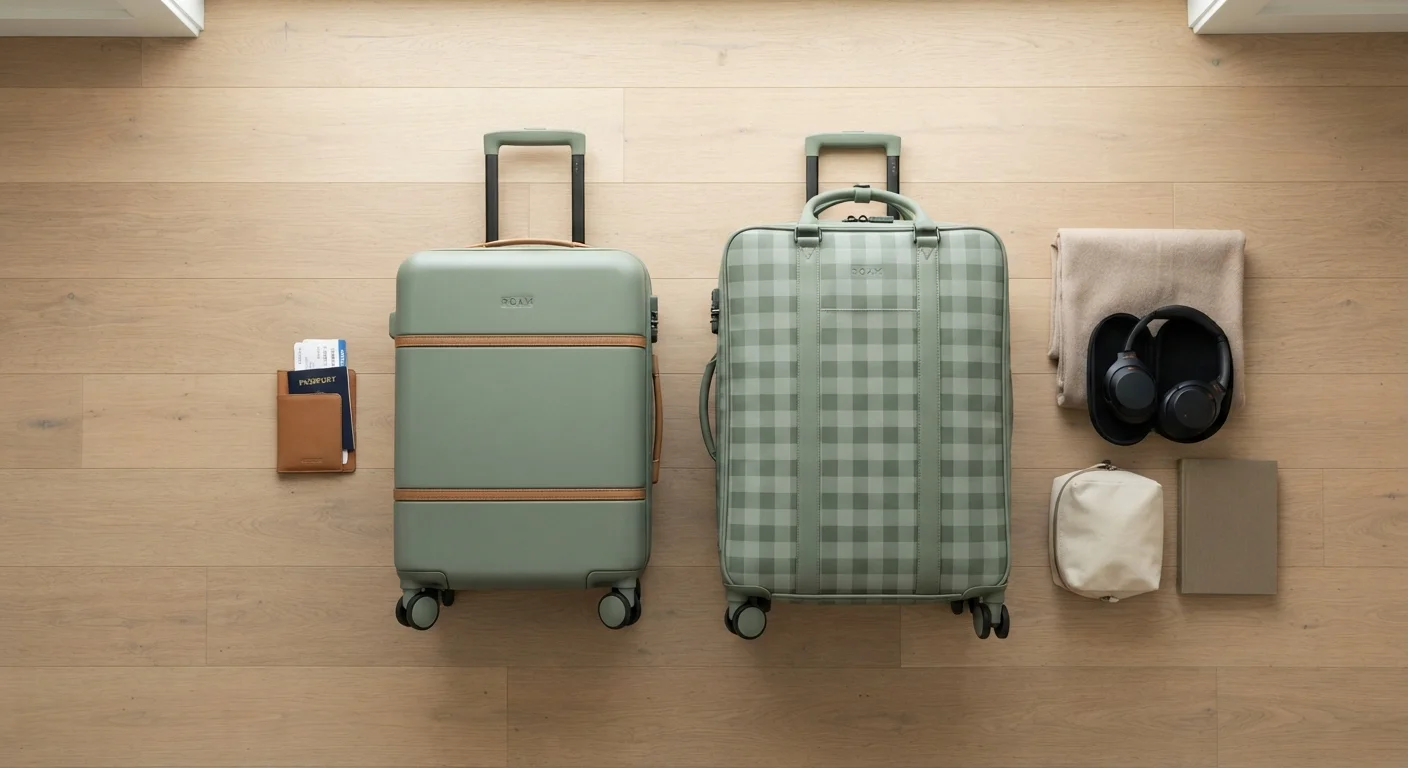
Photo credit: SkripTee.com | Search. Explore. Learn.
In this article
Weigh the trade-offs between carry-on and checked baggage to decide which approach suits your destination, trip length, and travel style.
Key Takeaways
- Carry-on travel saves time at airports but demands strict packing discipline and TSA liquid compliance.
- Checked bags offer generous space and fewer packing restrictions, though fees and wait times add up.
- Trip length, destination type, and your airline's size rules should drive your luggage decision.
- Hybrid strategies - carry-on plus a personal item - can bridge the gap on many trips.
- Lost or delayed checked bags remain a genuine risk; keep valuables and medications in your carry-on regardless.
The Core Trade-Off: Speed vs. Space
Every luggage decision comes down to a fundamental tension: how much are you willing to carry versus how much time and money are you willing to spend? Carry-on travel rewards discipline - pack within the limits and you bypass check-in queues, baggage fees, and the carousel wait on arrival. Checked luggage rewards flexibility - you can pack for any climate, any dress code, and any activity without agonizing over every item.
Neither approach is universally superior. The right choice depends on your specific trip, airline, and travel priorities. Understanding where each strategy genuinely wins helps you avoid the most common packing regret: realizing mid-trip you chose wrong.
For a deeper dive into building a smarter packing list regardless of which bag you choose, see our Smart Traveler's Packing Checklist.
| Criterion | Carry-On | Checked Luggage |
|---|---|---|
| Typical bag fee | Usually free (fare class dependent) | $30-$40+ per bag, per way |
| Size/weight limits | Strict - varies by airline | Generous - typically 50 lbs |
| Liquids restriction | Yes - TSA 3-1-1 rule applies | No restriction on liquids |
| Risk of loss or delay | Minimal - stays with you | Present - mishandling does occur |
| Airport time on arrival | Fast - no baggage claim | 20-40 minutes at carousel |
| Suitable for trips over 10 days | Challenging without compromises | Well-suited |
| Specialty gear (skis, strollers) | Not possible | Accommodated with airline notice |
When Carry-On Travel Works - and When It Doesn't
Carry-on bags shine on short domestic flights, budget airline trips where checked fees are steep, and any itinerary where you're moving between cities frequently. Reaching your hotel within minutes of landing - no waiting, no claim tickets - is a genuine quality-of-life improvement that frequent travelers consistently cite as a top benefit.
The constraints are real, though. TSA's 3-1-1 liquids rule limits toiletries to 3.4-ounce containers in a single quart-sized bag. Overhead bin space isn't guaranteed, especially on full flights or small regional aircraft where gate-checking becomes mandatory anyway. Size limits also vary meaningfully by airline - what fits on one carrier may be rejected at the gate by another, particularly on international or budget carriers with stricter enforcement.
~2.9M
Mishandled bags reported in the US annually
According to US Department of Transportation Air Travel Consumer Reports, millions of bags are delayed, damaged, or lost each year across major US carriers.
$30-$40
Typical one-way checked bag fee
Most major US airlines charge per-bag fees each direction; costs accumulate quickly on round-trip or multi-leg itineraries.
If packing light is your goal, our guide on packing light without leaving essentials behind covers proven techniques for making a carry-on work harder for you.
When Checked Luggage Makes More Sense
Checked bags become the logical choice when your destination demands it. A two-week international trip, a skiing holiday, a cruise requiring formal attire, or a family vacation with a toddler in tow - these scenarios introduce packing requirements that carry-on limits simply can't accommodate without painful compromises.
On cruise vacations, for example, passengers frequently need clothing for multiple dress codes, excursion gear for varying climates, and enough supplies to last a week or more at sea. Fitting that into a single carry-on is possible but rarely practical.
The main drawbacks of checked baggage are real and worth planning around. Fees typically range from $30-$40 per bag each way on major US carriers, though policies vary and change. More consequentially, the US Department of Transportation receives tens of thousands of mishandled baggage reports annually - delays and misdirected bags remain a consistent traveler frustration. The mitigation: always keep medications, travel documents, and any irreplaceable valuables in your carry-on, regardless of what else goes below. See our guidance on keeping your belongings safe while traveling for practical strategies.
Hybrid Strategies and Final Considerations
Many experienced travelers land on a hybrid approach: a carry-on suitcase paired with a personal item (backpack or tote) that slides under the seat. This combination maximizes storage within carry-on rules while keeping everything accessible. For slightly longer trips, a soft-sided personal item can absorb the overflow that would otherwise push you into checked-bag territory.
Before booking, always verify the specific size and weight limits for your airline and fare class - basic economy tickets on many carriers now restrict even carry-on allowances. International itineraries may involve multiple carriers with different rules on the same trip.
Overpacking is one of the most common reasons travelers end up checking a bag they didn't plan to. Understanding the psychological triggers behind that habit is worthwhile - our article on why travelers overpack and what to do instead addresses this directly. And if you're still in the trip planning stage, locking in your luggage strategy early shapes everything from your packing list to your airport arrival time.
Airlines Can Gate-Check Your Carry-On
On full flights or smaller regional aircraft, gate agents may require passengers to check their carry-on at no charge - but this means your bag goes into the hold anyway. If your carry-on contains items you can't afford to lose access to (medications, electronics, documents), always transfer those to your personal item before boarding. Policies and aircraft types vary by route, so it's worth researching your specific plane before travel.

Author
Travel Editorial Team
Travel Editorial Team is the collective byline for our editorial team and contributor network. Articles published under this byline or an editorial pen name are researched, written, and reviewed according to our editorial standards for clarity, consistency, and independence before publication.
View all articles →